
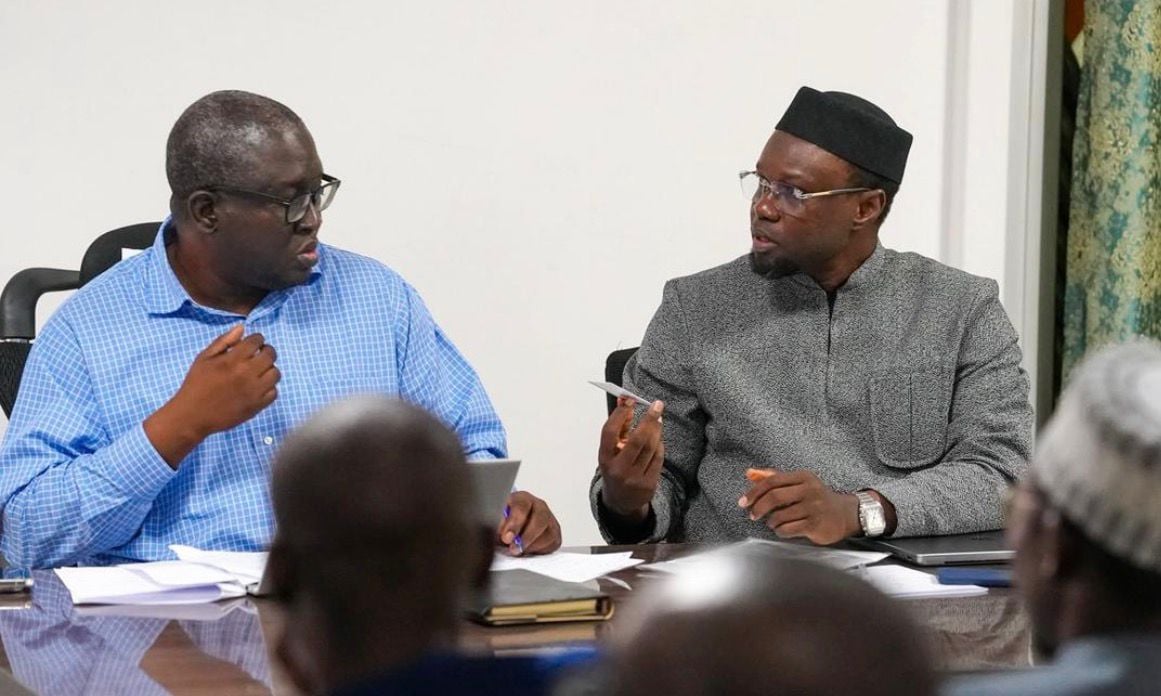
Political fractures emerge within Pastef amid Senegal’s approaching local elections
As Senegal gears up for the crucial 2027 territorial elections, deepening internal divisions within the Pastef movement are casting a shadow over its unity. The escalating power struggles among key figures—particularly in Dakar—signal rising instability that could undermine the party’s influence across multiple local authorities.
Rivalries threaten party cohesion ahead of 2027 vote
With less than a year to go before voters head to the polls, Pastef’s internal dynamics are becoming increasingly volatile. The competition for influence isn’t just confined to the capital; it’s spreading across the country, exposing cracks in the party’s structure. Leaders who once stood united behind Ousmane Sonko now find themselves locked in strategic disputes, raising concerns about the party’s ability to present a cohesive front in the upcoming elections.
What’s at stake for Senegal’s opposition movement
The growing discontent within Pastef isn’t just about personalities—it reflects broader questions about the party’s direction. Members are grappling with differing visions for how to challenge the ruling party, with some advocating for a more confrontational approach while others push for strategic alliances. These debates are putting Ousmane Sonko, the party’s founder, in a precarious position as he tries to mediate between factions.
If these tensions aren’t resolved, Pastef risks losing ground in key regions where its support has traditionally been strong. The party’s ability to mobilize voters and present a united front will be critical in determining whether it can capitalize on the growing dissatisfaction with the current administration.
Will unity prevail or will fractures deepen?
The clock is ticking, and the pressure is mounting. With the 2027 elections looming, Pastef faces a defining moment. Will its leaders find common ground, or will the infighting derail their ambitions? One thing is clear: the outcome of these internal battles will shape Senegal’s political landscape in the years to come.