
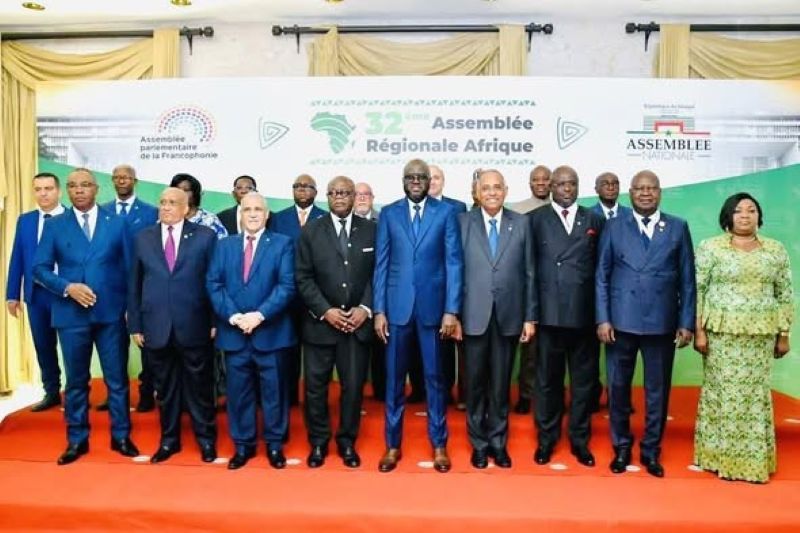
Dakar reshapes African Francophonie with bold political vision
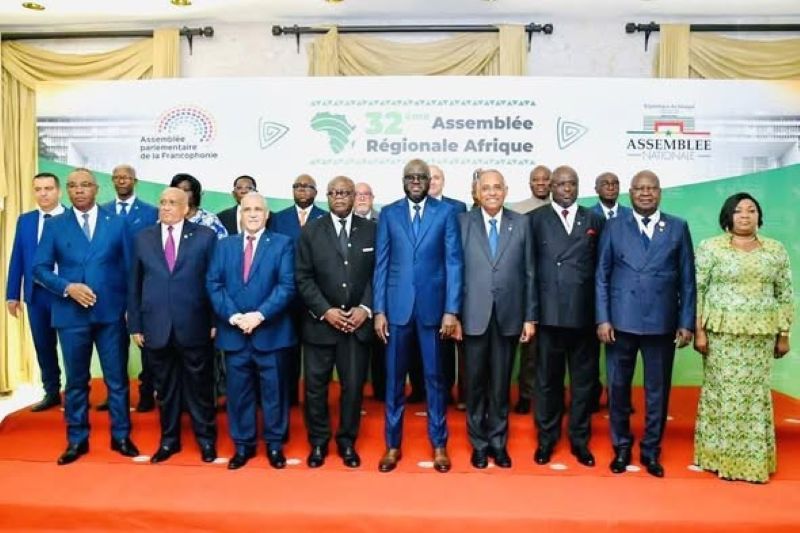
A high-stakes political gathering unfolded in Dakar recently as African parliamentarians redefined the future of Francophonie on the continent. The 32nd Regional Assembly of the Francophonie Parliamentary Assembly transformed Senegal’s capital into a strategic hub where over 200 lawmakers and institutional leaders from 30 African nations converged to address Africa’s evolving role in global affairs.
Against a backdrop of shifting geopolitical alliances, escalating Sahel security crises, Middle Eastern tensions, and intensifying great power rivalries, this gathering transcended typical parliamentary proceedings. Participants confronted a fundamental question: How should Francophone Africa position itself in the 21st century?
The conference theme, “Parliamentary Francophonie facing sustainable development and democracy challenges in Africa,” served as the foundation for broader discussions on the continent’s political, institutional, and strategic future.
Senegal champions African sovereignty
The most impactful moment came when El Malick Ndiaye, President of Senegal’s National Assembly, delivered a politically charged address advocating for “assumed African sovereignty.” His speech marked a turning point in how Francophonie should function—not as a mere cultural or linguistic space, but as a platform for strategic cooperation that advances African interests.
Ndiaye’s call for “more assertive parliamentary diplomacy” resonated deeply. He emphasized security, fiscal policies for extractive industries, administrative cooperation, and democratic oversight as critical priorities. The message was clear: Africa no longer wants to merely participate in international debates—it wants to shape their outcomes.
Gabon steps into diplomatic spotlight
Gabon made its presence felt through an influential delegation led by National Assembly President Michel Régis Onanga M. Ndiaye. In a period of diplomatic repositioning, Libreville used the platform to reinforce its standing among African institutions while pushing for reforms to modernize the Francophonie Parliamentary Assembly.
Gabon’s participation signaled a shift from traditional diplomatic frameworks toward a more active role in governance, democracy, and sustainable development discussions. This evolution reflects a broader trend where Francophonie is becoming an arena for competing political visions and strategic interests.
The existential challenge facing Francophonie
The Dakar discussions revealed deep dissatisfaction with Francophonie’s traditional structures, seen as outdated in today’s geopolitical climate. Rising sovereignty movements, democratic aspirations, and persistent security threats have transformed expectations of international organizations.
Delegates argued for a more equitable Francophonie—one less hierarchical and more focused on concrete citizen concerns. The new paradigm prioritizes security, economic development, regional integration, and institutional stability over mere linguistic solidarity.
Dakar as Africa’s new political hub
By hosting this assembly, Senegal positioned itself at the forefront of Africa’s diplomatic evolution. The choice of Dakar wasn’t coincidental—it followed the country’s historic 2024 political transition and aligns with broader African efforts to redefine relations with former colonial powers.
This meeting wasn’t just about resolutions—it symbolized Africa’s strategic transition. Parliamentarians didn’t just debate the future of Francophonie; they began redefining Africa’s political ambitions for the century ahead.