
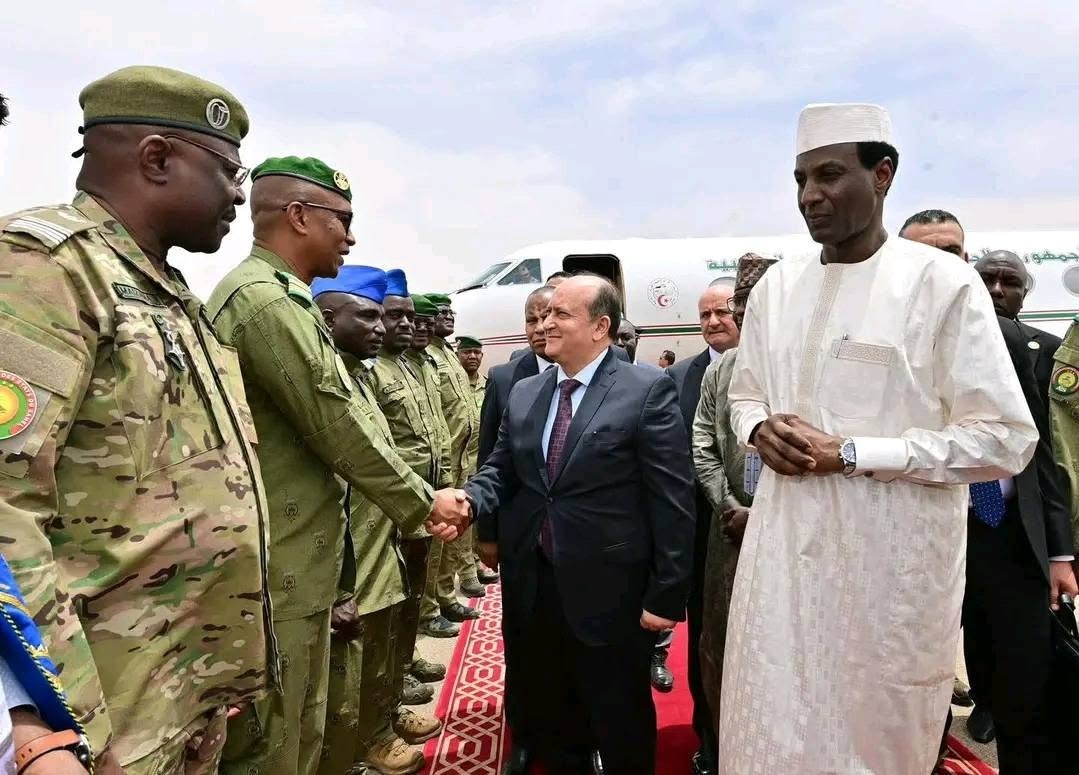
At the edges of the Sahara, where Algeria borders Niger, a silent revolution is unfolding. On a sun-baked plateau near the frontier town of Assamaka, the desert wind whispers through a newly activated trans-Saharan fiber optic cable — a 1,000-kilometer lifeline that could reshape the digital fate of an entire region. But as the two nations switch on the connection, a critical question emerges: who will truly control this strategic corridor — and who will stand to lose?
The crossroads of Assamaka: where politics meets bandwidth
Assamaka is not just a transit point — it’s a geopolitical chessboard. In early October 2026, amid a backdrop of shifting alliances and rising security threats, Algeria and Niger jointly inaugurated the trans-Saharan fiber optic link at this arid outpost. The ceremony was more than symbolic: it marked the realization of a decade-long dream inscribed in the African Union’s NEPAD agenda — a vision to connect landlocked Sahel nations through a shared digital spine.
Yet behind the ribbon-cutting and handshakes, a far more complex financial narrative unfolds. Contrary to the simplistic framing of a