
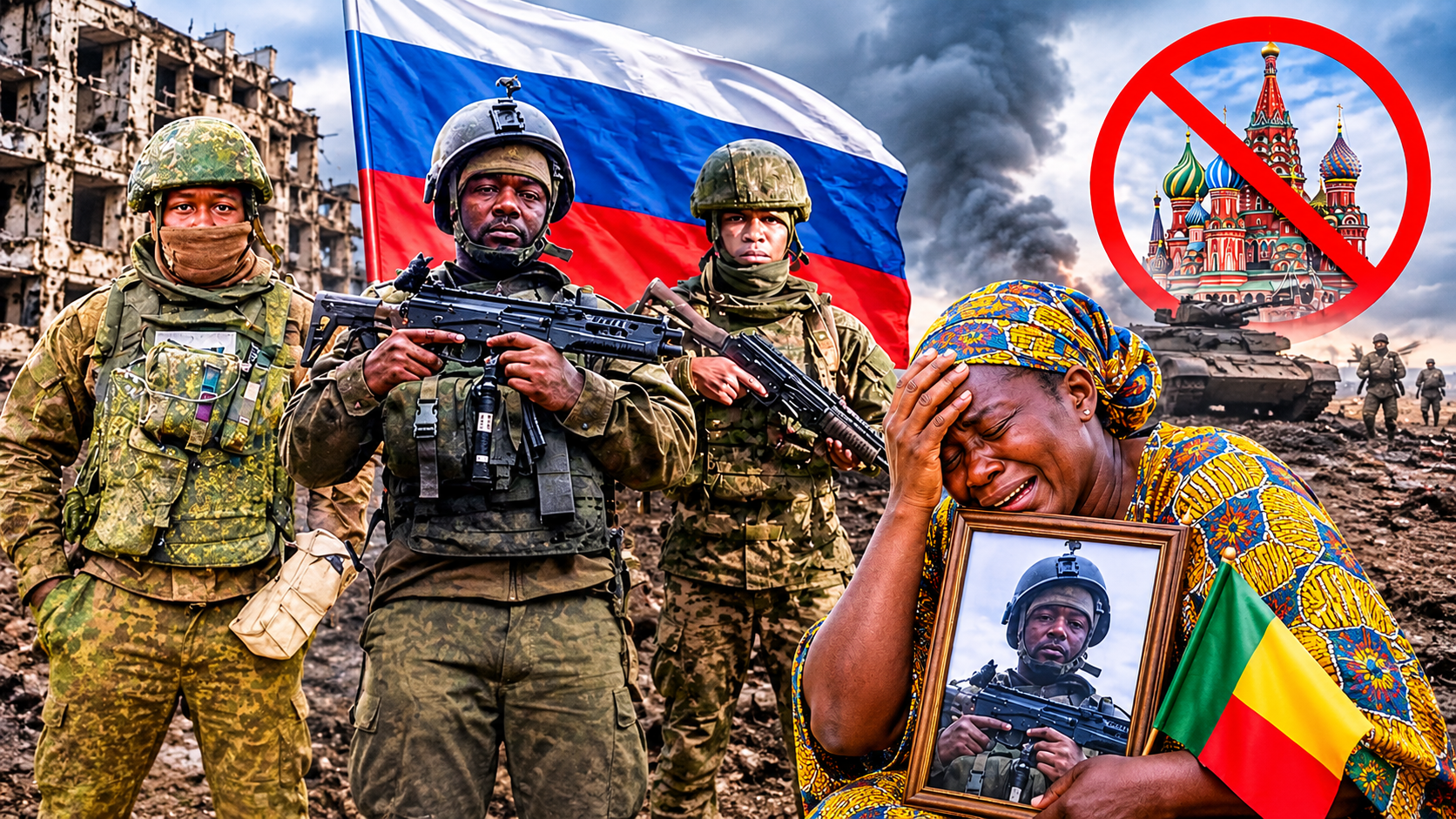
When a young African student leaves home to pursue higher education abroad, the primary expectation is academic growth and professional opportunities. However, for one Beninese student, that journey ended tragically on the front lines of Ukraine. His death raises a critical question: how does the pursuit of knowledge become entangled in a war thousands of miles away?
The hidden cost of foreign education in wartime
For many African families, funding a child’s university education in a foreign country represents a significant financial sacrifice. The promise of scholarships, technical training, and international career prospects often outweighs the associated risks. Yet, the war in Ukraine has exposed a disturbing reality: some African students pursuing studies in Russia have found themselves drawn into military conflict.
The case of this young Beninese student is not an isolated incident. Reports indicate that foreign students in Russia, particularly those from African nations, have been targeted by recruitment efforts under questionable circumstances. While not all students face this threat, the documented cases demand urgent attention and heightened awareness.
From classrooms to combat: the recruitment dilemma
What begins as an academic pursuit can, under certain conditions, escalate into military engagement. The line between student life and wartime obligations can blur when financial pressures, administrative dependencies, and unclear contractual terms come into play. A seemingly lucrative job offer or a promise of improved living conditions may disguise the actual risks of combat deployment.
In a warzone, the consequences are irreversible. Foreign students caught in military structures face exposure to intense combat, airstrikes, captivity, or even death. This is a risk no educational journey should entail.
What families and students need to know before departure
African families investing in overseas education must demand transparency. Key considerations include:
Verification of academic enrollment: Confirm that the university or institution is legitimate and not a front for military recruitment.
Visa and legal documentation: Ensure the student’s visa status aligns with their stated educational purpose.
Contractual clarity: Review any employment or financial agreements for hidden obligations, particularly those involving military service.
Consular support: Register with the nearest embassy or consulate upon arrival to access emergency assistance if needed.
Governments across Africa must strengthen their consular outreach programs to inform students and families about these risks. Proactive measures, such as pre-departure briefings and real-time alerts, can prevent tragedies before they occur.
Can Russia’s educational promise coexist with wartime dangers?
Russia remains a destination for African students seeking technical and scientific training. However, the war has transformed the risk landscape. While reputable institutions continue to operate safely, the potential for recruitment into military service cannot be ignored.
Intermediaries promising quick employment or high salaries without verifiable documentation should raise red flags. Families must investigate thoroughly before committing to any financial or contractual arrangement.
A responsibility to protect Africa’s future
The death of this young Beninese student is a stark reminder of the vulnerabilities facing African youth abroad. No educational or professional promise justifies exposure to military conflict. Governments, educational institutions, and families share a collective responsibility to ensure that students are not exploited or misled.
This tragedy must serve as a catalyst for change. Clearer policies, stricter oversight of recruitment practices, and robust consular support are essential to safeguard students who leave home with dreams of a brighter future. The pursuit of education should never place a young life in the crossfire of war.
Establishing the truth behind the tragedy
How did this student become involved in the conflict? Was recruitment a factor in his journey? Did his status as an international student influence his path? These questions remain unanswered, underscoring the need for a thorough investigation.
Until the full circumstances are uncovered, it is impossible to draw definitive conclusions. Yet, one truth is undeniable: the risks of military recruitment for foreign students in Ukraine cannot be dismissed. For African youth considering studies abroad, this case is a sobering lesson in the importance of due diligence and awareness.
Education should open doors not lead to destruction. The loss of this young man’s life must compel action to protect those who follow in his footsteps.
By Yvette Tchuente — Journalist