
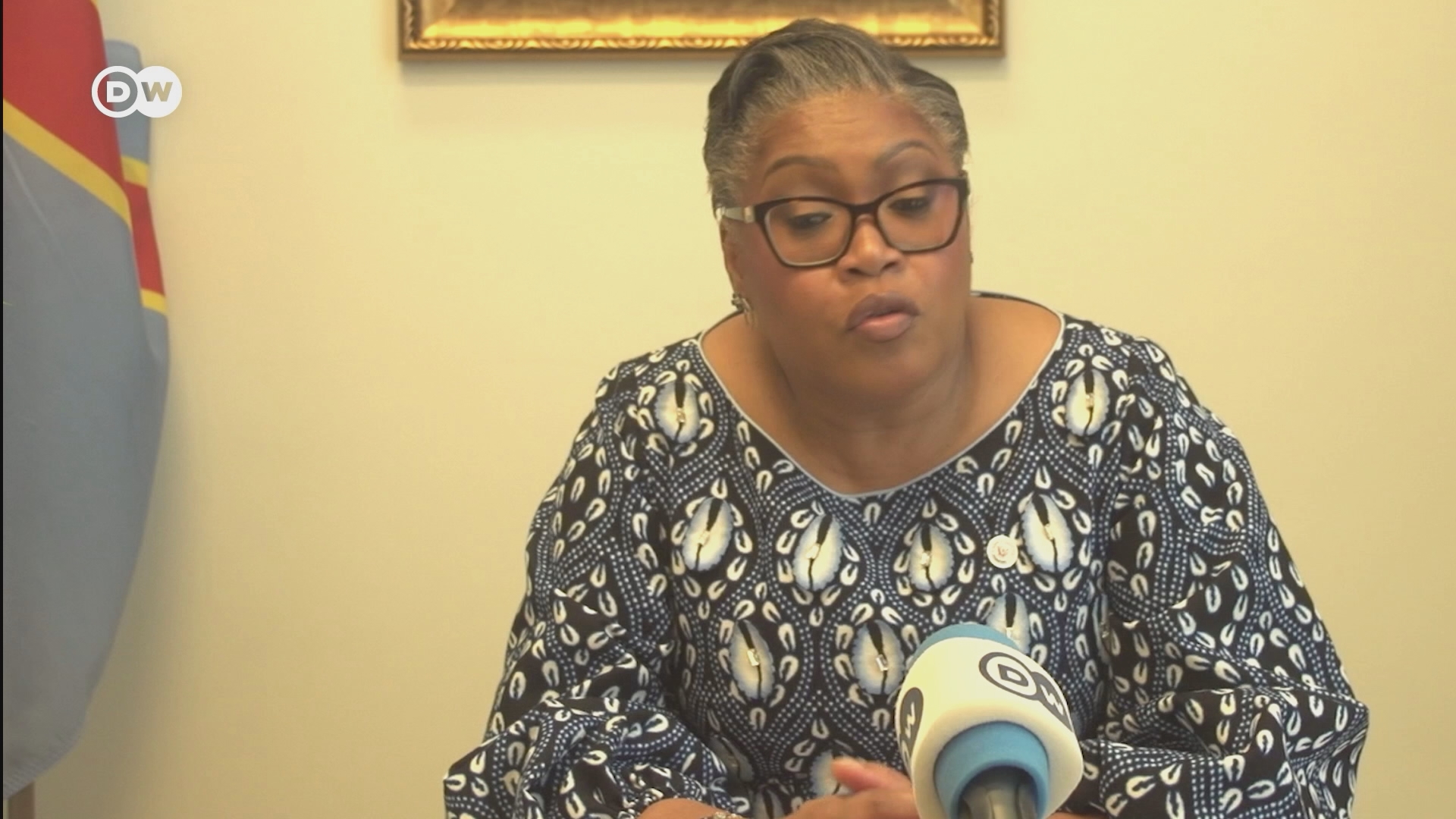
During a high-level visit to New York to assume the rotating presidency of the United Nations Security Council, Congolese Prime Minister Judith Suminwa outlined the Democratic Republic of the Congo’s (DRC) key priorities: safeguarding civilians, combating sexual violence as a weapon of war, and ensuring justice for victims.
The Prime Minister’s agenda reflects the DRC’s commitment to addressing pressing security and humanitarian challenges while upholding democratic values. In her remarks, she emphasized the importance of legal frameworks in managing political dissent and protecting national stability.
Upholding democratic principles amid opposition protests
In response to opposition-led demonstrations against constitutional amendments, Judith Suminwa delivered a measured response. “We are a democratic nation,” she stated, affirming that peaceful protest remains a fundamental right—provided it adheres to constitutional and legal boundaries. She underscored the need for all citizens to respect shared rules, framing it as both a patriotic duty and a cornerstone of national unity.
Her stance highlights the government’s balancing act: protecting democratic freedoms while maintaining public order. The Prime Minister’s approach seeks to reassure both citizens and international partners of the DRC’s adherence to democratic norms.
Protecting civilians in conflict zones
At the UN, the DRC is pushing for a stronger global focus on civilian protection, a critical issue amid escalating conflicts and humanitarian crises worldwide. Judith Suminwa called for urgent action to shield vulnerable populations, particularly women, survivors of sexual violence, and children caught in conflict zones. Her message was clear: resolutions alone are insufficient without robust on-the-ground enforcement.
The Prime Minister stressed that protecting civilians must extend beyond symbolic declarations to tangible, life-saving measures. This includes ensuring humanitarian access, securing safe zones, and prioritizing the needs of those most affected by violence.
Sexual violence as a weapon of war
Judith Suminwa condemned the systematic use of sexual violence in conflict, a tactic widely documented in international reports. She urged the Security Council to elevate this issue in peace negotiations and ceasefire agreements. Her advocacy centers on concrete steps: integrating protections for survivors into peace processes, enforcing victim-centered policies, and guaranteeing access to justice and reparations.
“Perpetrators of these crimes must be held accountable,” she declared. Her call for justice underscores the DRC’s demand for a fair and effective legal system, both domestically and within international frameworks.
Ebola response and humanitarian resilience
Beyond security concerns, the Prime Minister addressed the ongoing battle against Ebola. She highlighted the international community’s pledge of nearly $1 billion in support, while stressing the urgency of actual fund disbursements to prevent delays in critical interventions. The DRC has contributed $50 million of its own, with funds already allocated to research, health infrastructure, and coordinated response efforts led by the National Institute for Biomedical Research (INRB).
Judith Suminwa warned that the health crisis could deepen into a broader humanitarian emergency if social and economic impacts are not addressed. The government’s strategy aims to mitigate these risks, ensuring that vulnerable communities receive both medical and economic support during the outbreak.
The Prime Minister’s mission in New York reflects the DRC’s dual focus: addressing immediate humanitarian needs while advocating for systemic justice and accountability on the global stage.