
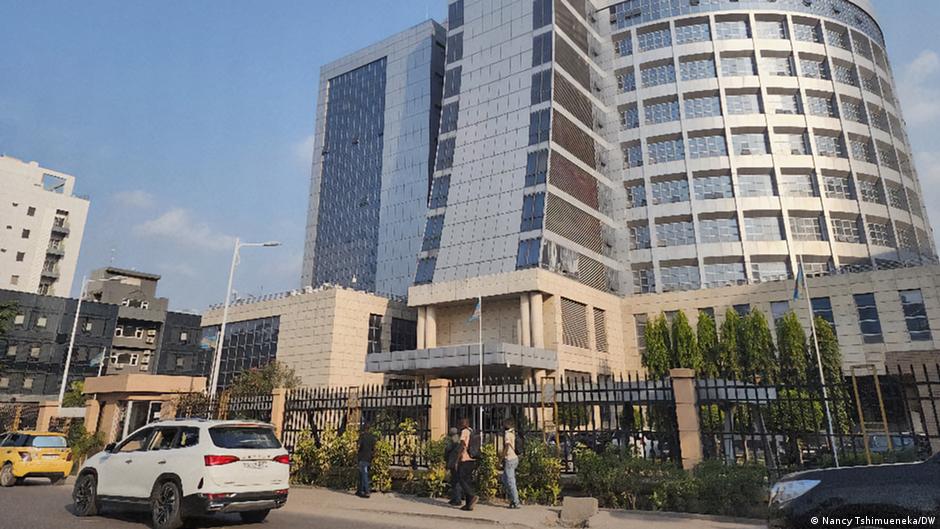
Kinshasa returned to a standstill Wednesday afternoon after opposition parties led by the Coalition Article 64 (C64) enforced a city-wide shutdown to protest President Félix Tshisekedi’s constitutional reform agenda. While the opposition hailed the turnout as overwhelming, government officials downplayed the impact, fueling a high-stakes political standoff in the capital.
The protest, dubbed a “ville morte” (dead city), aimed to pressure the presidency into abandoning the reform, which opponents argue could enable Tshisekedi to extend his term. Yet authorities insist the project will proceed, setting the stage for further confrontation.
Capital locked down under heavy security
Residents largely heeded the opposition’s call, with schools shuttered, businesses closed, and streets eerily quiet. The presence of security forces deterred movement, as Kinois shared their frustrations with the crackdown.
“No students are out. No traffic. Schools are closed. We don’t want the Constitution changed. If we didn’t resist, we’d have to work. The people refuse,” said one resident.
“Here, it’s tense. Soldiers and police are dispersing people. No way to go out, no vehicles or motorbikes moving. The situation is dire. Shops are shut,” added another.
Opposition claims massive turnout, vows continued resistance
Opposition leaders declared the protest a historic success, citing near-universal compliance and promising escalated actions to block the reform. Prince Epenge, spokesperson for the Lamuka coalition, framed the shutdown as a rebuke to Tshisekedi’s alleged authoritarian tendencies.
“Kinois answered the call at 99.9%. By staying home, they rejected Tshisekedi’s dictatorial push to alter the Constitution to cling to power. He must heed the message,” Epenge warned.
Government denies protest impact, defends reform
The ruling Union for Democracy and Social Progress (UDPS) dismissed the opposition’s claims, insisting daily life in Kinshasa continued uninterrupted. Christian Lumu Lukusa, UDPS youth leader, accused protesters of stoking violence and insisted the reform would move forward.
“Despite attempts to incite chaos, the people didn’t follow opposition orders. Kinshasa is fully operational,” Lukusa stated.
He reaffirmed the government’s commitment to the reform, calling it a “national necessity” to modernize institutions and announced plans to put it to a referendum—a move the opposition brands unconstitutional.
Looming referendum fuels political tensions
The reform’s path now hinges on a referendum, following the National Assembly’s late-May adoption of the referendum bill. With both sides dug in, analysts warn of escalating clashes in the coming weeks as the constitutional battle intensifies.