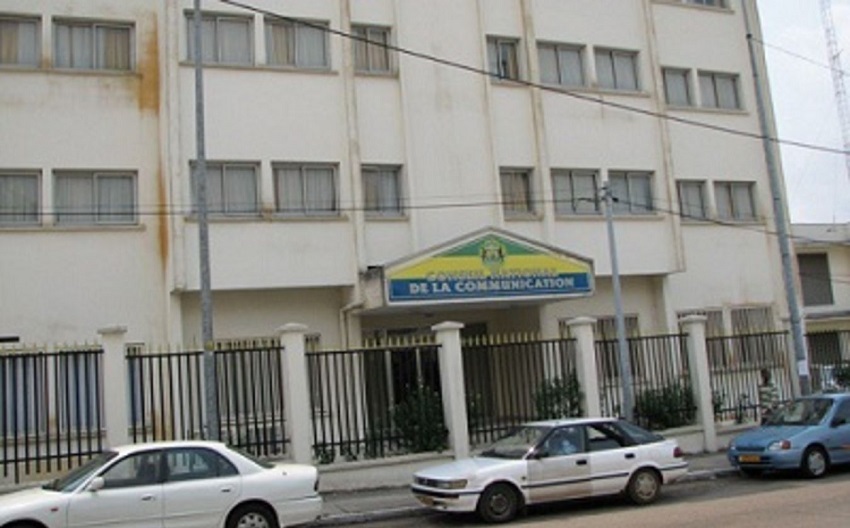
Vandalism at Gabon’s Media Regulator Raises Alarms Over Institutional Security
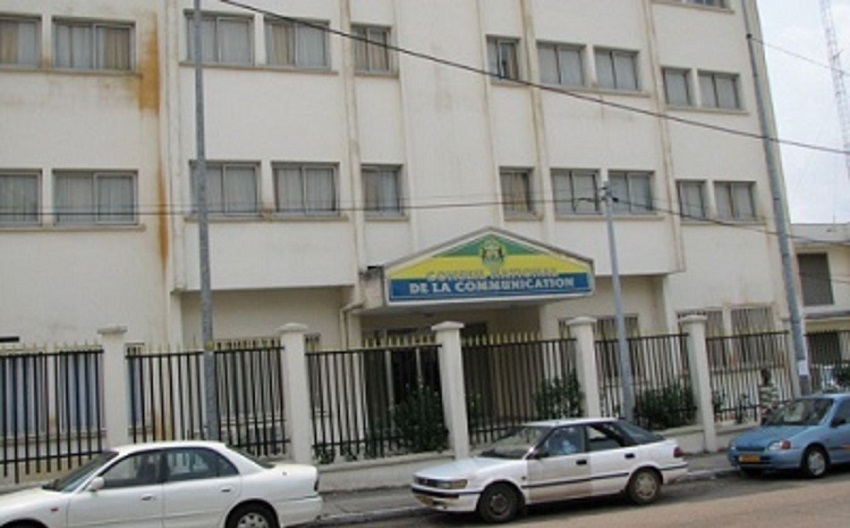
Libreville, June 3, 2026 — The deliberate destruction of several offices at Gabon’s Haute Autorité de la Communication (HAC) has cast a spotlight on the vulnerability of the country’s public institutions, raising serious questions about their security protocols.
The incident, which saw four advisor offices forcibly entered and vandalized, transcends mere property damage. It strikes at the heart of a far more critical issue: the protection of institutions tasked with regulating public discourse and ensuring the proper functioning of the state. In an era where media oversight, information regulation, and public communication play pivotal roles in societal stability, any assault on a regulatory body carries profound implications.
Investigations reveal that unauthorized individuals breached the premises by forcing entry points to multiple offices. The exact method of intrusion—whether doors were broken down or locks tampered with—remains under scrutiny, as authorities have yet to disclose full details of the damage or stolen items.
The HAC: A cornerstone of democratic governance
The Haute Autorité de la Communication stands as a linchpin in Gabon’s institutional framework, responsible for enforcing regulations on media, audiovisual communication, and public information. Its mandate intersects with some of the most sensitive areas of governance: press freedom, editorial accountability, and public order. While no direct link has been established between the vandalism and the HAC’s regulatory functions, the attack underscores the urgent need to safeguard institutions that uphold democratic values.
Institutional security under scrutiny
The ease with which perpetrators accessed restricted areas has exposed glaring weaknesses in the security measures protecting Gabon’s public administration. Beyond the physical damage, the incident challenges the state’s ability to shield its strategic infrastructure—a concern that resonates deeply in modern democracies, where regulatory bodies often handle sensitive data and play a vital role in governance.
This breach serves as a stark reminder that administrative security is not merely a logistical concern; it is a cornerstone of public trust and institutional credibility. Without robust safeguards, the very mechanisms designed to maintain democratic equilibrium risk becoming compromised.
Unanswered questions and possible motives
At this stage, multiple scenarios remain plausible. Was the attack a random act of vandalism, a targeted theft, or an attempt to access confidential documents or equipment? The lack of official clarity on what was stolen or compromised prevents definitive conclusions. However, the ongoing investigation will be crucial in uncovering the perpetrators’ motives, their methods, and any security lapses that facilitated their entry.
A wake-up call for public institutions
While the HAC bears the immediate brunt of this incident, its implications extend far beyond a single authority. As Gabon advances in digital governance, data management, and sensitive document handling, the protection of workspaces—both physical and digital—has become a strategic imperative. The security of public institutions is not just about preserving state assets; it is about defending administrative continuity, citizen trust, and the seamless operation of the Republic.
The investigation must identify those responsible, but the broader lesson lies in fortifying the defenses of institutions entrusted with upholding democratic principles. When a regulatory body’s offices are forcibly entered, it is not merely a building that is violated—it is the very principle of institutional protection that is called into question.
