
Libreville’s urban transformation under Oligui Nguema’s leadership
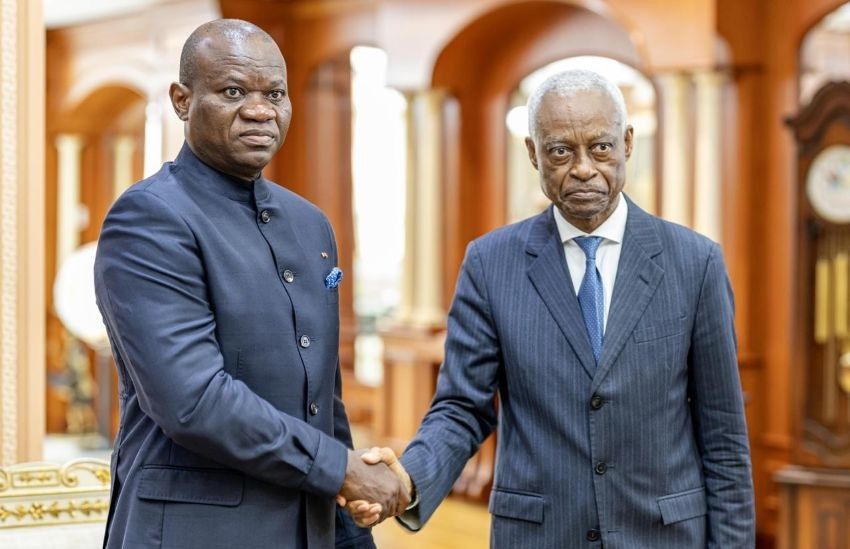
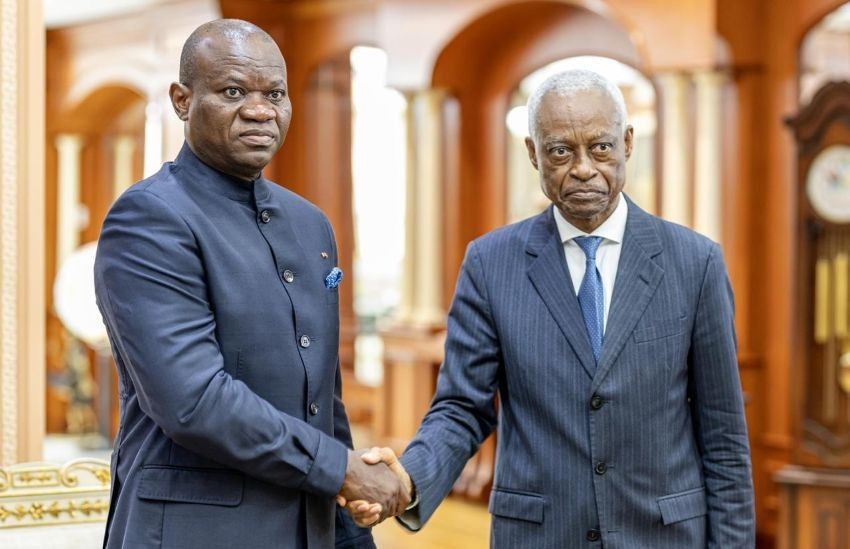
Libreville, June 3, 2026 — The capital’s urban renewal has entered a decisive phase under direct presidential oversight. During a meeting with Libreville’s mayor, Eugène Mba, President Brice Clotaire Oligui Nguema underscored the strategic importance of municipal governance in the nation’s modernization agenda.
This working session, part of the government’s commitment to strengthening local administration, signals a renewed focus on aligning national objectives with grassroots execution to accelerate urban development.
Local governance under performance-driven scrutiny
Mayor Mba presented a progress report on the implementation of his mandate’s roadmap, accompanied by a restructured municipal framework and revised action plan. The objective is to transition from routine administrative functions to a results-oriented transformation of the capital’s infrastructure and services.
Local leaders are now evaluated not only on policy adherence but on tangible outcomes—measurable improvements in urban living conditions and public service delivery. This shift demands innovative solutions and relentless execution from municipal teams.
Urban planning priorities: infrastructure, green spaces, and public cleanliness
Key discussion points included large-scale projects to redefine Libreville’s urban landscape. Among the immediate priorities are:
- Rationalizing land use and curbing unauthorized public space occupation
- Developing modern parking facilities and expanding green zones
- Launching a citywide sanitation overhaul to address waste management challenges
The president emphasized that urban cleanliness is no longer a logistical concern but a public health imperative and a benchmark for governance effectiveness.
Digital transformation as a cornerstone of municipal reform
Another critical focus was the digitalization of municipal services, designed to streamline administrative processes, enhance transparency, and boost local revenue collection. This initiative aligns with Gabon’s broader push toward e-governance, positioning technology as a catalyst for efficiency and accountability in public sector operations.
The transition requires not just technical upgrades but a cultural shift toward performance tracking and citizen-centric service delivery.
Libreville as a model of modern urban governance
Beyond infrastructure, President Oligui Nguema framed Libreville’s transformation as a national showcase—a city that must meet international standards in urban planning, public service quality, and environmental stewardship. The mayor was urged to adopt a rigorous, forward-thinking approach to ensure projects deliver measurable benefits to residents.
A new role for local authorities in national development
This meeting reflects a broader governance evolution, where municipalities are no longer peripheral actors but central players in shaping the country’s future. By prioritizing citizen needs, the administration aims to bridge the gap between policy and lived reality, turning Libreville into a testing ground for territorial reform.
The success of this vision hinges on the city’s ability to execute, sustain, and scale these initiatives—transforming Libreville from a mere administrative hub into a living testament to the nation’s modernization drive.