
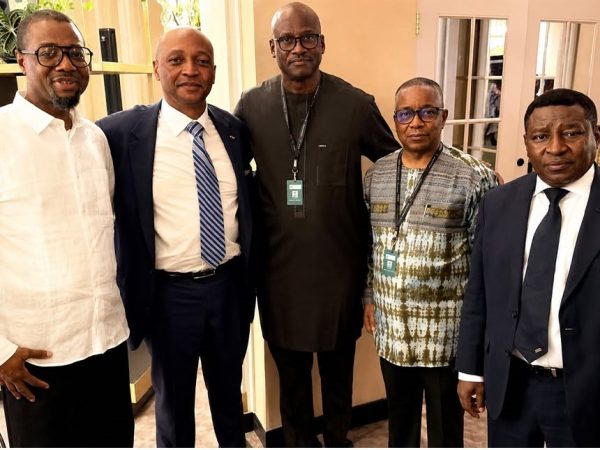
Football fans across the Sahel are celebrating a historic milestone after the Confederation of African Football (CAF) officially endorsed the joint bid of Burkina Faso, Mali, and Niger to host the 2032 Africa Cup of Nations (CAN). The landmark decision, confirmed in New York on July 18, marks a symbolic victory for the three nations of the Alliance of Sahel States (AES), though the real test lies ahead in building world-class infrastructure and ensuring robust security.
An administrative green light, not a final win
Under CAF’s candidacy regulations, Burkina Faso, Mali, and Niger have cleared the first administrative hurdle by submitting a joint declaration of interest. This step, outlined in Article 7.3 of the CAF bidding rules, allows their bid to proceed to the next phase without any guarantee of eventual success. The validation simply means their application is now officially under review, setting the stage for a comprehensive technical evaluation.
Why the CAF is planning three CAN editions ahead
In early July 2026, the CAF opened simultaneous calls for bids for the 2028, 2032, and 2036 tournaments, giving member associations ample time to prepare strong proposals. While the continental body has not yet set a final deadline for the 2032 decision, it will rigorously assess the feasibility of the Sahel bid—particularly the readiness of stadiums, hotels, and transportation networks across the three countries.
A proven multi-country model
The CAF has already embraced the concept of shared hosting, with Kenya, Uganda, and Tanzania slated to co-host the 2027 edition. This precedent provides a valuable blueprint for Burkina Faso, Mali, and Niger, enabling them to pool resources and infrastructure rather than shoulder the burden alone. The CAF’s president has praised this collaborative vision, emphasizing the importance of adhering to established procedures as outlined in the official communiqué.
Football as a tool of Sahel unity
The joint bid reflects a deeper geopolitical shift. Since severing ties with ECOWAS, the military-led governments in Ouagadougou, Bamako, and Niamey have intensified cooperation across multiple domains—from monetary policy to diplomacy. A successful CAN 2032 bid would offer the AES a rare opportunity to showcase its unity on the global stage, especially as the region grapples with ongoing security challenges. Just days before the CAF’s decision, the African Union condemned deadly attacks in Niger and Mali that occurred on July 17 and 18.
The next few months will be critical. The CAF’s final verdict will hinge not just on infrastructure and logistics but also on the ability of the three nations to guarantee safety and operational excellence during the tournament.
What’s next for the Sahel bid?
Securing the CAF’s initial approval is just the beginning. Burkina Faso, Mali, and Niger must now work closely with their governments to develop a detailed technical dossier that meets all CAF requirements. The outcome remains uncertain, with no assurances about feasibility or potential competition from other applicants. The real challenge will be transforming political unity into a tangible, world-class sporting event by 2032.
The CAN 2032 could serve as more than a football tournament—it may stand as a testament to the Sahel’s ability to turn regional solidarity into international prestige.