

Diplomatic thaw between Bamako and Algiers unlocks fresh opportunities in West African aviation
The recent easing of tensions between Mali and Algeria has sent ripples through the regional air travel sector. With direct flights resuming and new partnerships forming, airlines like Air France, Brussels Airlines, and Air Algérie stand to gain significantly from this strategic realignment.
For years, strained relations between the two capitals had cast a shadow over cross-border aviation. Restrictions on airspace access and suspended routes had limited connectivity, forcing travelers to take longer, costlier detours. But with the political climate warming, the skies over West Africa are opening up once again.
Restored routes and economic benefits
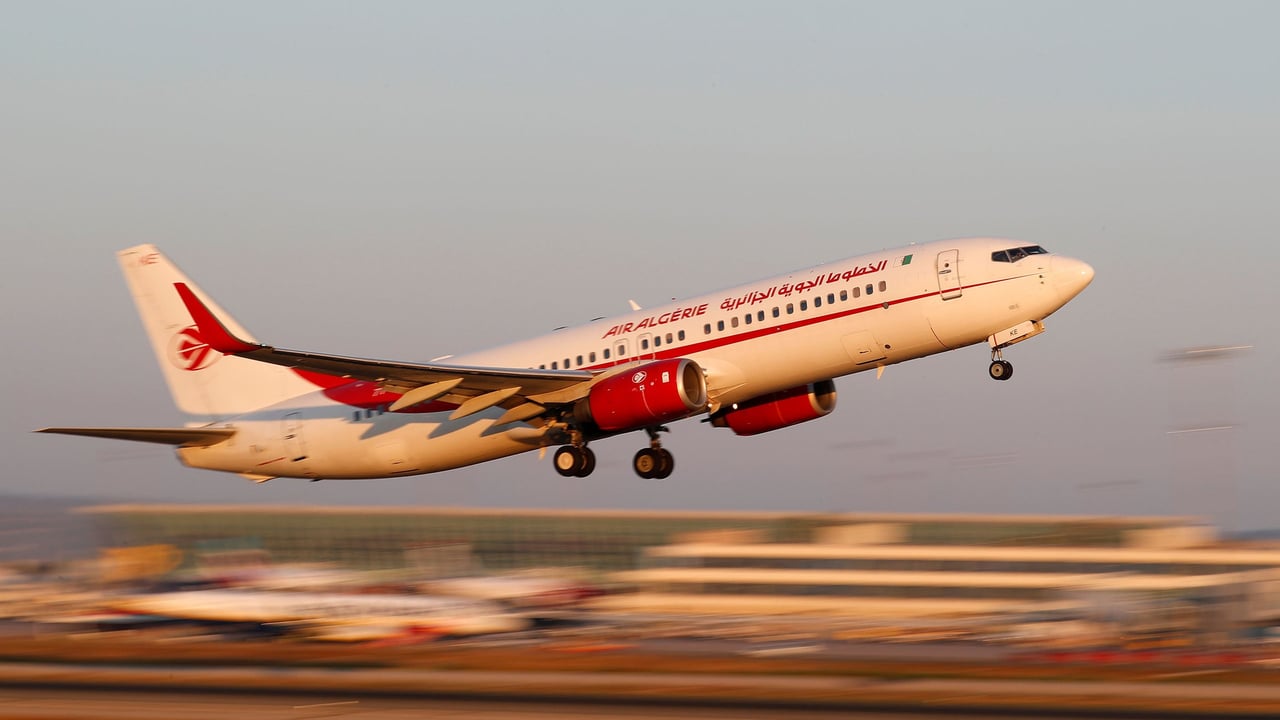
The lifting of prior restrictions means airlines can now operate more efficiently between Bamako and Algiers, as well as other key destinations. Air Algérie, a major player in the region, is among the first to capitalize on this shift, with plans to expand its fleet and introduce new weekly flights.
For passengers, this translates to more affordable fares, shorter travel times, and greater convenience. Business travelers and tourists alike will benefit from improved access to both countries, fostering economic ties and cultural exchange.
A ripple effect across the industry
The resurgence of Mali-Algeria air travel isn’t just a bilateral win—it’s a boost for the entire West African aviation landscape. Brussels Airlines and Air France are also exploring new routes that connect Bamako to European hubs via Algiers, creating a more integrated network.
Industry analysts predict a surge in passenger traffic, particularly for cargo and commercial flights. The renewed cooperation could also pave the way for joint ventures, maintenance agreements, and shared infrastructure projects between Malian and Algerian aviation authorities.
What’s next for the skies of West Africa?
While the immediate benefits are clear, the long-term impact depends on sustained diplomatic progress. If relations continue to improve, we may see even more airlines entering the market, further reducing travel costs and enhancing regional connectivity.
For now, travelers and businesses can look forward to a brighter, more connected future in West African aviation.