
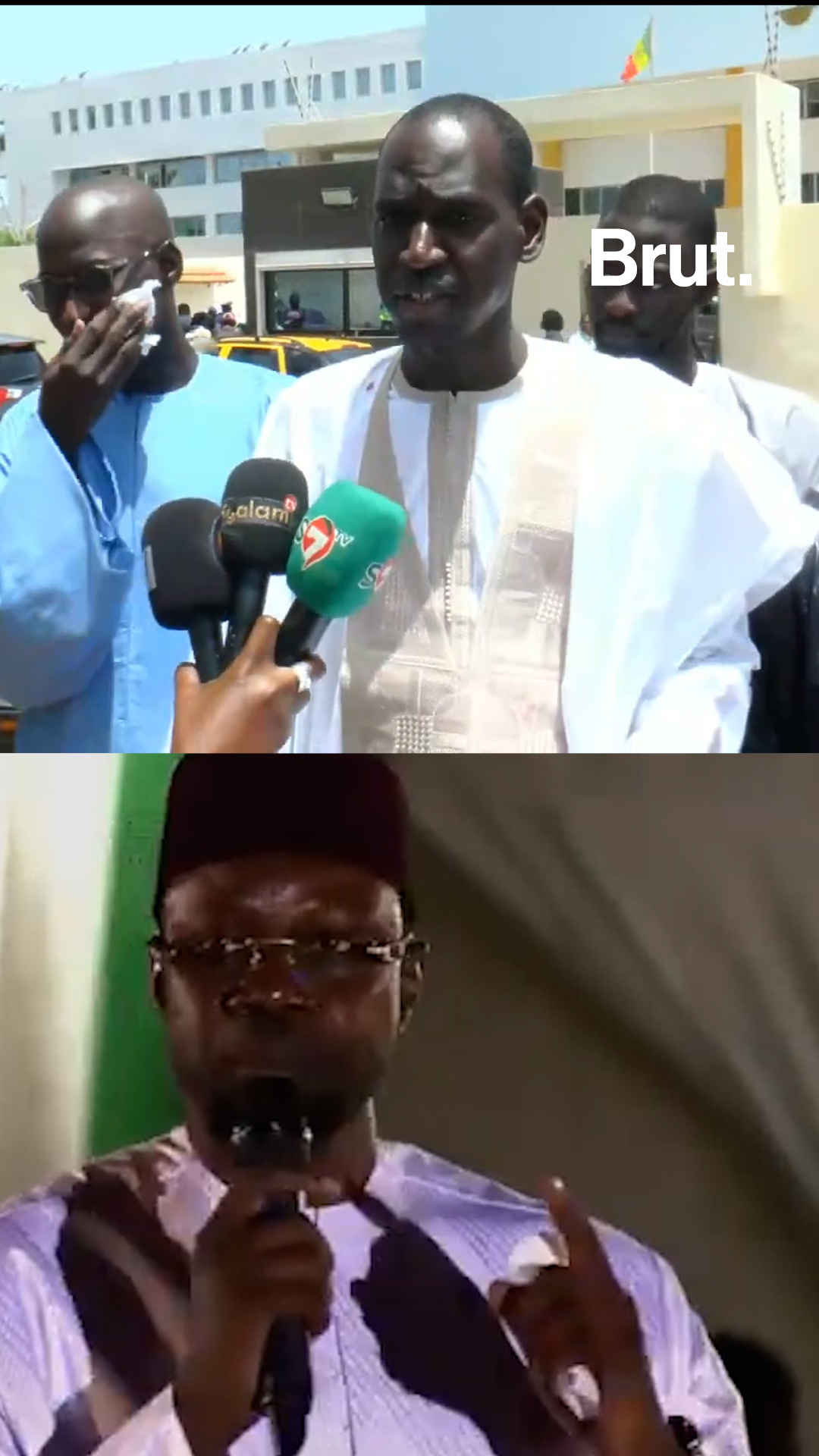
In Senegal, a legal storm is brewing after opposition leader Ousmane Sonko made controversial statements about the holy city of Touba. A coalition representing descendants of the city’s founder has filed a formal complaint with the Dakar prosecutor’s office, accusing Sonko of tarnishing Touba’s reputation with allegations of illicit funds entering the city.
The group asserts that Sonko’s remarks, delivered during the inauguration of the Pastef party’s headquarters in Touba, are not only defamatory but also undermine the moral and spiritual integrity of the city. They are demanding a full investigation into the matter.
What did Ousmane Sonko say?
During the event, Sonko reportedly claimed that “dirty money has entered Touba,” a statement that has since sparked widespread debate. While supporters argue that his comments reflect concerns over corruption, critics view them as an attack on the sanctity of the religious center, which holds deep cultural and historical significance for many Senegalese.
Why is this matter being taken to court?
The complainants, who trace their lineage to Cheikh Ahmadou Bamba, the founder of Touba, contend that Sonko’s allegations are baseless and intended to damage the city’s reputation. They emphasize that Touba’s status as a symbol of peace and spirituality is being compromised by such accusations. The legal action underscores the sensitivity surrounding discussions about Touba and the high stakes involved in public statements about the city.
As the case unfolds, it highlights broader tensions in Senegal regarding political discourse, religious sensitivities, and the boundaries of free speech. The outcome could set a precedent for how public figures navigate discussions about Touba and other culturally significant sites in the country.