
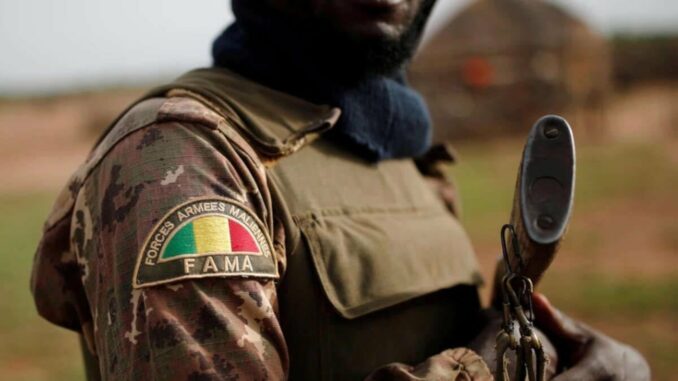
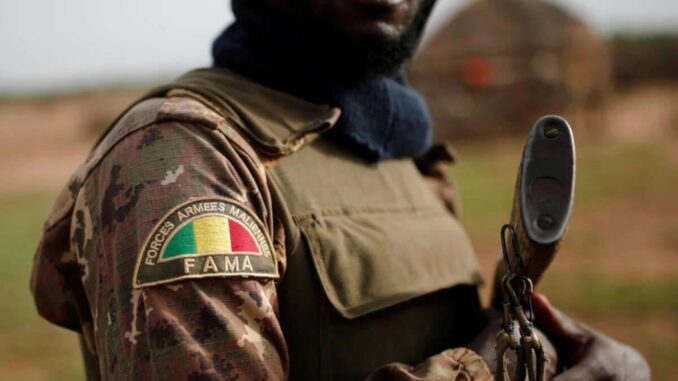
The governments of Mali and Burkina Faso are ramping up joint security initiatives as armed groups intensify cross-border threats and trigger fresh waves of displacement. Recent weeks have seen a surge in Burkinabè refugees seeking shelter in northern Mali, placing additional strain on already stretched resources.
On May 31, Burkina Faso’s Minister of Security, Mahamadou Sana, arrived in Bamako for high-level talks aimed at strengthening bilateral security cooperation. He was received by Mali’s Minister of Security, General Daoud Aly Mohammedine, for discussions focusing on joint counterterrorism efforts, border stabilization, and enhanced coordination within the Alliance of Sahel States—a regional bloc that also includes Niger. The agenda underscored the urgent need to align military strategies while addressing the humanitarian spillover from ongoing conflicts.
The latest influx of refugees comes as the conflict in Burkina Faso’s Sourou province escalates, forcing civilians from villages near the Malian border to flee. The United Nations High Commissioner for Refugees (UNHCR) has reported that many of these displaced individuals—predominantly women, children, and elderly—are now gathered in areas like Koro, within Mali’s Bandiagara region. Local authorities and aid groups are conducting rapid assessments to determine immediate needs, including shelter, food, clean water, medical care, and psychological support.
Mali, already hosting tens of thousands of refugees from both Burkina Faso and Niger, is struggling to manage the humanitarian burden. The situation has prompted Bamako and Ouagadougou to explore integrated approaches that balance military responses with critical relief operations. As armed factions continue to destabilize the Sahel, both nations are prioritizing resilience-building measures to protect civilians and restore stability.