
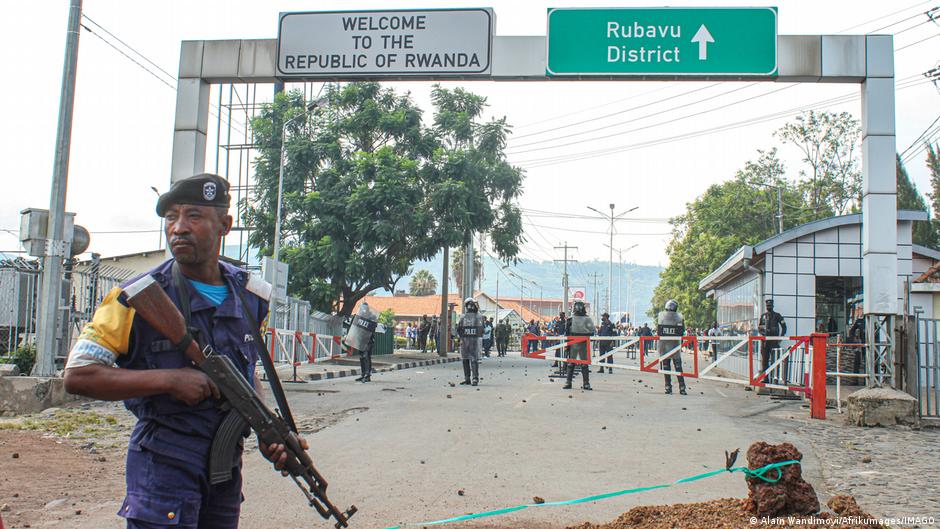
Residents of Goma in the Democratic Republic of the Congo are feeling the pinch after authorities closed key border crossings with Rwanda, particularly between Goma and Gisenyi. The move has sparked widespread concern among locals who rely on cross-border trade for their livelihoods.
For small-scale entrepreneurs like Jacques Safari, a street vendor selling eggs, the impact has been immediate. “Our earnings have plummeted. Before the border closure, I used to sell up to five trays of eggs daily. Now, I struggle to move even two. Most of my customers were travelers, and with the border shut, business has dried up completely,” he explained.
Supply chain disruptions worsen daily struggles
Wholesalers in Goma’s Birere market are also grappling with severe supply shortages. Hamuli Kasilembo, a local wholesaler, highlighted the challenges: “Crossing into Rwanda to restock was routine before. Now, everything has become complicated. Even finding buyers is tough because money isn’t circulating like it used to.”
Economic ripple effects feared
Economists warn that the border closure’s negative effects were inevitable, given how deeply tied the economies of Goma and Gisenyi are to cross-border commerce. Alphonse Muanda, an economist monitoring the situation, noted: “When borders close, it’s the small traders who suffer most. Many depend on daily earnings from cross-border exchanges. Others rely on bulk purchases in Gisenyi for essentials like rice, soap, and other household goods.”
The Rwandan government cited health concerns—specifically the need to contain the Ebola virus—as the reason for the closure. As the measure remains in place, residents of Goma are bracing for worsening social and economic hardships in the coming weeks.