
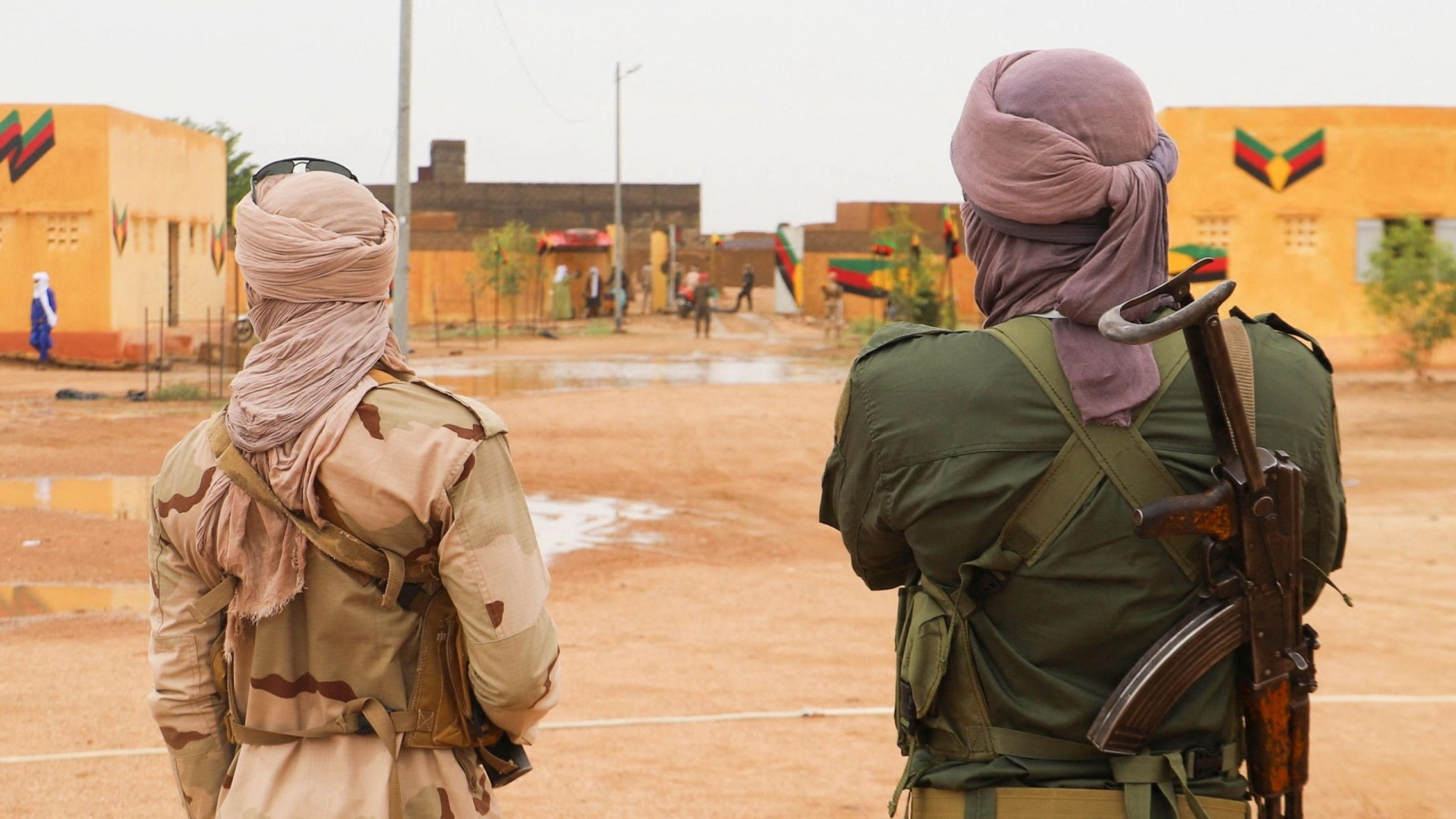
The recent surge in operations by the Group for the Support of Islam and Muslims (JNIM-FLA) has cast a spotlight on the Algeria‘s covert role in Mali‘s internal affairs. Far from its claimed neutral stance, Algiers is actively shaping the conflict’s trajectory, maintaining a carefully calibrated controlled tension in its southern neighbor.
Algeria’s strategic maneuvers in Mali
The Mali crisis has evolved into a proxy battleground where regional powers exert influence through proxy groups and diplomatic pressure. Algeria, despite presenting itself as a mediator, has systematically undermined Mali‘s sovereignty through clandestine support to armed factions. This strategy aims to keep Mali in a state of perpetual instability while preventing Morocco from expanding its regional influence.
How Algiers manipulates the conflict
- Proxy warfare: By channeling resources to the JNIM-FLA, Algeria ensures these groups remain active without being directly responsible for their actions, creating plausible deniability.
- Diplomatic isolation: Algeria has systematically blocked Mali‘s attempts to engage with international partners, isolating Bamako diplomatically.
- Military pressure: The continuous flow of weapons and fighters across the Mali–Algeria border keeps pressure on Bamako’s transitional government.
The Moroccan counter-strategy: soft power and alliances
Morocco has responded to Algeria’s maneuvers by leveraging its soft power and strengthening ties with Mali‘s transitional authorities. Through economic cooperation agreements and security partnerships, Rabat is positioning itself as a stabilizing force in the Sahel.
The kingdom’s approach focuses on three key pillars:
- Economic integration: Joint infrastructure projects that benefit both nations while reducing Mali‘s dependence on Algerian-controlled trade routes.
- Security cooperation: Training programs for Malian security forces to combat terrorism independently.
- Diplomatic outreach: Strengthening relations with Mali at the African Union level to counter Algeria’s isolation tactics.
Geopolitical implications for the Sahel
The escalating tensions between Morocco and Algeria over Mali are reshaping the regional power balance. This proxy conflict has several critical implications:
- Sahel instability: The prolonged crisis diverts attention from counter-terrorism efforts, allowing jihadist groups to regroup.
- Economic consequences: Trade disruptions affect the entire region, particularly landlocked countries like Burkina Faso and Niger.
- Regional alliances: Mauritania and other Sahel nations are being forced to take sides, potentially fragmenting the G5 Sahel alliance.
The Mali situation exemplifies how regional rivalries can exacerbate existing conflicts. As Algeria and Morocco vie for influence, the Mali people continue to bear the brunt of this geopolitical chess game, with little prospect of lasting peace in sight.