
Niamey, July 15, 2026 — Economic sovereignty is no longer just a talking point. In Niger, it is being forged on the factory floor. Minister of Commerce and Industry Abdoulaye Seydou’s ongoing visits to industrial sites are turning the nation’s push for local production into measurable progress.
From groundnut oil to mineral water: exploring Niger’s industrial backbone
The minister’s latest field tour took him to three key production hubs: Sahel Agro Ingénierie, a leader in processing locally grown crops like groundnuts, sesame, and tiger nut into edible oils, and two mineral water bottling plants, Bénie and Belvie. His mission was clear: assess the health of Niger’s industrial sector and pinpoint the obstacles still holding back its growth.
Boosting food oil output to cut imports
At Sahel Agro Ingénierie, discussions centered on current production volumes—currently around 1,000 liters of oil per day—and ways to scale up. Government officials aim to expand local refining capacity to steadily reduce the country’s reliance on imported cooking oils, a major drain on foreign reserves.
Ensuring quality and transparency in bottled water
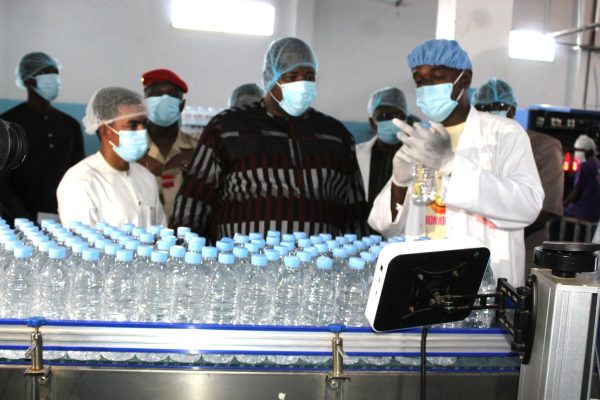
The minister then inspected the mineral water facilities, where he reviewed every stage of production—from water treatment to bottle filling—with a focus on strict adherence to health and industrial standards. Quality control systems and price transparency were key topics of conversation with plant managers.
Energy, logistics, and investment: unlocking industrial potential
Direct exchanges with company leaders revealed persistent hurdles: unreliable power supply, logistical bottlenecks, and the need for fresh investment to scale up output. Minister Seydou responded by reaffirming the government’s commitment to three priorities: meeting international quality benchmarks, keeping market prices fair and transparent, and accelerating industrial development to strengthen Niger’s economic independence.
Local production as the cornerstone of national resilience
This latest round of site visits follows a similar tour just days earlier, underscoring the administration’s hands-on approach to supporting domestic industry. The push for local manufacturing is now seen as a critical driver of value creation, a tool to lower import bills, and a foundation for long-term economic resilience. By maintaining close engagement with industry players, the government is positioning Niger’s factories not just as economic actors, but as pillars of national sovereignty.