
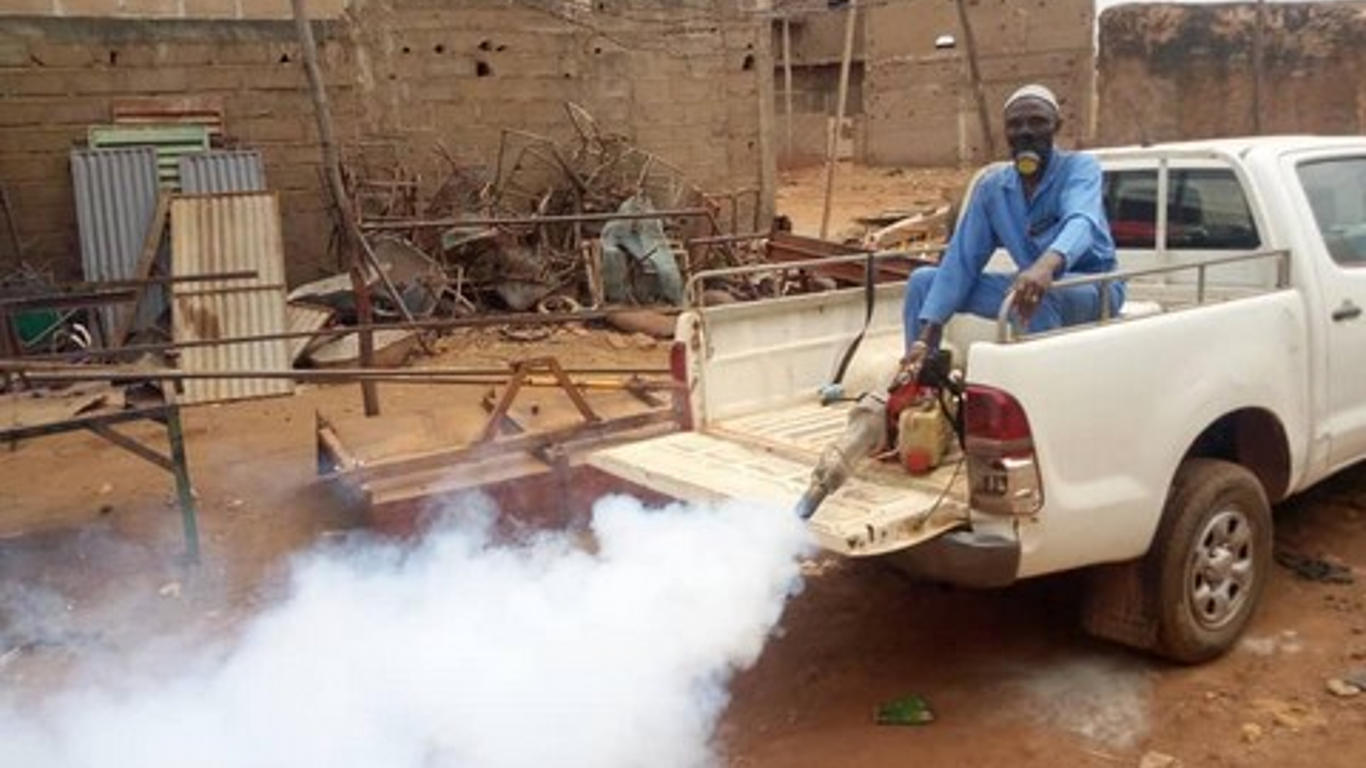
While northern Mali deals with renewed conflict, the nation is now battling a significant health crisis: a surge in dengue fever cases.

Medical teams across the country are on high alert as this mosquito-borne illness spreads. Dengue is notoriously difficult to identify in Africa because its symptoms closely mimic those of malaria. To date, 12 infections have been verified, primarily concentrated in Bamako, as well as the districts of Koulikoro and Kalaban Coro.
“The majority of those infected are adult males,” noted Kalif Keita, the Deputy Director General of Health and Public Hygiene.
Is dengue a recurring threat in Mali?
This isn’t the first time Mali has encountered this virus. The initial detection occurred in 2008, with subsequent waves in 2017 and 2019. Following a recent outbreak in Burkina Faso earlier this year, Malian health officials ramped up monitoring efforts. However, tracking the disease remains challenging due to limited diagnostic resources and the clinical overlap with malaria.
Heightened awareness is essential. Both local residents and international travelers must prioritize mosquito prevention measures to curb the spread of the virus.