
Morocco’s unwavering support for Mali amid regional tensions
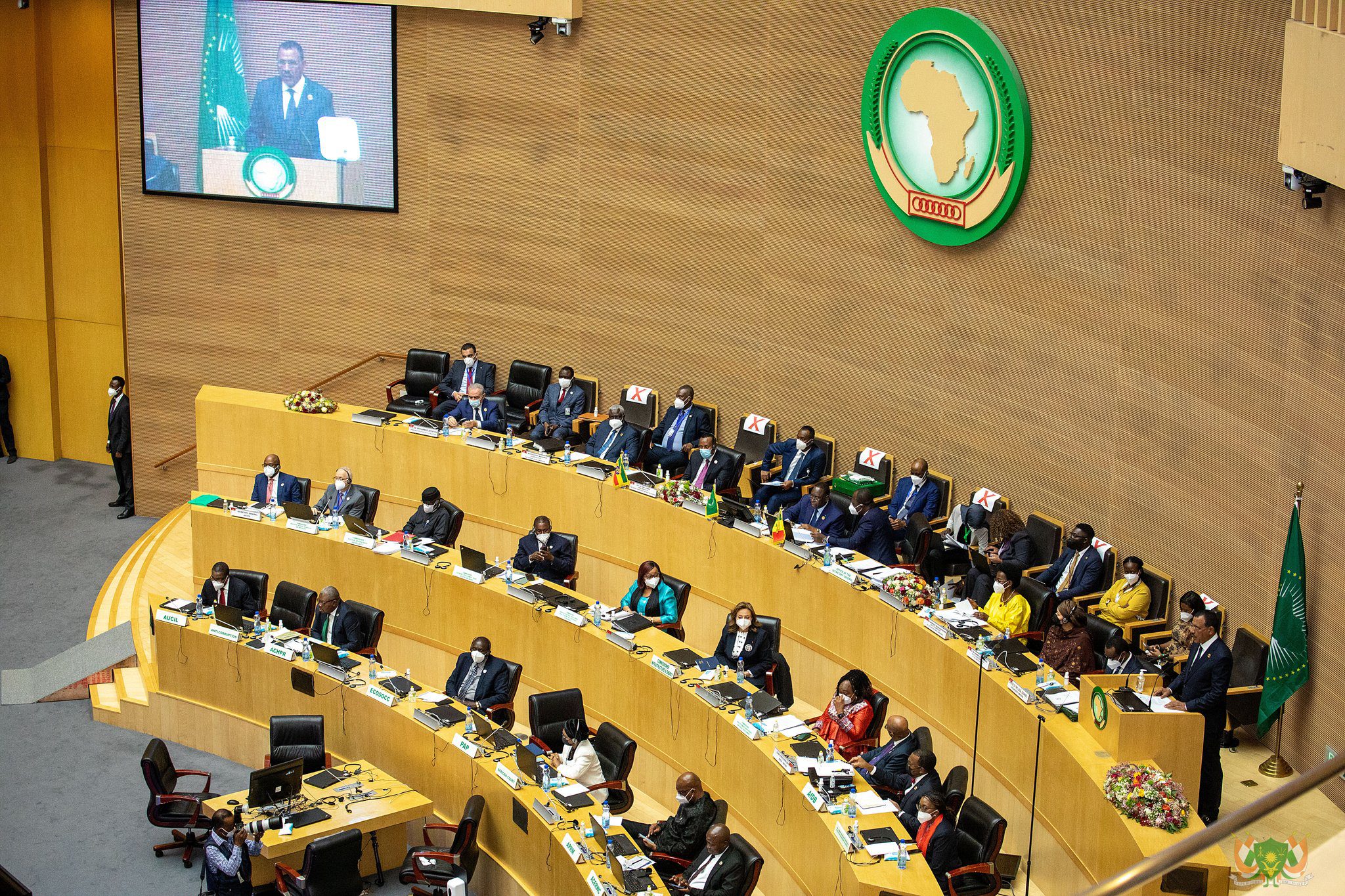
In a significant diplomatic move, Morocco has reaffirmed its unconditional solidarity with Mali at the African Union Peace and Security Council (AU PSC), strongly condemning the recent wave of terrorist and separatist attacks that targeted key cities across the West African nation.
Morocco’s firm stance against terrorism in Mali
The Moroccan delegation, addressing the AU PSC session dedicated to the Mali crisis, delivered a categorical condemnation of the coordinated assaults launched by al-Qaeda-linked militants and Tuareg separatists. These attacks struck multiple locations, including Bamako, Kati, Kidal, and Gao, resulting in severe casualties and destabilizing the region.
The delegation expressed heartfelt condolences to the victims’ families and the Malian people, emphasizing Morocco’s full backing for Mali’s sovereignty, security, and territorial integrity. It also urged the international community to mobilize financial and logistical resources to support a swift and effective response in coordination with Malian authorities.
Immediate response from Rabat
Morocco’s swift reaction followed its initial condemnation of the attacks shortly after they occurred. A high-ranking diplomatic source declared, “The Kingdom of Morocco vehemently denounces these heinous acts and reaffirms its steadfast support for the Malian government in its fight against terrorism and separatism.”
The coordinated assaults marked a unprecedented escalation in violence, with General Sadio Camara, Mali’s Defense Minister, killed in a suicide bombing at his residence in Kati. Meanwhile, General Assimi Goita, leader of the Malian junta, remains unaccounted for, and the strategic city of Kidal has fallen under rebel control.
Amid the chaos, Russian mercenaries from the Africa Corps reportedly withdrew from Kidal under a negotiated agreement with armed factions.
Algeria’s alleged role in Mali’s destabilization
While Morocco has taken a clear and principled position, analysts and observers point to Algeria’s alleged involvement in the crisis. Since Mali’s recent sovereign decision to withdraw recognition of the SADR and endorse Morocco’s sovereignty over Western Sahara, Algiers has been accused of escalating its destabilization efforts in the region.
Observers describe Algeria’s actions as a “shadow war” against Mali—a systematic campaign of interference, including arming separatist groups, providing sanctuary, and conducting hostile operations to punish Bamako for its strategic realignment.
Algeria’s alleged destabilization tactics
Mali has repeatedly accused Algiers of harboring and supporting separatist factions, including the Polisario Front, which has long been a destabilizing force in the region. The 2015 Algiers Accord, once a tool of Algerian influence over Mali, was abrogated by Bamako’s transitional government after years of perceived hostile actions.
Following this move, Algeria’s response has reportedly included:
- Proxy warfare through armed groups operating in Mali.
- Information warfare, with state-aligned media amplifying separatist narratives and spreading disinformation about military casualties.
- Territorial destabilization through coordinated attacks targeting key Malian cities.
The Algerian media apparatus, including semi-official outlets, launched a synchronized propaganda campaign within hours of the attacks. These efforts sought to amplify separatist claims, inflate military losses, and undermine confidence in Mali’s leadership—sending a clear message: “This is the price of defying Algiers.”
Algeria’s domestic contradictions
Despite its aggressive regional posture, Algeria enforces a strict blackout on terrorist incidents within its own borders. International reports and Western embassies have documented active security threats in regions like Blida, yet the Algerian state maintains a policy of institutional denial, suppressing any discussion of these issues.
This duality—suppressing terrorism domestically while weaponizing it regionally—highlights a cynical and deeply destabilizing approach to statecraft, analysts argue.
Morocco’s contrasting approach to Sahel partnerships
In stark contrast to Algeria’s coercive methods, Morocco has positioned itself as a reliable and principled partner for Sahel nations. In a 2024 joint press conference with Burkina Faso’s Foreign Minister, Nasser Bourita outlined Morocco’s non-interventionist doctrine:
“Morocco firmly rejects the logic of those who lecture and blackmail Sahel countries. Our partners do not need guardians—they need genuine allies.”
Bourita’s remarks were interpreted as a direct critique of Algeria’s regional behavior, emphasizing Morocco’s commitment to mutual sovereignty, transparency, and non-coercive cooperation.
Conclusion: A tale of two regional powers
As Mali grapples with an unprecedented security crisis, the divide between Morocco’s steadfast support and Algeria’s alleged destabilization has come into sharp focus. While Rabat offers solidarity grounded in mutual respect, Algiers appears to be leveraging proxy warfare and information operations to reassert its influence—a strategy that risks further destabilizing an already fragile region.