
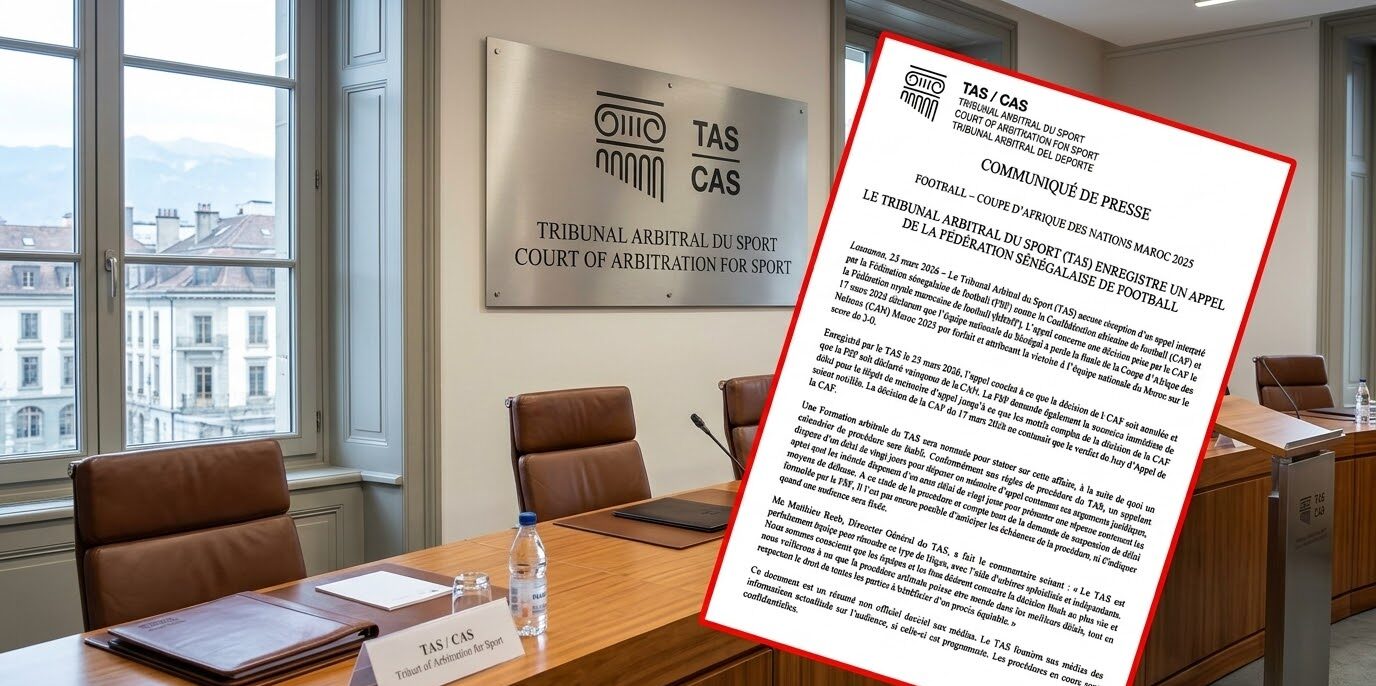
Tribunal Arbitral du Sport takes decisive step in Morocco vs Senegal football row

Key developments in the football dispute between Morocco and Senegal
The Tribunal Arbitral du Sport (TAS) has advanced proceedings in the ongoing football dispute between Morocco and Senegal. Following the submission of Senegal’s appeal brief by the Senegalese Football Federation, the international arbitration body has formally notified the Royal Moroccan Football Federation of the deadline for filing its defense response.
Next steps in the arbitration process
The timeline set by the TAS requires the Moroccan federation to submit its formal defense within a strict deadline. This procedural step marks a significant milestone in resolving the long-standing football-related contention between the two nations.
The dispute stems from a contentious football match that led to formal appeals being filed with the TAS by the Senegalese football authorities. The arbitration process aims to provide a definitive resolution to the matter, ensuring fair play and adherence to international football regulations.
Why this case matters for African football
Football disputes between African nations often draw international attention due to their implications for regional football governance and sports diplomacy. The TAS ruling in this case could set important precedents for how similar disputes are handled in the future across the continent.
What happens next?
With the defense submission deadline now established, the next phase of the arbitration process will unfold as follows:
- Defense filing: The Moroccan federation must submit its formal response by the specified deadline
- Evidence review: The TAS will examine both parties’ submissions
- Hearing preparation: If necessary, the tribunal may schedule hearings
- Final ruling: A binding decision will be issued to resolve the dispute
The outcome of this case will be closely watched by football officials, players, and fans across Africa and beyond, as it may influence future football governance and dispute resolution mechanisms on the continent.