
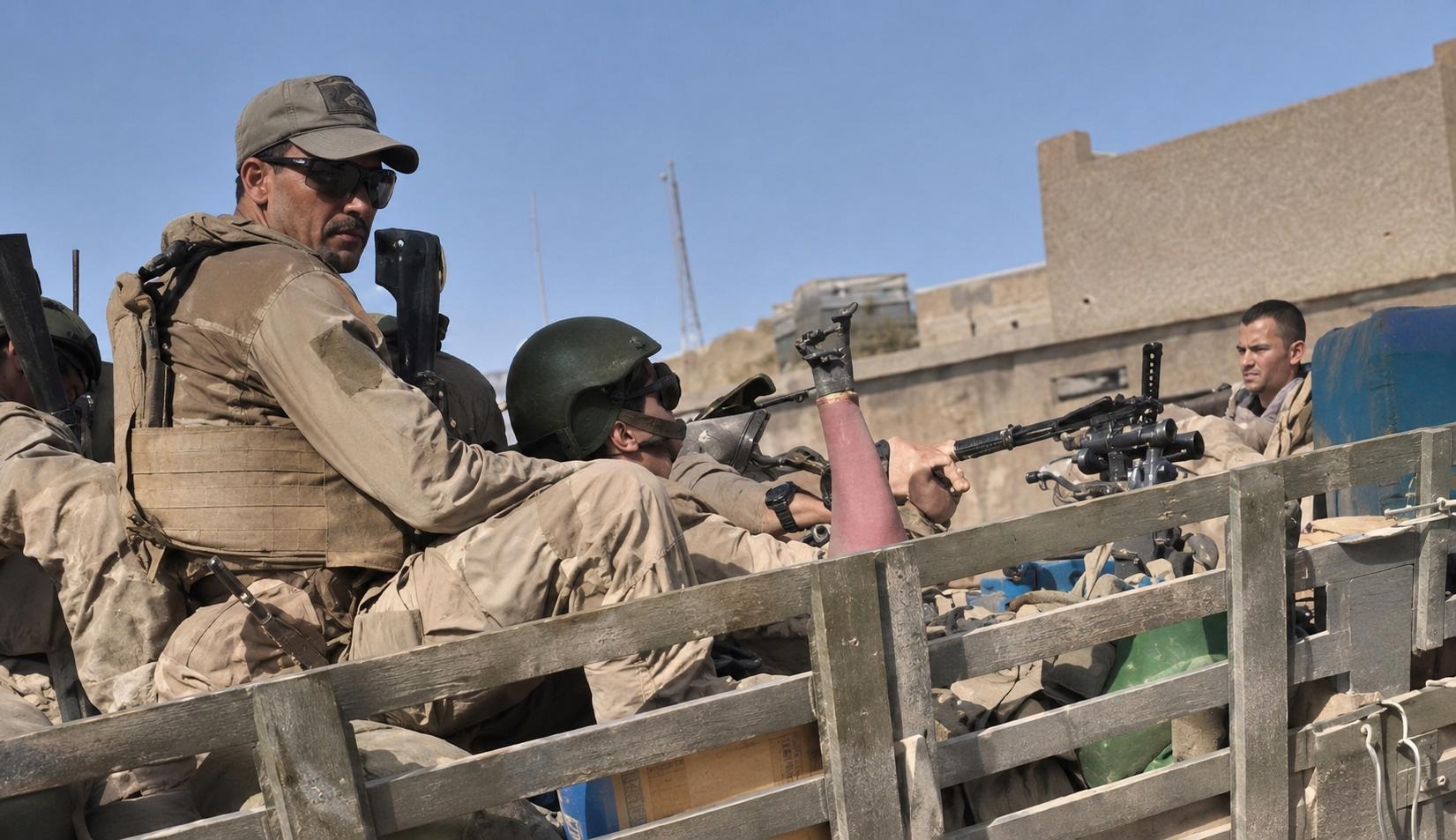
April 26, 2026, marks a pivotal moment in Mali’s recent history. On this day, the city of Kidal—once hailed by Bamako as a symbol of renewed national strength—fell back into rebel hands. Yet what unfolded was far more than a military setback; it revealed the stark reality of foreign involvement in the Sahel conflict.
A rapid collapse under coordinated assault
Everything unfolded over a single weekend in late April. A powerful coalition of rebel groups, including the FLA and the JNIM, launched a sweeping offensive stretching from Kati to Gao. Their goal was clear: overwhelm Malian forces and seize Kidal at all costs.
In the face of this coordinated assault, the Russian mercenaries—operating under the banner of Africa Corps—failed to live up to their reputation as unstoppable warriors. Instead of standing their ground, they prioritized their own escape.
The shameful retreat: a corridor to safety
Perhaps the most damning revelation was the behind-the-scenes negotiations between Russian commanders and rebel leaders. To ensure their safe withdrawal, the mercenaries made a deal:
- Abandoned positions: The Russians left behind strategic outposts and heavy weaponry.
- A negotiated exit: In exchange, rebels granted them a safe passage corridor to Gao, allowing the mercenaries to evacuate with their wounded.
This so-called repositioning left Malian soldiers—particularly the FAMa—completely exposed. Without air support or logistical backup, they were left to face the advancing rebels alone.
Why Russian mercenaries are not reliable partners
Kidal’s fall exposed a harsh truth: the Russian presence in Mali is driven by self-interest, not loyalty. Their priorities became glaringly clear:
- Profit over partnership: Moscow’s involvement is rooted in geopolitical influence and access to gold reserves. When risks escalate, they cut losses—even if it means betraying their allies.
- Questionable allegiances: Reports suggest some Russian operatives even engaged in talks with jihadist factions to secure their own safety during the final assault.
This raises a critical question: can a partner who negotiates with the enemy ever be trusted?
The end of a dangerous illusion
The withdrawal from Kidal in April 2026 shattered the myth of Russian military reliability in Mali. By choosing self-preservation over solidarity, the mercenaries proved they are not long-term allies—but opportunistic actors with no stake in Mali’s stability.