

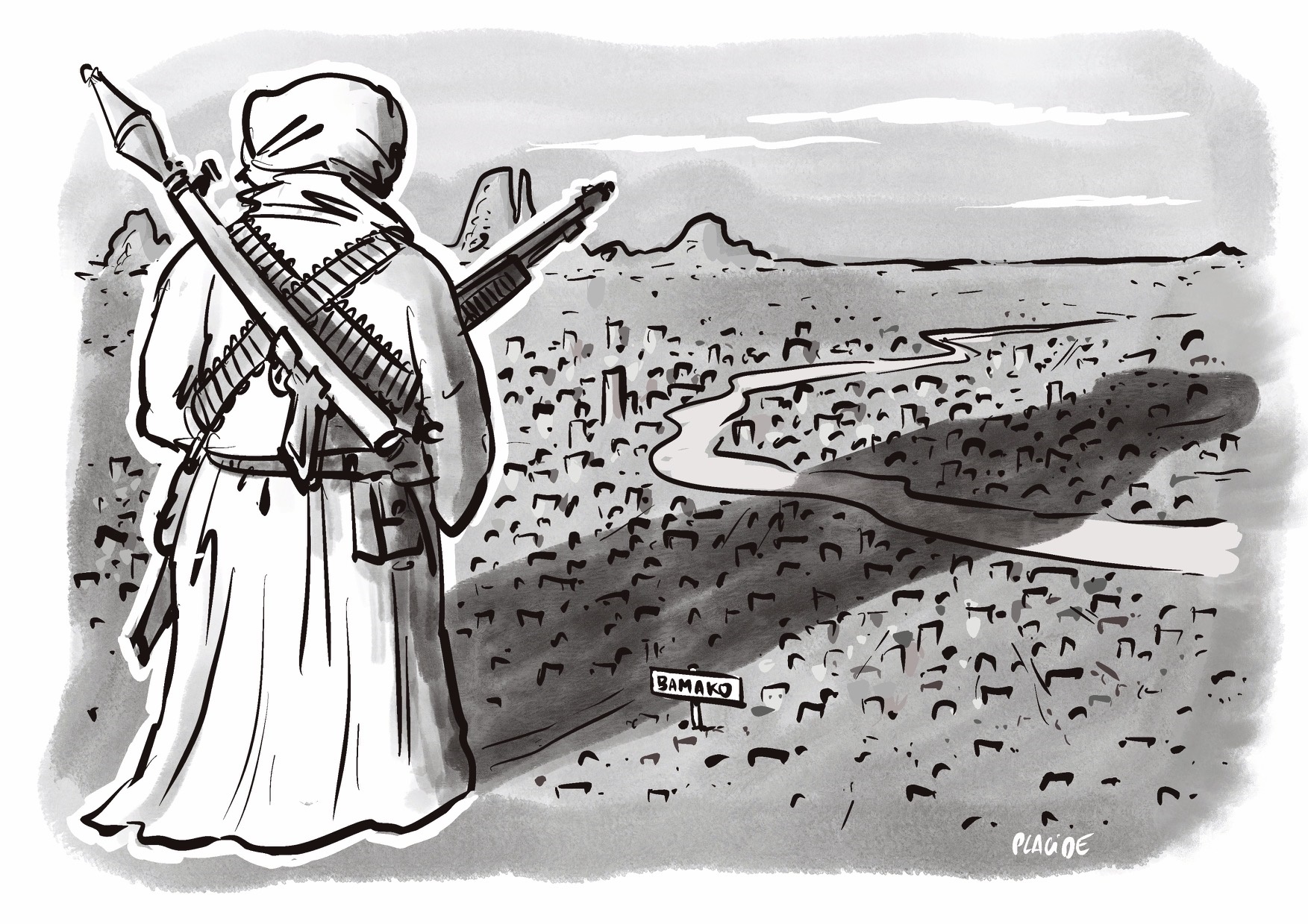
Residents of Mali marked Eid al-Adha this week under an atmosphere of palpable tension. The festive occasion, locally known as Tabaski, unfolded just days after a complex assault on April 25 that shook the military-led government and claimed the life of Defense Minister Sadio Camara. The Group for the Support of Islam and Muslims (JNIM) had issued fresh warnings of a potential “final assault” on Bamako, aiming to topple the current leadership.
Militant activity spikes during religious festivals
Historically, Islamist extremist factions have intensified operations during major Islamic holidays, believing such attacks enhance their perceived divine legitimacy. This year’s celebrations were no exception, with armed groups leveraging the occasion to amplify pressure on state institutions and civilian populations.
Economic and security pressures disrupt traditions
Across both urban and rural Mali, the cost of sacrificial animals has surged beyond reach for many households. In rural areas, armed factions have imposed informal “taxes” on livestock herders, seizing cattle under threat of violence. Meanwhile, Bamako has faced an unofficial boycott, with militants restricting the movement of goods and people into the capital—a strategy previously deployed in Burkina Faso and select Malian localities. While security forces have maintained critical supply routes, the psychological impact on residents remains palpable.
Neighboring Niger has also felt the ripple effects of this unrest. The country’s western regions, traditionally key suppliers of livestock to regional markets, have endured relentless attacks by both JNIM and the Islamic State in the Greater Sahara (ISGS). Over recent days, these groups targeted multiple military and civilian positions, exploiting the Nigerien army’s redirected focus toward northern responses near Kidal. The resulting casualties and economic disruptions have driven up meat prices even in Niamey, further straining local communities.
The convergence of these threats underscores the fragile security landscape gripping the Sahel, where seasonal celebrations are increasingly overshadowed by the relentless pursuit of militant agendas.