

N’Djamena’s scrap metal trade exposes children to exploitation
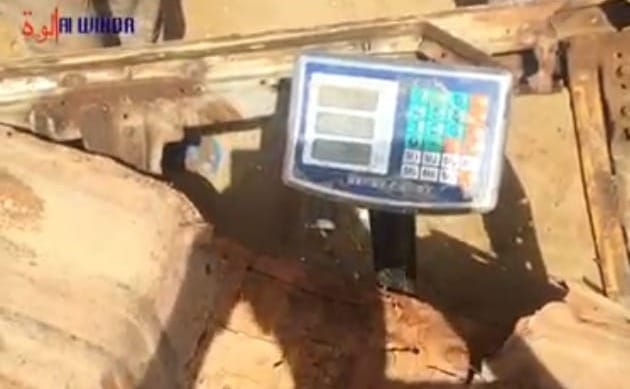
In N’Djamena’s bustling neighborhoods and dusty alleys, a familiar cry echoes through the streets: « Hadid kilo ! Hadid kilo ! » — the call of street vendors pushing carts overflowing with scrap metal. The informal scrap metal trade, known locally as « Hadid kilo », has surged across the Chadian capital, raising serious concerns about child exploitation and theft.
The trade, which involves buying and reselling scrap iron and other metals, has become a lucrative business for many, including itinerant traders — some of whom arrive from neighboring countries like Niger and Nigeria. Operating without proper permits or residency documents, these traders often prioritize quick profits before returning home, leaving little trace of their activities.
Children caught in the cycle of theft
What began as a survival tactic for struggling families has spiraled into a distressing trend: children as young as eight are being drawn into petty theft to feed the demand for scrap metal. Reports from across N’Djamena reveal alarming cases of minors selling household items to traders at shockingly low prices.
In Ngabo, a 10-year-old boy sold his mother’s gas cylinder for just 600 FCFA. In Ndjari, an 8-year-old parted with his younger brother’s bicycle for 250 FCFA. And in Zafaye, a child sold a component from his father’s car motor for 1,000 FCFA. These transactions, while small in monetary value, carry profound consequences — not only for the families involved, but for the children themselves.
Parents and community leaders warn that this trade is normalizing theft among youth, pushing them into dangerous cycles of behavior that threaten their safety, education, and future prospects. Many fear that without intervention, these children may be drawn deeper into crime, with long-term damage to their development and social integration.
Urgent calls for regulatory action
Residents are demanding immediate measures from local authorities to curb the exploitation of children in the « Hadid kilo » trade. Key demands include:
- Banning the purchase of scrap metal from children to cut off the supply chain fueling theft.
- Strengthening oversight on street vendors and scrap yards to prevent unregulated transactions.
- Enforcing age verification and monitoring in scrap metal markets.
- Launching public awareness campaigns to educate families and children on the risks of theft and exploitation.
Public health experts and educators emphasize that protecting children from economic exploitation is not just a moral duty — it is a foundation for building a safer, more stable society. Without swift and decisive action, the « Hadid kilo » phenomenon risks leaving an entire generation vulnerable to poverty, crime, and lost opportunity.