

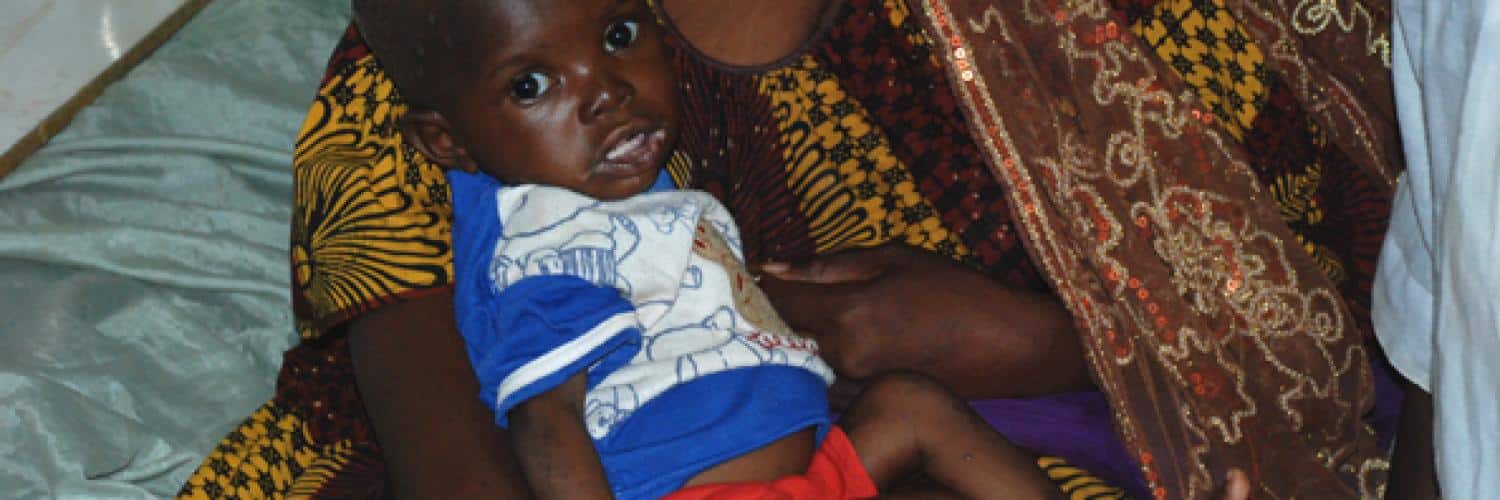
Understanding malnutrition in Mali and its far-reaching consequences
Widespread across Mali, malnutrition is a severe public health crisis in this Sahelian nation of 15 million people. Despite prevention efforts in recent years, several regions continue to face alarming rates of this silent epidemic.
Multiple regions in Mali grapple with malnutrition. In response, Malian authorities have intensified their efforts. With nearly one out of five Malian children not surviving past age five, the government has elevated nutrition to national priority status. Malnutrition’s consequences ripple through families and society, manifesting in short, medium, and long-term health and developmental challenges.
In many Malian households, closely spaced pregnancies contribute significantly to malnutrition among young children and mothers. The larger the family size, the greater the malnutrition prevalence becomes.
Exceeding global emergency thresholds
Acute malnutrition (both moderate and severe) affects 15% of Mali’s population, surpassing the international alert threshold of 10%. Chronic malnutrition strikes 38% of children under five, well above the 20% WHO emergency benchmark. Mali remains deeply entrenched in this health crisis.
Over 80% of Mali’s children under five and more than 65% of women suffer from iron deficiency, one of the highest rates worldwide. This crisis carries devastating implications: iron deficiency severely impairs children’s intellectual development and learning capacity. For expectant mothers, iron deficiency increases risks of delivering malnourished babies, creating an intergenerational cycle of malnutrition.
With 40% of Mali’s population affected, malnutrition has become a grave public health emergency demanding urgent action.
Key challenges and ongoing solutions
The Malian government has implemented a clear nutrition policy framework to combat this crisis through structured prevention and treatment programs.
“This policy framework includes targeted funding mobilization strategies to strengthen our nutrition programs.”
Notably, Mali has mandated universal salt iodization to combat iodine deficiency disorders. Currently, 79% of households have access to iodized salt, though still below the 90% target.
Since 2005, Mali has conducted twice-annual intensified nutrition weeks (INW), reaching 95% of the country. These campaigns specifically target children aged 6-59 months and have become embedded in community practices. The INW initiatives promote vitamin A supplementation and deworming tablets, significantly reducing child mortality rates.
The INW campaigns represent Unicef’s community-based approach for malnutrition prevention. Our organization trains communities to identify malnutrition symptoms, detect severe cases early, and ensure timely medical intervention. “To amplify impact, Unicef and partners integrate malnutrition screening into regular community health activities,” explains Médiatrice Kiburente Touré. She emphasizes the need to “continue educating communities about clean water benefits and addressing malnutrition’s root causes.”
By 2010, 50% of Malian children with severe acute malnutrition received care, with coverage gradually expanding.