
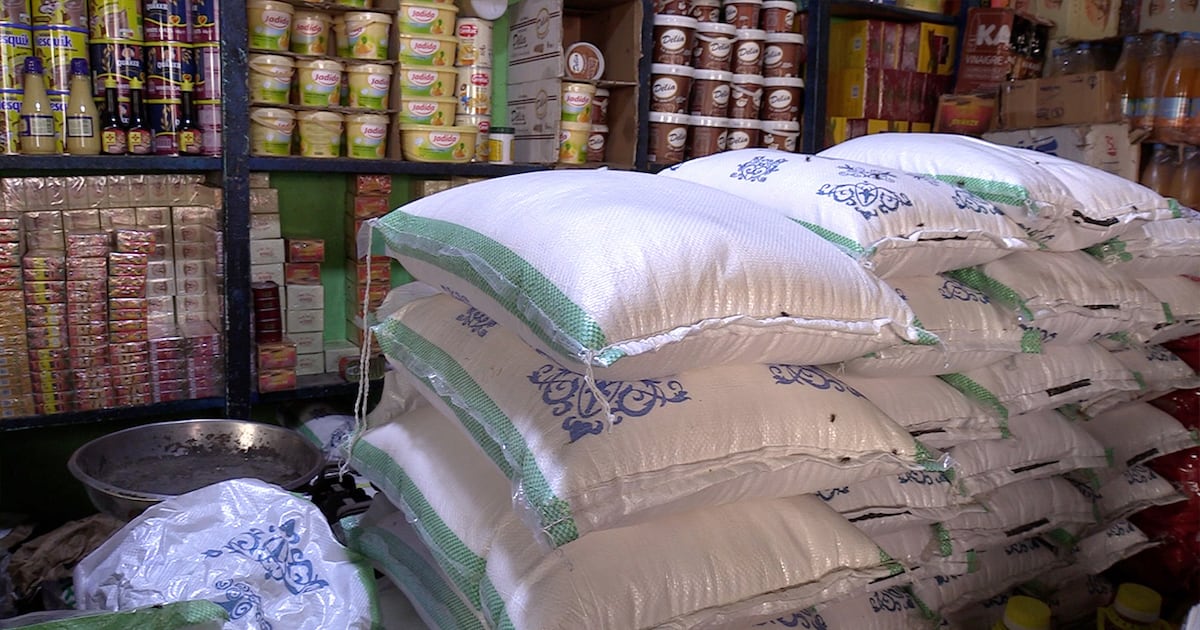
As the conflict in the Middle East continues to escalate, its ripple effects are being felt globally, including in Mauritania. To address rising concerns over food price volatility, Mauritanian authorities have rolled out an extensive price-monitoring initiative across the country. This proactive measure aims to curb unjustified price hikes on essential food items such as rice, oil, and sugar, ensuring affordability for consumers.
Government intervention to safeguard market stability
Teams of inspectors have been deployed nationwide, with a strong focus on Nouakchott. Their mission extends beyond mere price checks—they are tasked with overseeing market dynamics, managing stock levels, and protecting consumers from fraudulent practices. The initiative underscores the government’s commitment to maintaining economic stability amidst external pressures.
Consumer and trader perspectives on price trends
Aissata Bâ, a marketing agent handling imported food products like Kadi (bouillon), Jedida (butter), and Delia (chocolate), shared her insights: «Despite the global uncertainty, we’ve held firm on our pricing. No changes have been made to our products yet.»
Fatimetou mint Ahmed, a local consumer, echoed this sentiment: «Basic staples like oil, rice, sugar, and milk remain stable. While rumors circulate, the market hasn’t seen any real increases.»
Mohamed ould Bouh, a trader, added, «The market is calm, and prices are holding steady. There’s no tension or urgency to adjust costs.»
Strict penalties for market irregularities
The government’s crackdown on unscrupulous traders has already yielded results. By late March, authorities had shut down dozens of non-compliant businesses and imposed hefty fines. This decisive action aligns with a broader strategy to combat price gouging, anti-competitive behavior, and fraudulent activities in the marketplace.