
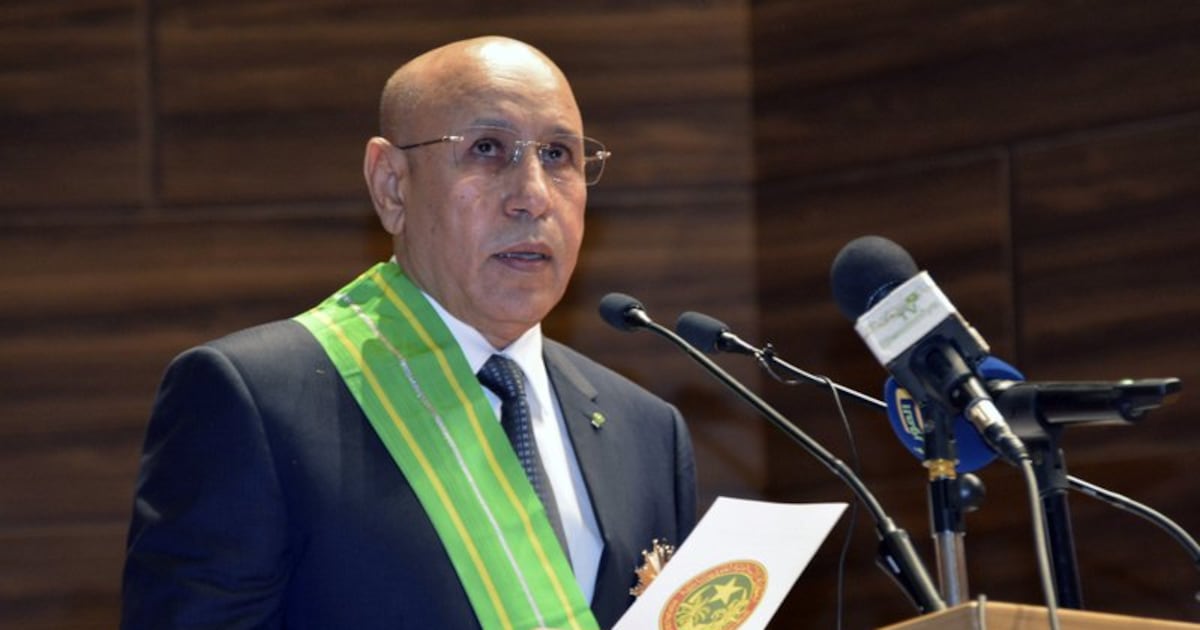
Mauritania’s ongoing national dialogue, spearheaded by coordinator Moussa Fall, extends beyond conventional approaches by embracing a broad spectrum of stakeholders. The active involvement of civil society is central to this initiative, aimed at fostering an inclusive governance model that enhances decision-making legitimacy and unlocks new development opportunities.
why a transformative dialogue matters
Amadou Doudou Diallo, former official at the Bureau Organisation et Méthode (BOM) of the Presidency, highlights a think tank report by Mauritanie Perspectives. The document advocates for a «breakthrough dialogue», distinct from past efforts, to create a platform for collaboration among all vital forces in Mauritanian society. This approach seeks to lay the groundwork for a state refoundation by addressing critical challenges. Diallo emphasizes the need for a robust mechanism to monitor and implement recommendations, ensuring tangible outcomes. He underscores that civil society acts as a vital bridge between authorities and citizens, amplifying the dialogue’s reach and impact.
civil society’s pivotal contributions
Houssein Dieng, administrator of the Cadre d’Échanges en République Islamique de Mauritanie (CERIM)—a debate forum—praises the President’s initiative. Dieng views dialogue as a powerful tool for leaders to navigate conflicts and antagonisms peacefully. CERIM’s participation focuses on pressing issues, including the humanitarian legacy and the persistent social challenge of slavery, both of which are pivotal to Mauritania’s future trajectory.