
Diplomacy
Morocco’s Parliament Joins PA-UfM Bureau, Chairs AI Commission
The Kingdom of Morocco has achieved significant recognition, being elected as a member of the Bureau of the Parliamentary Assembly of the Union for the Mediterranean (PA-UfM). Furthermore, Morocco was entrusted with the crucial presidency of the Artificial Intelligence Commission, a clear testament to the confidence placed in Moroccan parliamentary diplomacy and the prominent role its Parliament now holds within this vital Euro-Mediterranean body.
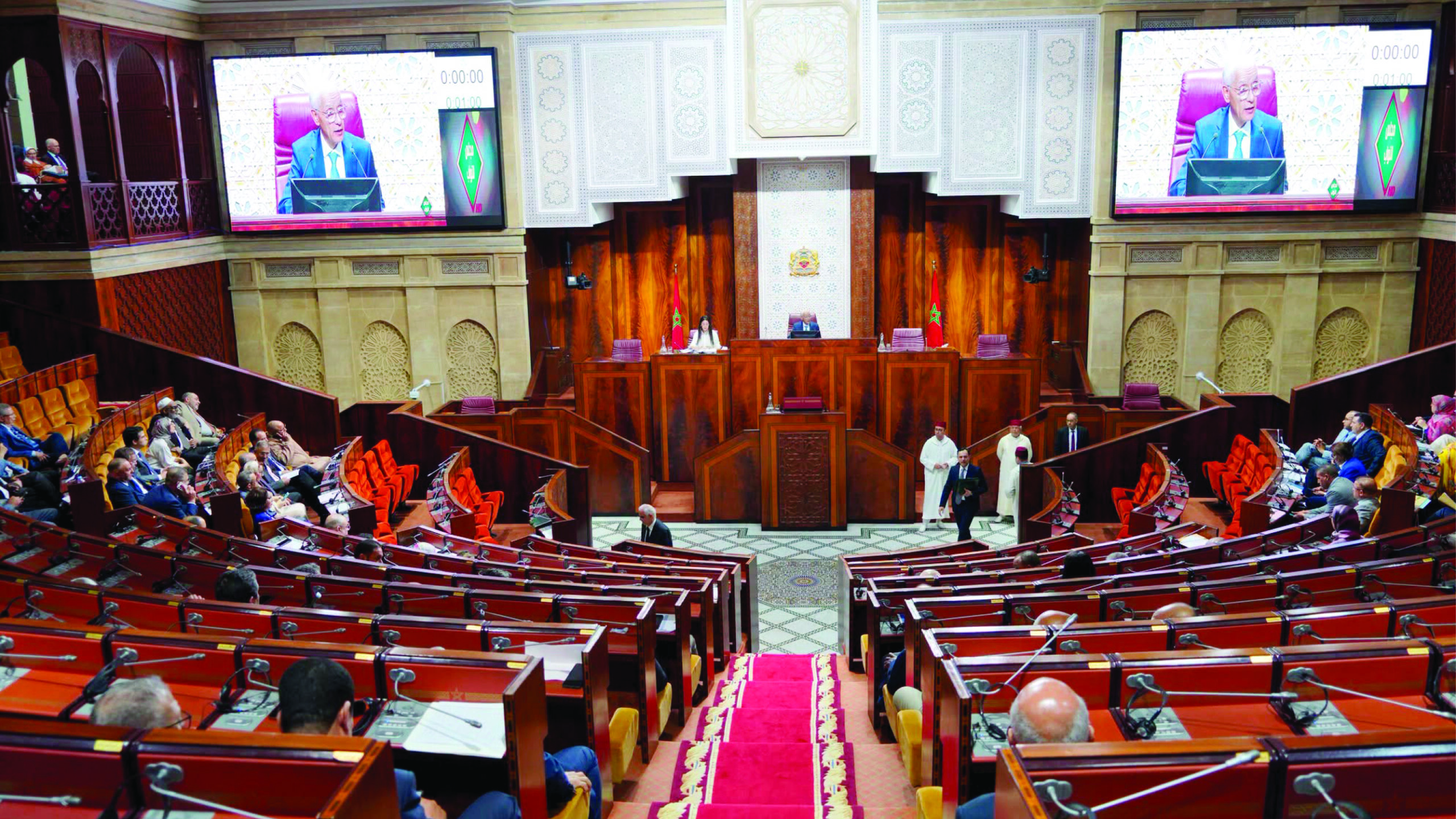
A distinguished Moroccan parliamentary delegation recently participated in the 10th Summit of Parliament Presidents and the 19th Plenary Session of the Parliamentary Assembly of the Union for the Mediterranean (PA-UfM). These significant gatherings took place over the weekend at the Egyptian Parliament’s headquarters in the new administrative capital, marking a crucial moment for regional cooperation.
Leading the delegation was Abdelmajid Fassi Fihri, the Vice-President of the House of Representatives, who adeptly utilized this opportunity to solidify the Kingdom’s influence and presence within the various bodies of the PA-UfM.
Concurrently with the main debates, a pivotal meeting of the Bureau and the enlarged Bureau convened. During this session, the plenary formally endorsed the new composition of the PA-UfM Bureau for the 2026-2030 term, alongside confirming the presidencies for its permanent commissions.
It was in this context that Morocco’s election as a Bureau member was confirmed, coupled with the significant responsibility of chairing the Artificial Intelligence Commission. This dual appointment underscores the profound trust vested in Morocco’s parliamentary diplomacy and its increasingly central role within the Euro-Mediterranean framework.
During the plenary session, Abdelmajid Fassi Fihri, speaking on behalf of the Moroccan Parliament, reiterated the enduring importance of the PA-UfM as a fundamental platform for fostering robust dialogue and cooperation among parliaments from both sides of the Mediterranean basin.
He further emphasized that the selection of key themes for discussion—including artificial intelligence, youth involvement, and parliamentary diplomacy aimed at promoting peace and stability in the Middle East—reflects a collective awareness within the Euro-Mediterranean parliamentary community. This awareness recognizes a period of profound transition, one that extends beyond mere technological shifts to encompass the redefinition of societal values, cultural dynamics, influence mechanisms, and decision-making processes.
Abdelmajid Fassi Fihri elaborated on Morocco’s ongoing trajectory, guided by the enlightened leadership of His Majesty King Mohammed VI. This includes a robust drive to modernize the national economy, fortify digital transformation initiatives, and advance technological infrastructure. This strategic vision firmly positions the knowledge economy as a primary catalyst for sustainable development, enhanced competitiveness, and the reinforcement of Morocco’s standing as a dependable partner across the Mediterranean, Africa, and the international stage.
The Moroccan delegation, which included prominent members such as Chaoui Belassal, Meriem Rmili, Houria Didi, Rabab Aïlal, Salwa Demnati, and Ibrahim Aâba, actively engaged in meetings across various organs and commissions. Their contributions enriched discussions on critical issues for the Mediterranean region, encompassing parliamentary diplomacy, artificial intelligence, youth engagement in decision-making, and the imperative of strengthening security, stability, and shared development.
The proceedings concluded with a unified call for sustained parliamentary coordination among member states. This included a strong emphasis on bolstering the PA-UfM’s role as a vital platform for dialogue and fostering trust, ultimately serving the collective goals of security, stability, sustainable development, and the shared prosperity of all Mediterranean peoples.