

Summarize
For decades, Morocco’s political landscape has been shaped by traditional power structures. Yet a new wave of engagement is emerging, with one leader at the forefront: Abdelilah Benkirane.
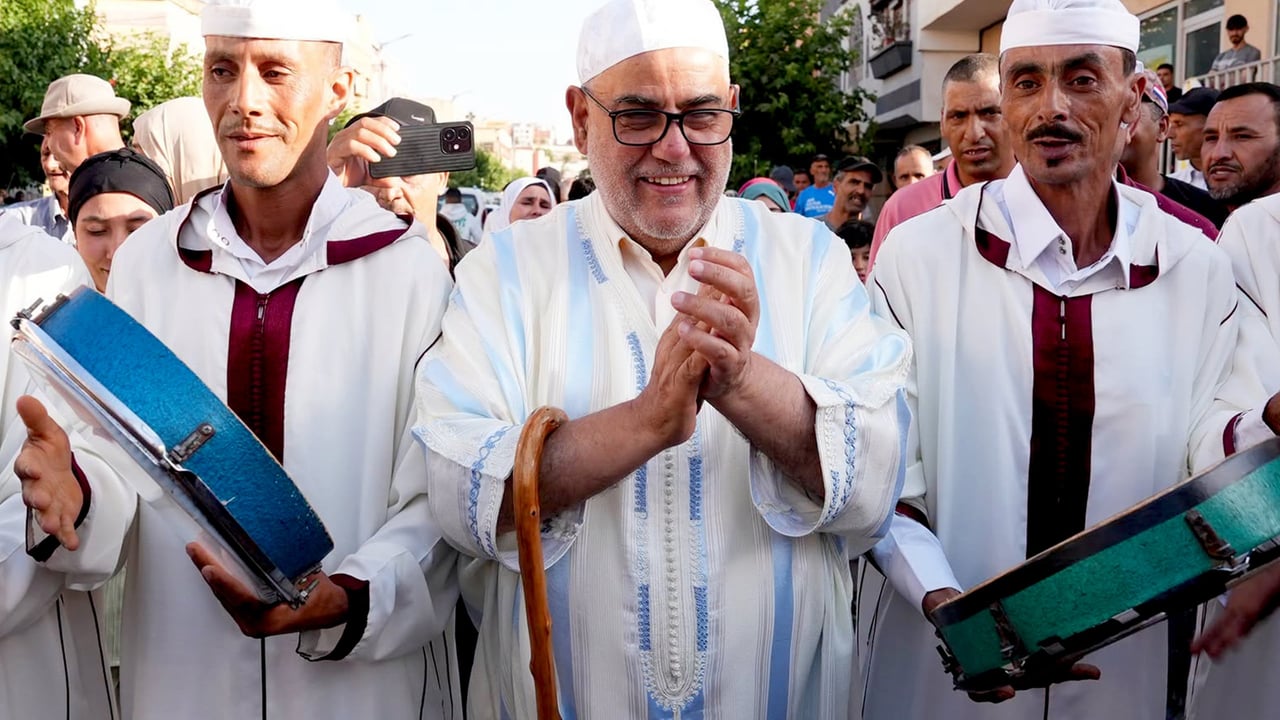
At 72, the former Prime Minister and head of the Party of Justice and Development (PJD) is defying expectations, expanding his influence far beyond his conservative base. His strategy? A multi-generational outreach that blends grassroots activism with digital savvy, appealing to both veterans of Moroccan politics and the Gen Z demographic that came of age in the digital era.
From mosque to mainstream: Benkirane’s evolving appeal
Benkirane’s journey from a hassaniyya-speaking imam in Rabat to a dominant figure in Moroccan governance reflects a remarkable evolution. His leadership of the PJD, once a niche Islamist movement, has transformed into a broader political force. Today, he navigates a delicate balance—maintaining the trust of long-standing supporters while courting younger voters who prioritize economic stability and social reform over ideological purity.
A platform that resonates across ages
The PJD’s messaging has undergone a subtle but significant shift. Where once its rhetoric centered on Islamic governance, today’s platform emphasizes pragmatic governance, anti-corruption measures, and economic resilience. This pivot has allowed Benkirane to position himself as a unifying figure in a fragmented political landscape.
Young Moroccans, in particular, are responding. Social media campaigns, youth-focused rallies, and targeted digital content have become central to the PJD’s outreach. Benkirane’s team has harnessed platforms like X and Facebook to broadcast messages in Darija and Amazigh, breaking down barriers that once limited the party’s appeal.
Challenges and controversies
Of course, such a broad strategy does not come without risks. Critics argue that Benkirane’s pivot toward younger voters risks diluting the PJD’s core identity. Others point to past controversies, including his vocal opposition to normalization with Israel, as potential liabilities in a shifting geopolitical climate.
Yet Benkirane remains undeterred. His ability to adapt—whether by embracing new communication tools or recalibrating his policy stances—has kept him relevant in an era where political allegiances are increasingly fluid.
The road ahead: What’s next for Morocco’s political veteran?
As Morocco grapples with economic pressures and social expectations, Benkirane’s strategy could serve as a blueprint for other parties seeking to modernize. His success or failure may well determine whether Morocco’s political future belongs to the old guard or the new.