
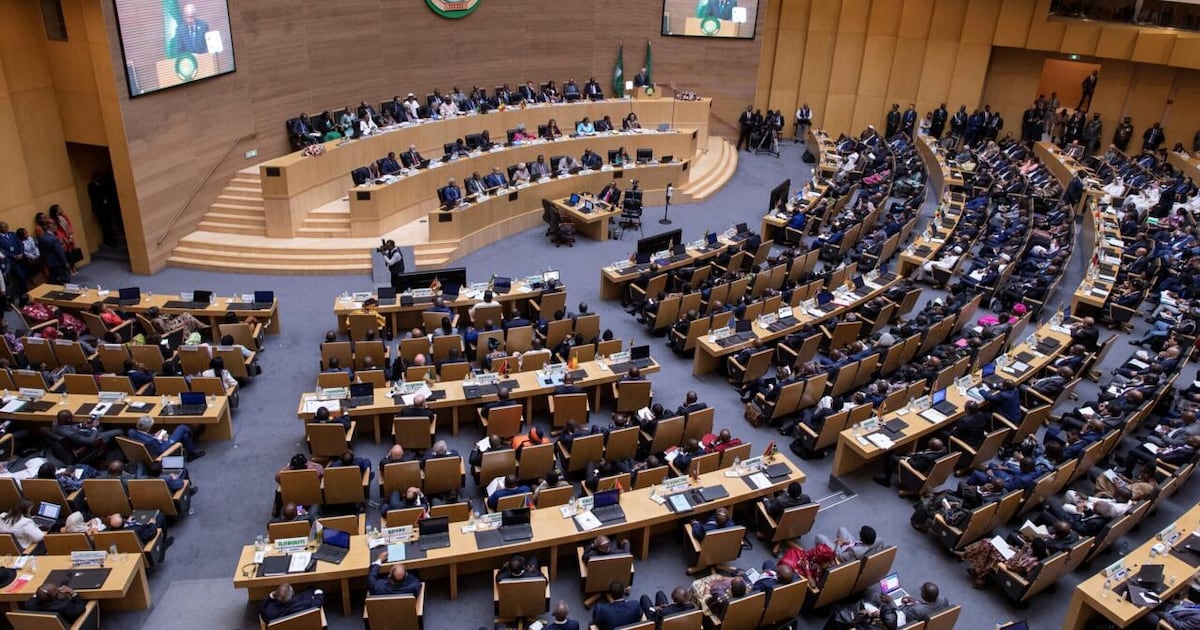
Since its historic return to the African Union in 2017, the Kingdom of Morocco has relentlessly bolstered its strategic influence within the continental body. Following extensive regional consultations across North Africa, the country secured key leadership roles in multiple AU organs and committees, reflecting its evolving role in continental governance.
Morocco now holds nine high-level positions, the highest number among North African nations in elective roles. Among these responsibilities, it serves as Vice-President of the ministerial committee overseeing African candidatures in international systems. Additionally, it occupies the Vice-Presidency of the Contributions Committee, a pivotal body responsible for assessing member states’ financial contributions.
In specialized technical committees that shape continental policy, Morocco plays a pivotal role in the Committee on Justice and Legal Affairs as well as the Committee on Economic Development, Tourism, Trade, Industry, and Mining Resources. The Kingdom also leads the Sub-Committee on Institutional Reforms and holds the Vice-Presidency of the Permanent Representatives Bureau dedicated to these reforms. Its engagement extends to the Sub-Committee on Human Rights, Democracy, and Governance, underscoring its commitment to core continental priorities.
Morocco’s influence further solidifies with its election to the Board of Directors of the African Centre for Migration Studies, enabling Moroccan experts to shape migration policies. This appointment aligns with the vision of King Mohammed VI, whose humanitarian and solidarity-driven approach to migration emphasizes shared responsibility—a cornerstone of Morocco’s diplomatic strategy.
Morocco’s reintegration into the African Union on January 30, 2017, after a 33-year absence (following its withdrawal from the Organisation of African Unity in 1984), marked a turning point in its continental engagement. This move ended decades of isolation and unlocked significant diplomatic victories, particularly in advancing its territorial integrity agenda. By shifting from a reactive to a proactive stance on the Sahara issue, Morocco neutralized adversarial maneuvers within AU bodies while positioning itself as a key advocate for African solutions.
The Kingdom’s pragmatic diplomacy has not only strengthened its institutional presence but also paved the way for robust bilateral partnerships across the continent. These agreements have fostered economic cooperation and regional cohesion, reinforcing Morocco’s role as a bridge between North and Sub-Saharan Africa.