
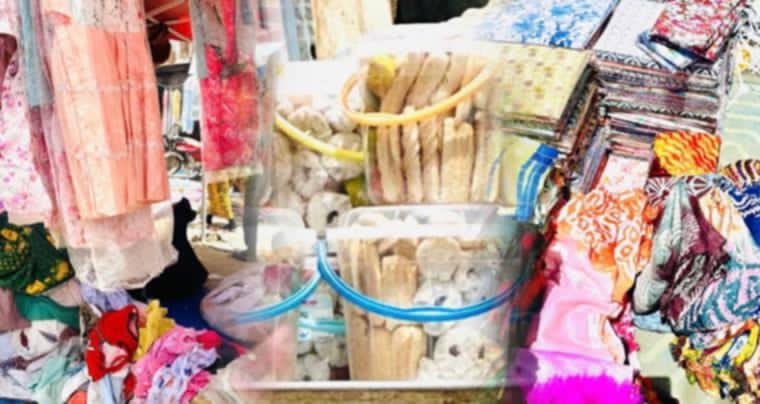
The capital city of Chad, N’Djamena, is buzzing with anticipation as Eid al-Adha, also known as Tabaski, approaches. Markets, streets, and livestock markets across the city are teeming with activity, despite rising prices this year.
Early risers swarm the markets, where vendors and buyers—both men and women—jostle through crowded stalls to purchase sheep, clothing, spices, kitchenware, and other essentials for the holiday. Motorbikes, cars, and carts clog major roads, creating heavy traffic in several key areas of the city.
In the livestock market, sellers display sheep of various sizes and prices, with lively negotiations drawing curious onlookers. Many families, undeterred by the increased costs, are making sacrifices to uphold the tradition of the Eid al-Adha ritual. Local traders report that the days leading up to the celebration mark one of their busiest commercial periods, with tailors working tirelessly to deliver new garments and henna artists welcoming long lines of customers.
Challenges amid celebration
While the festive spirit is palpable, the surge in activity has also led to traffic congestion and higher food prices. Authorities have urged residents to exercise caution, adhere to traffic rules, and remain vigilant to prevent accidents and disorder during this high-traffic period.
A time of unity and tradition
Beyond its religious significance, Eid al-Adha serves as a moment of solidarity, sharing, and family reunions for the people of N’Djamena. Festive decorations and preparations are already visible across neighborhoods, signaling the joyous atmosphere that will soon envelop the city.