
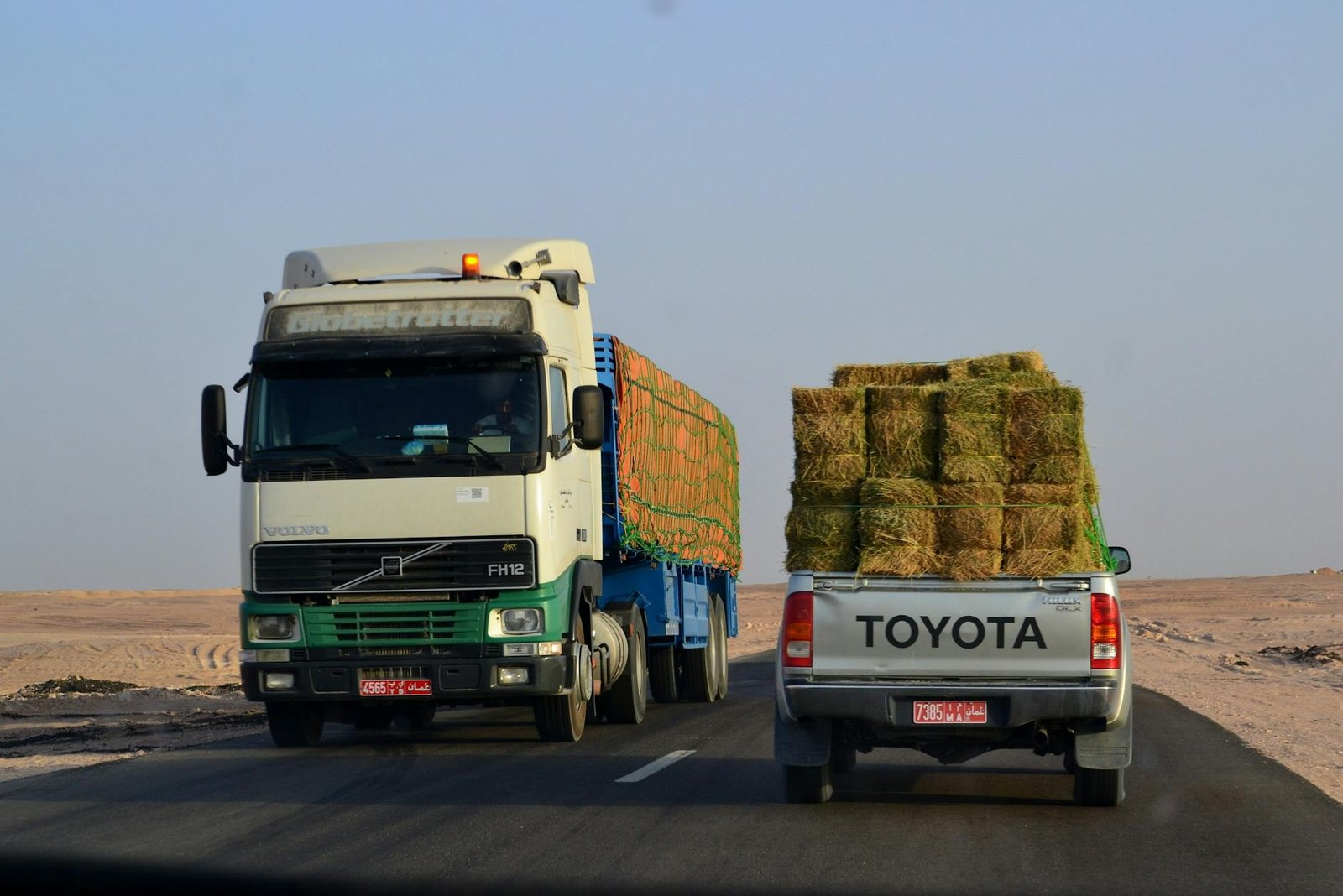
The capital of Chad, N’Djamena, is reviving a critical regional transit initiative that connects the city to Douala in Cameroon and Bangui in the Central African Republic (CAR). This ambitious logistical upgrade aims to streamline trade flows between these three nations, all of which rely heavily on the Port of Douala for their imports. The project’s scope extends beyond mere road infrastructure—it encompasses economic competitiveness, food security, and deeper integration within the Central African Economic and Monetary Community (CEMAC).
a lifeline for landlocked economies
For both Chad and the Central African Republic, the Cameroonian corridor serves as the backbone of their trade networks. Historically, nearly 90% of Chad’s imports pass through Douala, the subregion’s premier deep-water port. The 1,800-kilometer route from Douala to N’Djamena underpins most of the country’s external commerce. Any disruption—whether due to deteriorating roads, excessive bureaucratic hurdles, or security threats—quickly translates into higher consumer prices in Chad’s capital.
The Douala-Bangui corridor faces similar challenges, compounded by a decade of instability in northeastern CAR. Economic operators report delays of several weeks on certain segments, far exceeding the theoretical transit time of about ten days. These delays erode the competitiveness of goods and deter potential investors. While the World Bank and the African Development Bank (AfDB) have funded critical sections, systemic issues persist.
economic diplomacy in action
By relaunching this modernization drive, Chadian authorities are signaling a fresh political commitment. The initiative aligns with N’Djamena’s broader economic diplomacy, as President Mahamat Idriss Déby Itno seeks to strengthen Chad’s regional influence. The country aims to gain leverage in negotiations with Cameroon to improve transit fluidity, port tariffs, and convoy security. Bilateral consultations have already begun to standardize customs procedures, reduce checkpoints, and deploy electronic cargo tracking systems.
CAR is not being overlooked. Bangui, which also depends on Douala’s port, views enhanced trilateral coordination favorably. Joint discussions could lead to shared investments and a unified approach when engaging with technical and financial partners. However, translating political commitments into tangible outcomes remains a challenge amid severe budgetary constraints across all three nations.
structural hurdles to regional integration
Beyond political will, the success of this corridor upgrade hinges on deep-seated reforms. Pervasive roadblocks—long criticized by transporters—continue to plague the Cameroonian and Chadian axes. Redundant inspections, informal levies, and prolonged border crossings inflate transport costs and foster corruption. The long-awaited joint border post between Kousséri and N’Djamena, though repeatedly discussed, still awaits full operationalization.
Security remains a persistent concern. The Lake Chad region remains vulnerable to attacks by Boko Haram-affiliated groups, while northern CAR’s instability persists due to non-state armed factions. Without lasting stability, logistical promises will remain fragile. Additionally, competition from Nigeria’s Port Harcourt and, prospectively, Cameroon’s deep-water port of Kribi could reshape regional transit dynamics. Douala’s push for Kribi aims to absorb part of the trade currently routed through Douala, potentially necessitating a comprehensive reassessment of supply chains.
The Chadian initiative represents both a necessity and a complex undertaking. Its success will depend on the three countries’ ability to convert declarations into bankable projects, backed by international donors and paired with robust governance reforms.