
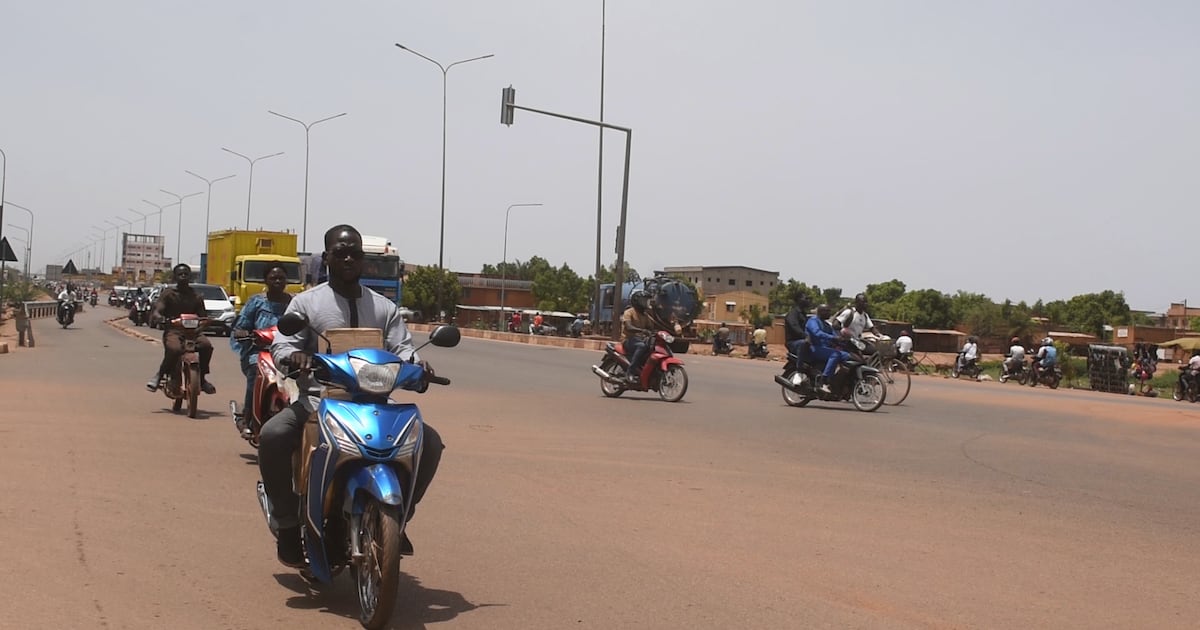
The recent authorization for Mio-style motorcycles to use bicycle lanes in Burkina Faso has ignited a wave of opinions across the country. While some commuters praise the move as a progressive step toward organized urban mobility, others express concerns about its practicality and safety implications.
why authorities introduced this regulation
For policymakers in Burkina Faso, this adjustment to traffic laws is designed to ease congestion on major roads. By diverting lightweight motorcycles—such as Mio models—onto dedicated bicycle paths, authorities aim to distribute road users more evenly and reduce bottlenecks during peak hours. Mio bikes, known for their compact size and fuel efficiency, are widely used for short urban trips, making them a natural fit for this initiative.
The government’s reasoning hinges on balancing traffic flow while accommodating the growing number of two-wheeled vehicles in cities like Ouagadougou. However, the success of this policy will largely depend on how well these lanes can be adapted to handle increased motorcycle traffic without compromising safety.
public divided on safety and infrastructure
Opinions among road users are sharply split. Ben Ouattara, a delivery driver, supports the decision, stating: “If the law already regulates motorcycle traffic, allowing Mio bikes to share bicycle lanes seems logical. It’s a reasonable way to manage congestion.”
Others, like Sirina Ouédraogo, a daily commuter, remain skeptical. She argues: “While the intention to protect road users is understandable, the current bicycle lanes are too narrow to safely accommodate all motorcycles. This could lead to more gridlock rather than less.”
Some users, however, see potential benefits. Abdoulaye Mané highlights a possible silver lining: “When confined to bicycle lanes, riders naturally exercise more caution. This could reduce accident risks in the long run.”
call for better infrastructure
Many commuters emphasize that simply rerouting motorcycles won’t solve Burkina Faso’s urban mobility crisis. Sergène Yabré, another road user, points out systemic issues: “Most people don’t fully understand traffic rules. Some ride in the wrong direction, speed excessively, or ignore lane discipline—especially on main roads. The problem isn’t just space; it’s awareness and enforcement.”
The consensus among critics is clear: bicycle lanes must be widened and properly marked to safely integrate motorcycles. Without these upgrades, the policy risks creating new hazards rather than easing existing ones. Expanding these paths could not only improve safety but also serve as a long-term strategy to combat the city’s chronic traffic jams.
As Burkina Faso continues to grapple with rising motorcycle numbers, this policy marks a bold but contentious experiment in urban transport reform. Whether it succeeds will depend on infrastructure improvements, public compliance, and sustained enforcement.