

Residents in Niamey, Dosso, and Tillabéri are currently facing significant electricity supply issues. The Société nigérienne d’électricité (NIGELEC) has identified a technical malfunction within the Zone Fleuve electrical system as the cause of these widespread interruptions.
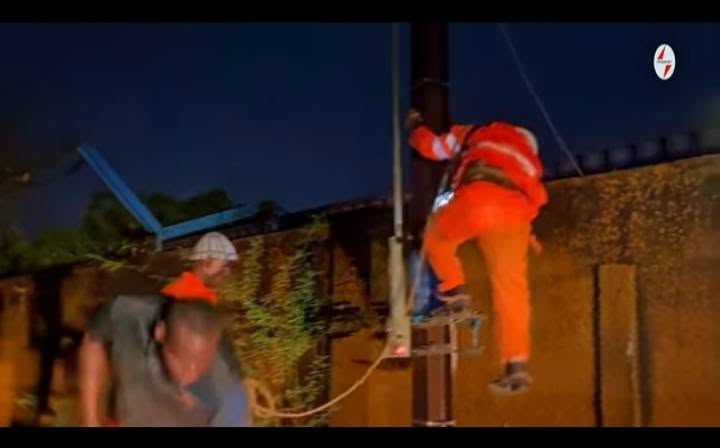
The utility provider noted that the failure began at approximately 1:50 AM. In response, technical units were immediately dispatched to the site to begin the restoration process and ensure that service returns to the affected areas as quickly as possible.
While the repairs are underway, NIGELEC has activated local power generation facilities to minimize the impact on consumers. The company expressed its regrets for the inconvenience caused by this situation and confirmed that its teams are working tirelessly to resolve the technical incident.
Careful management of the technical crisis
In the wake of this emergency, NIGELEC management is taking a measured approach to communication, aiming to reassure a frustrated public. Although the company has localized the fault to the critical Zone Fleuve network, the specific nature and root cause of the breakdown have not yet been made public.
Behind the scenes, engineers are engaged in a race against time to diagnose and fix the core issue. Acknowledging the heavy toll these outages take on both domestic life and the local economy, the utility is asking for patience while the main infrastructure is secured and brought back online.
A shutdown affecting strategic regional hubs
The consequences of this technical failure are far-reaching, as it impacts the administrative and economic heart of Niger. By affecting Niamey, Dosso, and Tillabéri, the outage threatens essential services. To prevent a complete blackout and maintain operations at hospitals, government offices, and commercial centers, NIGELEC has prioritized emergency local production.
This reliance on secondary power sources, though not enough to meet the full demand of the regions, acts as a vital stopgap. It serves to protect critical infrastructure until the regions can be fully reintegrated into the national power grid.