
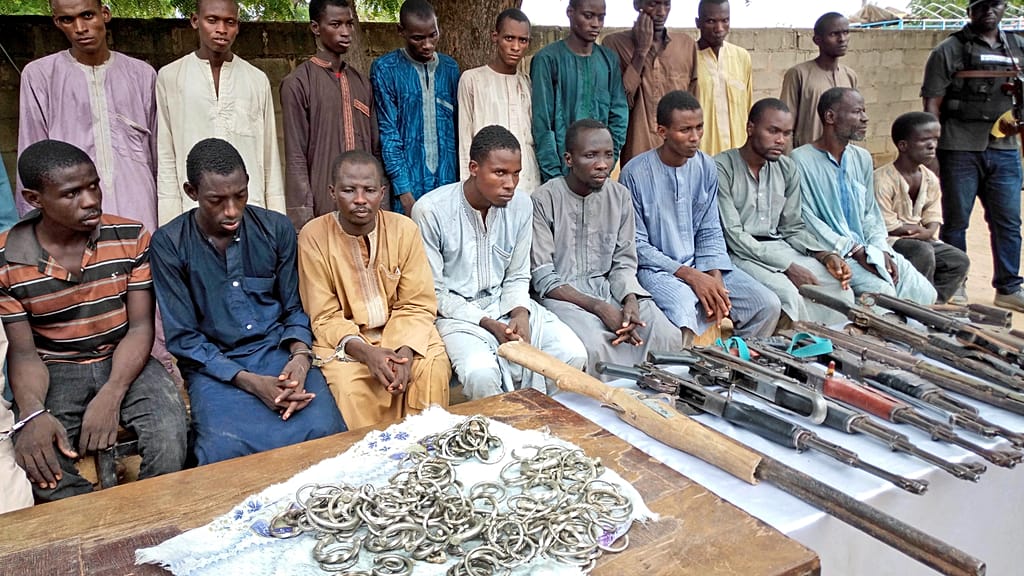
In a landmark initiative, authorities in Borno State, northeastern Nigeria, have successfully reintegrated nearly 10,000 former Boko Haram fighters into society through a government-backed rehabilitation and deradicalization program. The announcement came as 720 ex-combatants graduated from a reintegration center in Maiduguri, the state capital, during an official ceremony attended by local officials.
With this latest batch, the total number of former insurgents who have completed the program now stands at 9,680, according to Borno State authorities. The initiative is part of a broader strategy to weaken jihadist groups operating around Lake Chad by encouraging defections and civilian reintegration.
The ceremony, held at the Maiduguri reintegration facility, featured former fighters taking an oath of commitment before being formally released from the program. Hundreds gathered at the center, marking a significant step in the state’s efforts to transition former militants back into productive lives.
From conflict to community: the rehabilitation journey
Boko Haram’s insurgency, which began over a decade ago in Nigeria’s northeast, has left tens of thousands dead and displaced millions across the country and neighboring regions. While military operations have significantly degraded the group’s capabilities, armed factions continue to carry out sporadic attacks in parts of the region.
State officials emphasize that rehabilitation and reintegration programs are vital to ending the conflict and fostering long-term stability in affected communities. By offering former fighters a path back to civilian life, the government aims to reduce recruitment and isolate the remaining insurgent elements.
Sustaining peace through social reintegration
The reintegration process includes vocational training, psychological support, and community engagement initiatives designed to help former combatants rebuild trust and contribute positively to society. Authorities report that participants receive skills training in trades such as carpentry, tailoring, and small business management, alongside access to counseling and reconciliation programs.
While challenges remain—particularly in ensuring former fighters are accepted back into their communities—the Borno State government remains committed to scaling up these efforts as part of a comprehensive peace-building strategy.