
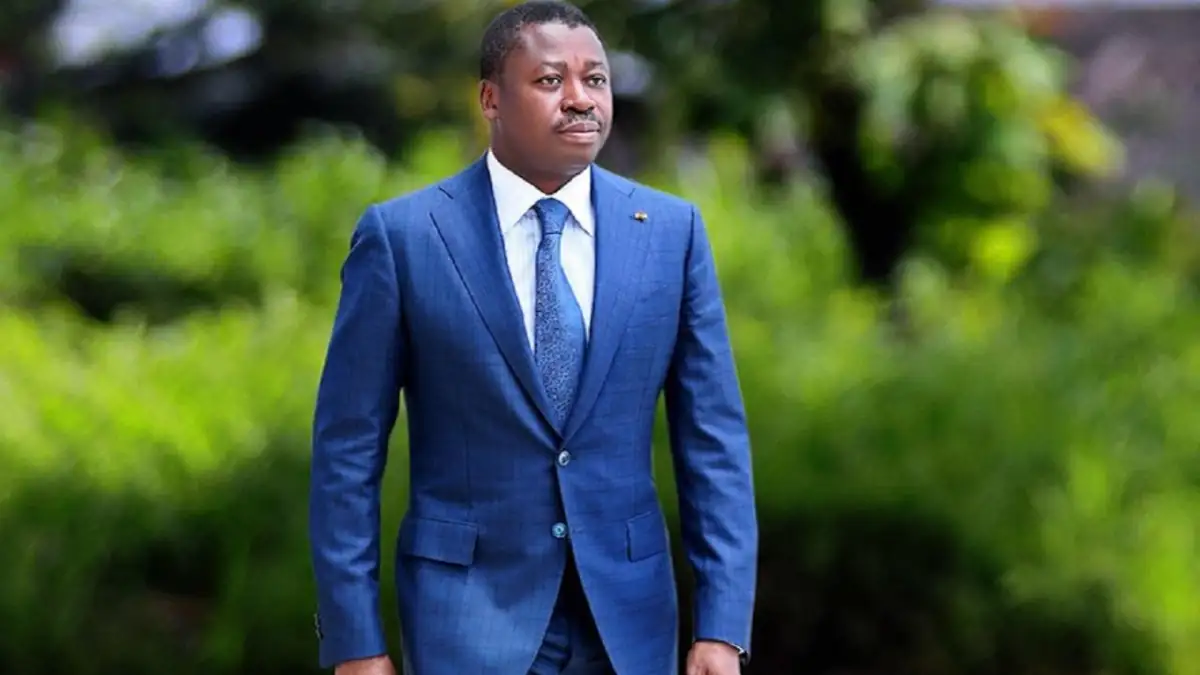
The Nuclear Energy Innovation Summit for Africa is currently underway in Kigali, Rwanda’s capital, gathering high-level African leaders to discuss the continent’s energy future. On May 19, Togolese President Faure Gnassingbé outlined his vision for nuclear energy in Africa, advocating for a balanced partnership model between African nations and international energy stakeholders amid rising nuclear ambitions across the continent.
African nations seek a new role in global nuclear energy negotiations
The Togolese leader’s remarks reflect a broader shift in Africa’s approach to nuclear energy, moving away from traditional aid-based models toward mutually beneficial cooperation. « Africa is not seeking handouts of technology. Instead, it offers a partnership, a market, and a mature vision of its own energy future », he stated before delegates.
Civil nuclear expansion accelerates across the continent
A growing number of African countries are advancing their civil nuclear programs to address soaring energy demand and persistent electricity access gaps. Egypt is constructing the El Dabaa nuclear power plant with international technical and financial support, while South Africa remains the continent’s sole operator of the Koeberg nuclear facility.
According to the International Atomic Energy Agency, multiple African states are in talks with foreign partners to develop nuclear power generation capabilities, prioritizing energy security and long-term sustainability.
Leveraging Africa’s uranium wealth while tackling dependency
Africa holds significant uranium reserves, with Niger and Namibia among the continent’s key producers. These resources are critical for nuclear fuel, yet most African nations still rely on foreign technology for reactor design, construction, and operational management. Current projects depend heavily on partnerships with nations boasting advanced nuclear industries.
Key challenges: expertise, regulation, and funding
Discussions at the summit highlighted critical prerequisites for successful nuclear development in Africa. Strengthening human capital—through specialized engineering training and nuclear safety personnel—was a top priority. Establishing independent regulatory bodies emerged as another essential step before any civil nuclear infrastructure can be deployed.
Financing remains a major hurdle, with multi-billion-dollar projects spanning over a decade. The next phase will focus on finalizing cooperation agreements announced during the summit and launching national nuclear development roadmaps in several African countries.