
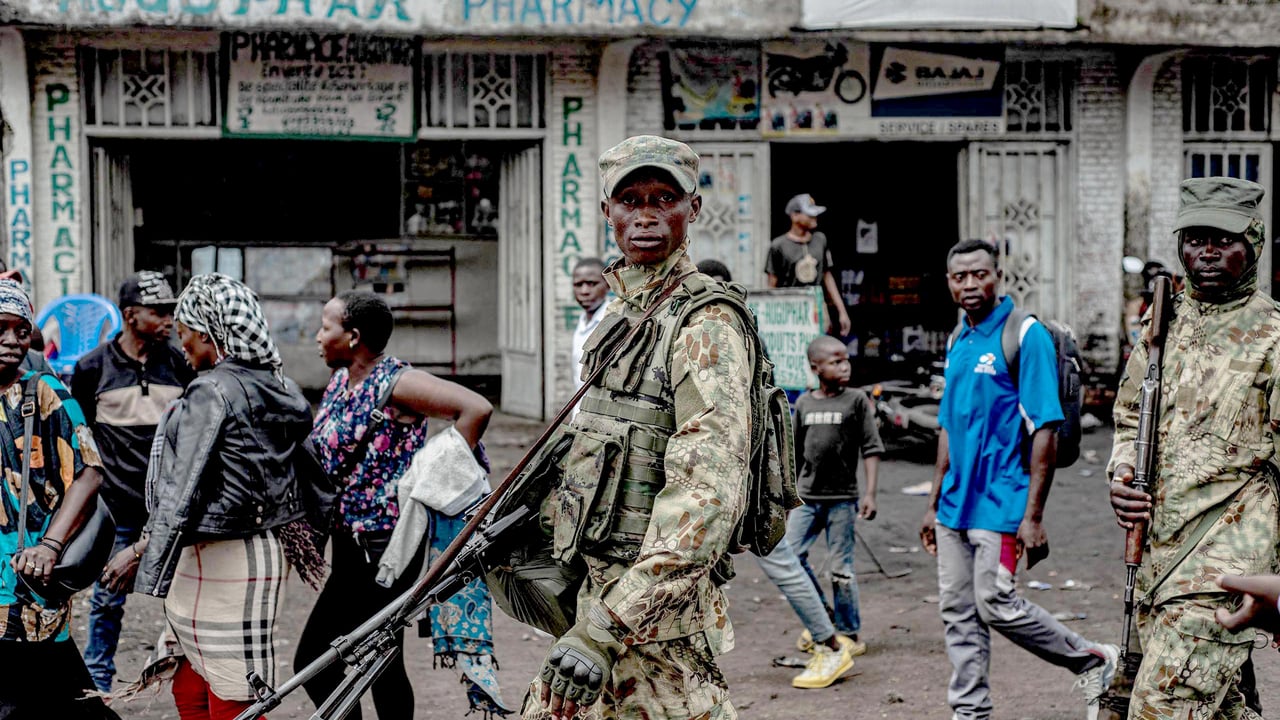
A full year has passed since the diplomatic initiative led by Donald Trump to bridge the divide between the RDC and Rwanda. This high-stakes agreement was designed to bring a definitive end to the tensions paralyzing the Great Lakes region, yet the results today present a nuanced picture of successes and persistent challenges.

The geopolitical stakes for Tshisekedi and Kagame
The relationship between Félix Tshisekedi and Paul Kagame has been the focal point of this peace process. While the agreement initially fostered a period of relative calm, the underlying issues regarding border security and the influence of armed groups like the M23 and the AFC continue to test the resolve of both leaders. The involvement of the United States under the Trump administration added a layer of international pressure that had been missing in previous mediation attempts.
Security dynamics in Goma and the M23
In the streets of Goma, the presence of the M23 serves as a stark reminder of the fragile nature of regional stability. Despite the diplomatic framework established a year ago, the group’s movements and territorial control remain a primary concern for local populations and international observers alike. The goal of the accord was to dismantle these tensions, but the path to lasting peace in the eastern RDC remains steep.
- Félix Tshisekedi continues to navigate internal political pressure while managing the external security threat.
- Paul Kagame maintains a stance focused on Rwanda‘s security interests, often at odds with Kinshasa’s narrative.
- The M23 and AFC remain active players that the peace agreement has yet to fully neutralize.