
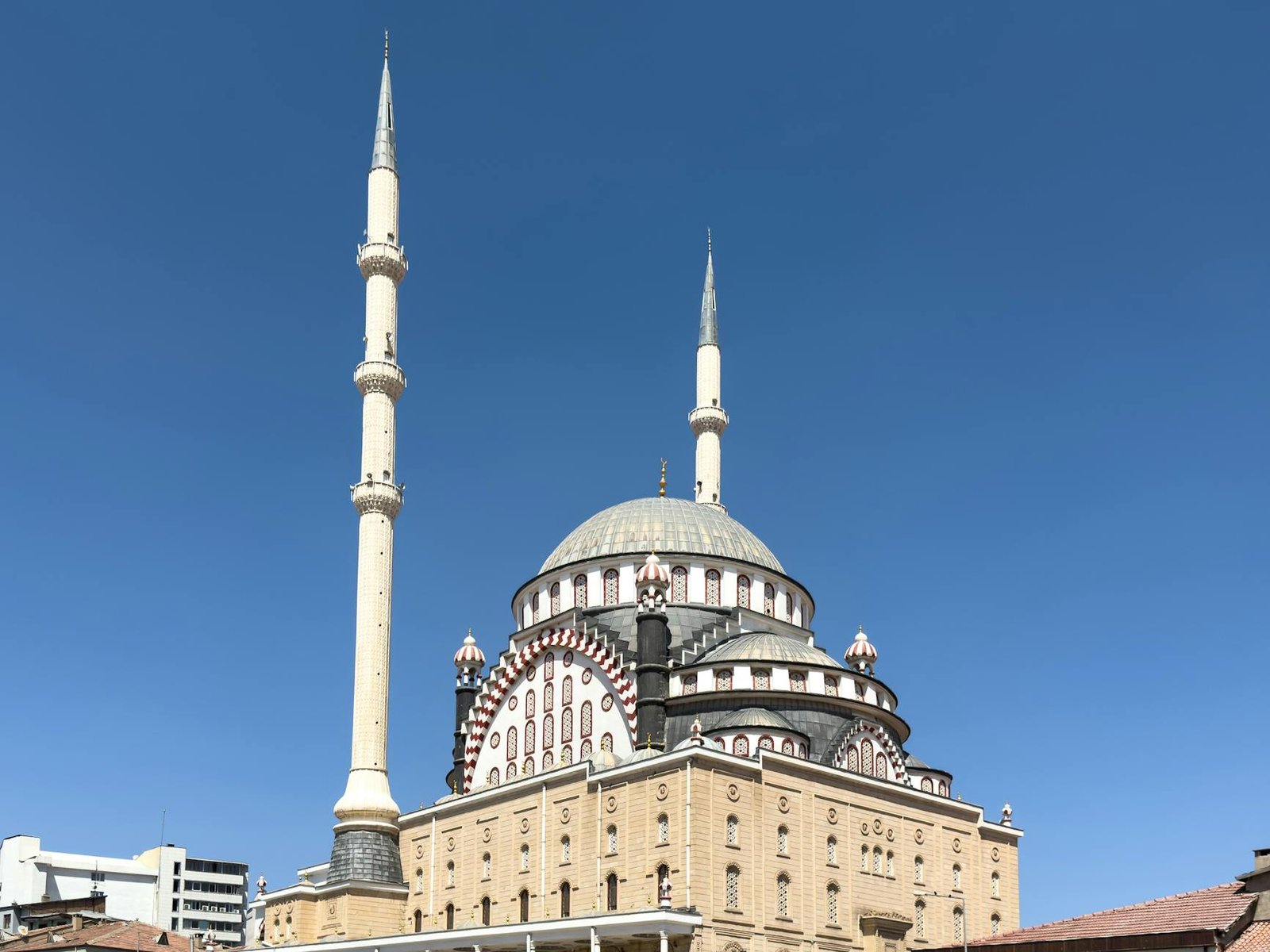
The grand Sunni mosque of Ouagadougou, a cornerstone of Muslim worship in Burkina Faso’s capital, has been cordoned off by security forces since May 29. The transitional government, led by Captain Ibrahim Traoré, has indefinitely shuttered the site citing public order concerns. Barriers now encircle the mosque, with armed personnel preventing any gatherings, including those typically held for major prayers.
The timing of this decision coincides with a highly sensitive period in the Islamic calendar—just before Tabaski, the local name for Eid al-Adha. Earlier this week, hundreds of worshippers gathered outside the mosque, demanding answers about their missing imam, whose disappearance has gone officially unexplained. Such protests are rare in a country where civic freedoms have tightened since the 2022 coup, and the unrest appears to have hastened the government’s response.
Days of unrest over a vanished spiritual leader
Closing the mosque wasn’t an isolated move but capped a week of escalating tensions over the imam’s fate. Authorities have yet to disclose details about his disappearance, and no official statement has confirmed whether security services detained him. In recent months, Burkina Faso has seen a rise in cases where critics—including judges, journalists, and community leaders—have faced military summons or prolonged detention under expanded counterterrorism laws.
Political messaging before a sacred holiday
The timing of the closure sends a strong signal. By shutting down a mosque of such prominence on the eve of the country’s most important Muslim festival, the government appears to be asserting authority over a community that holds both demographic and symbolic significance in Burkina Faso, where Islam is the majority faith. The Sunni mosque is more than a structure—it’s a hub for the nation’s Sunni movement, often drawing thousands for congregational prayers.
This action reflects the junta’s struggle to balance internal governance amid ongoing armed insurgencies across several regions. Since 2022, the military leadership has sharpened its stance against dissent, whether from civil society, suspended political parties, or now, religious groups. Rarely do authorities close a mosque for public order reasons, a move that risks deepening perceptions of religious freedom restrictions.
Preserving Burkina Faso’s fragile interfaith harmony
Historically, Burkina Faso has stood out in West Africa for its interfaith coexistence among Muslims, Christians, and followers of traditional beliefs. But this balance, already strained by jihadist violence that targets mosques and churches alike, could face further strain if the standoff between the state and the Sunni community escalates.
Observers of the transition warn that the next steps will be critical. A swift reopening of the mosque, clarity on the imam’s status, and dialogue with Sunni leaders could ease tensions. Conversely, prolonging the security lockdown risks uniting a community that has largely remained on the sidelines of public dissent. Worshippers continue to demand answers about their missing leader, underscoring the growing unease.