
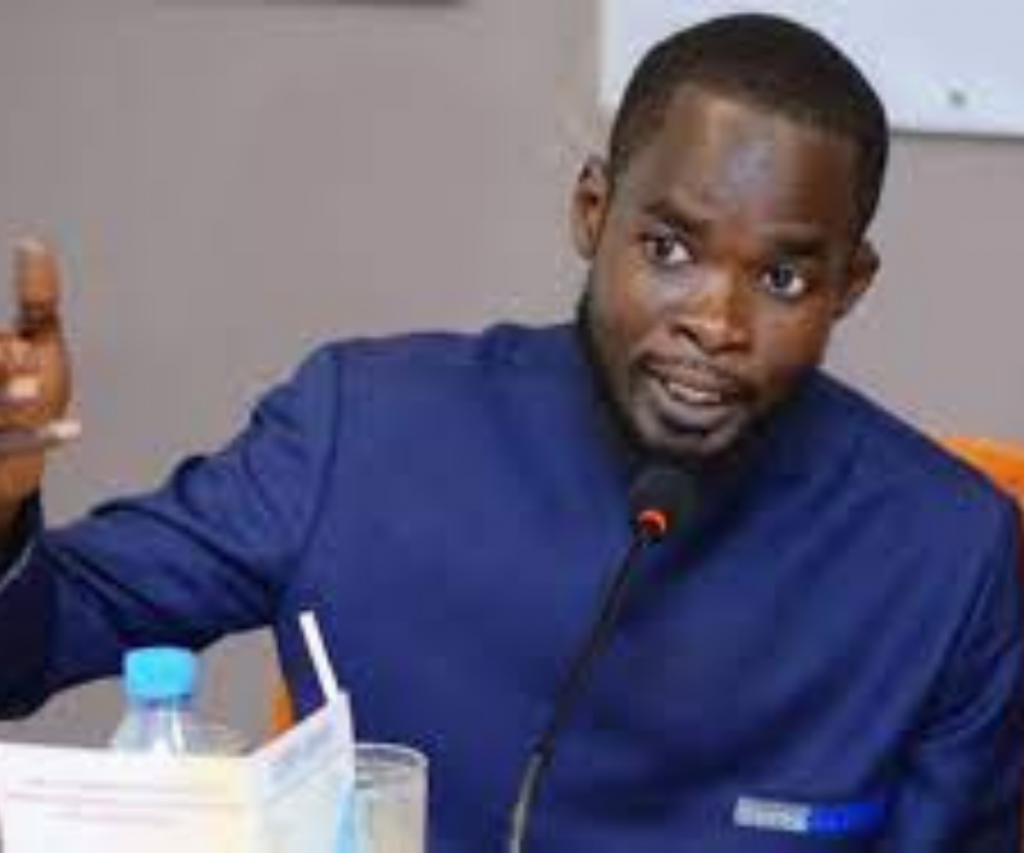
Controversy Surrounds Ndiaga Seck’s Arrest as Politicians Condemn Targeted Attacks on Ousmane Sonko
The recent detention of prominent political figure Ndiaga Seck has ignited fierce debates across public platforms, with authorities pursuing charges related to alleged unnatural acts. Following his indictment by a Louga-based investigating judge on Monday, Seck was remanded into custody, sparking immediate backlash from legal advocates and political observers alike.
Amid the unfolding developments, social media users and certain digital publications have attempted to draw a dubious connection between Seck’s case and Prime Minister Ousmane Sonko—a narrative that has drawn sharp criticism from Babacar Ba, Chairman of the Forum of Rights Activists (FJA).
Defending Institutional Integrity Against Unfounded Accusations
In a forceful statement, Ba condemned what he described as a deliberate attempt to discredit Sonko by linking him to an unrelated legal matter. “As the nation’s Prime Minister, Ousmane Sonko embodies the very institution of government,” Ba asserted. “Any attempt to tarnish his reputation through baseless associations is not only unacceptable but fundamentally undermines the principles of a lawful state.”
Ba emphasized that Seck’s arrest on grounds of alleged misconduct cannot—and should not—serve as a pretext to drag Sonko into the controversy. “Such tactics violate the core tenets of justice and transparency, which are non-negotiable in a functioning democracy,” he declared.
Legal experts and political analysts are now weighing in on the implications of these accusations, with many warning that weaponizing legal proceedings to settle political scores risks eroding public trust in state institutions.
Broader Concerns Over Political Weaponization of Justice
The case has reignited longstanding debates about the politicization of Senegal’s judicial system, particularly in high-profile disputes involving opposition figures. Critics argue that selective prosecutions and media-driven smear campaigns are becoming increasingly common, with potential to destabilize the country’s fragile political equilibrium.
As the discussion intensifies, calls for restraint and adherence to due process are growing louder, with civil society leaders urging authorities to prioritize evidence-based investigations over politically motivated narratives.