
The visionary journey of Pierre Mabé: how a Cameroonian journalist shaped Chad’s media landscape
In the early days of Chad’s independence, President François Tombalbaye sought to modernize the country’s communication infrastructure. His ambitious project centered on transforming the aging France-Libre relay station in Fort-Lamy into a dynamic national broadcaster.
When Chad gained independence, President François Tombalbaye envisioned a bold transformation for the nation’s communication sector.
Determined to establish a modern broadcasting system, he turned to France’s Société de Radiovision d’Outre Mer (SORAFOM) during a visit to Paris. His request was clear: “I need a skilled journalist to establish Radio Tchad.”
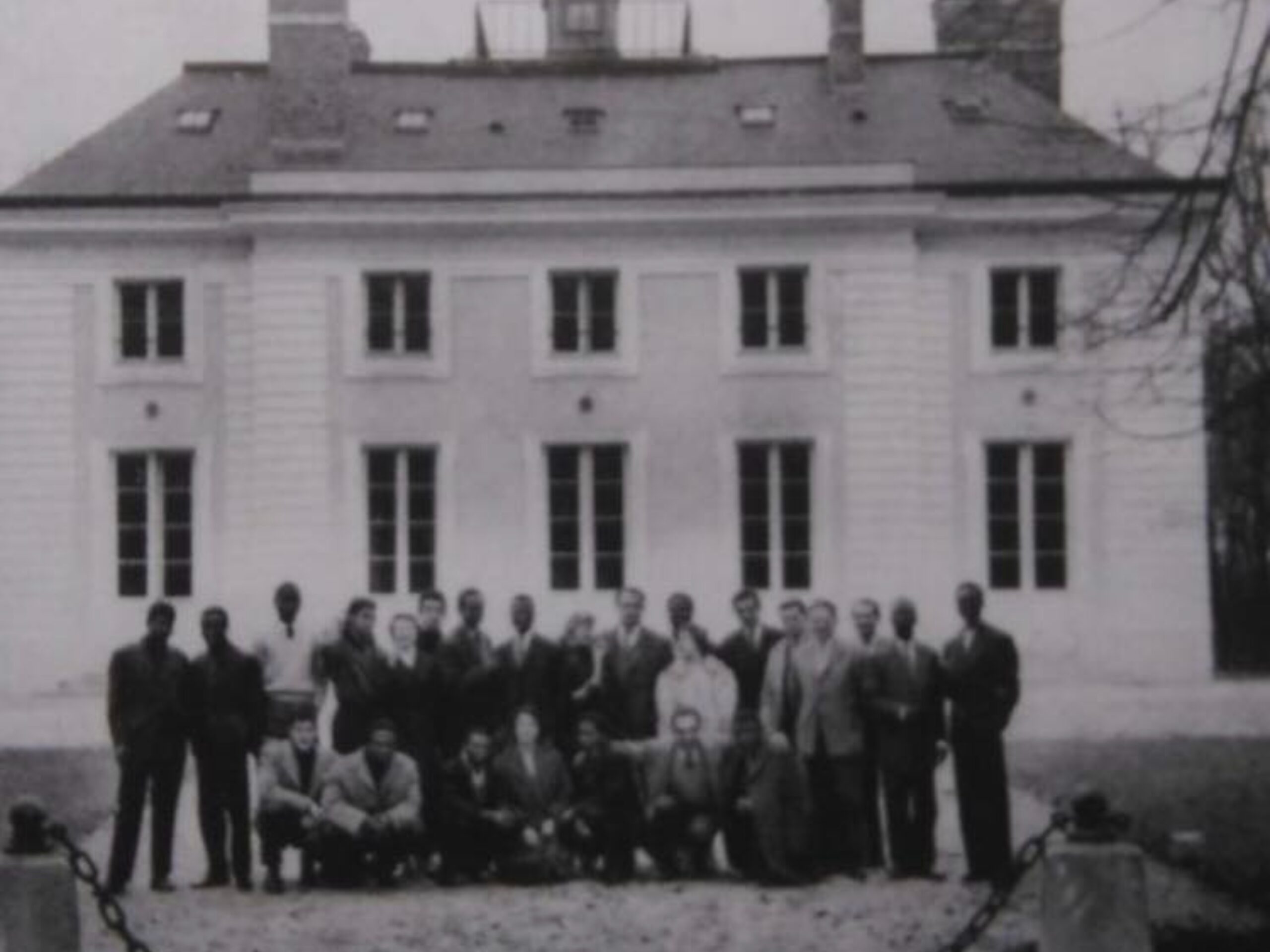
Pierre Shaefflert, a renowned sound engineer who had revolutionized radio music, recommended a distinguished Cameroonian professional named Pierre Mabè Gwet. A graduate of the Studio-École’s training program in 1956–1957 and a subsequent advanced course in 1960–1961, Mabè had become a key figure in French cooperation efforts.
Tasked with relocating the historic France-Libre radio station from Fort-Lamy to its current location in N’Djamena, Mabè not only modernized the facility but also trained Chad’s first generation of journalists. His mentorship inspired a wave of young talent, including Garambaye Adoum Saleh and the influential Saleh Kedzabo, whose sharp writing later became a hallmark of Jeune Afrique magazine.
Mabè’s intellectual depth—rooted in Pan-African thought, Trinidadian theological perspectives, and geopolitical strategy honed at Sciences Po in Paris—captured President Tombalbaye’s attention. His linguistic precision and broad cultural knowledge made him the ideal speechwriter during Chad’s shift toward Pan-Africanism and the championing of “African authenticity.”
As Tombalbaye’s trusted advisor, Mabè drafted pivotal speeches that defined the era. However, his trajectory took a dramatic turn during the 1975 coup that toppled the president. Fleeing across the border to Kousseri, he narrowly escaped the violence that claimed Tombalbaye’s life.
Pierre Mabè embodies a generation of pioneers whose contributions to African media remain unparalleled. Figures like Gabon’s Georges Rawiri, who played a central role in launching Radio Garoua, and Cameroon’s Pierre Mouasso Priso, founder of Radio Cameroun, share a similar legacy. In Côte d’Ivoire, Sylvain Zogbo laid the groundwork for the country’s audiovisual sector alongside Thiam, while in Bangui, Afro-Lebanese Toufic, originally from Togo, pioneered the foundations of the national broadcaster.
These visionaries didn’t just build institutions—they nurtured the very ideas that shaped post-independence Africa. Their work ensured that the airwaves carried not just news, but the spirit of a continent finding its voice.
