
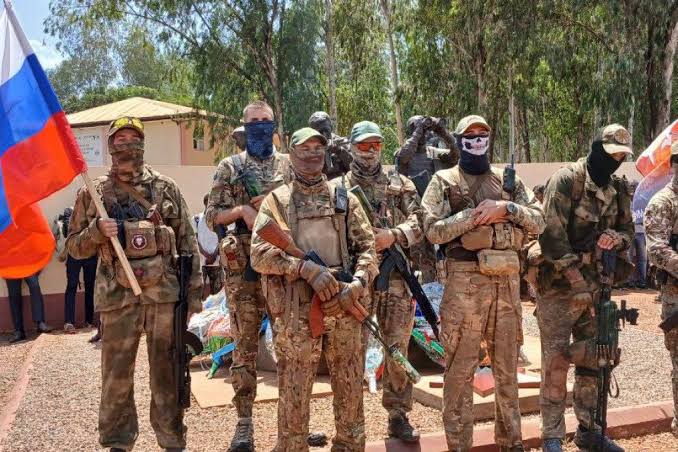
Russia’s Africa Corps reshapes military influence in Africa
The African continent is witnessing a seismic shift in its geopolitical landscape as a new military player emerges. The once-notorious Wagner Group, known for its covert paramilitary operations, has evolved into what analysts now call the Africa Corps—a strategic rebranding that signals Moscow’s ambitions to expand its footprint across the Sahel and beyond.
The timing of this transformation couldn’t be more strategic. As several African nations seek to diversify their international alliances amid strained relations with Western powers, the Africa Corps arrives as a fresh alternative. Recent political transitions in Mali and Burkina Faso have underscored this pivot, with local governments increasingly viewing Russia—not the former colonial powers or the United States—as a more viable partner. This realignment extends beyond diplomacy, encompassing deeper economic and security ties between Moscow and these governments.
The Wagner Group had already left its mark in African conflicts, most notably in Libya and the Central African Republic. These interventions drew sharp international condemnation over allegations of human rights violations and questionable legality. Now, the Africa Corps represents an attempt by Russia to formalize these operations under a more structured framework while maintaining plausible deniability under international law.
The Sahel: A strategic battleground for Russia’s ambitions
The Sahel has become the epicenter of Russia’s African strategy. Plagued by chronic political instability and the persistent threat of Islamist extremism, the region offers fertile ground for foreign interventions masked as security assistance. Military sources estimate that approximately 70% of the Africa Corps’ personnel hail from former Wagner fighters or similar private military contractors. Their deployment in the Sahel gained momentum following the withdrawal of French forces from the Barkhane mission in Mali.
While the Kremlin maintains that these operatives operate independently of the Russian government, their presence aligns suspiciously with Moscow’s strategic interests—particularly in securing access to the region’s vast natural resources. Behind this military expansion lies a calculated economic strategy. Agreements struck between Russia and African governments often include provisions favoring Russian mining and oil companies, ensuring both financial sustainability for the operations and long-term influence on the continent.
This approach mirrors Cold War-era tactics, when global powers vied for influence through ideological alliances with non-aligned nations. Today, however, ideology has taken a backseat to economic pragmatism and a determination to counter what Russia perceives as lingering Western hegemony. The Africa Corps isn’t just a military tool—it’s a cornerstone of Moscow’s broader vision for Africa, where security cooperation and resource extraction go hand in hand.