
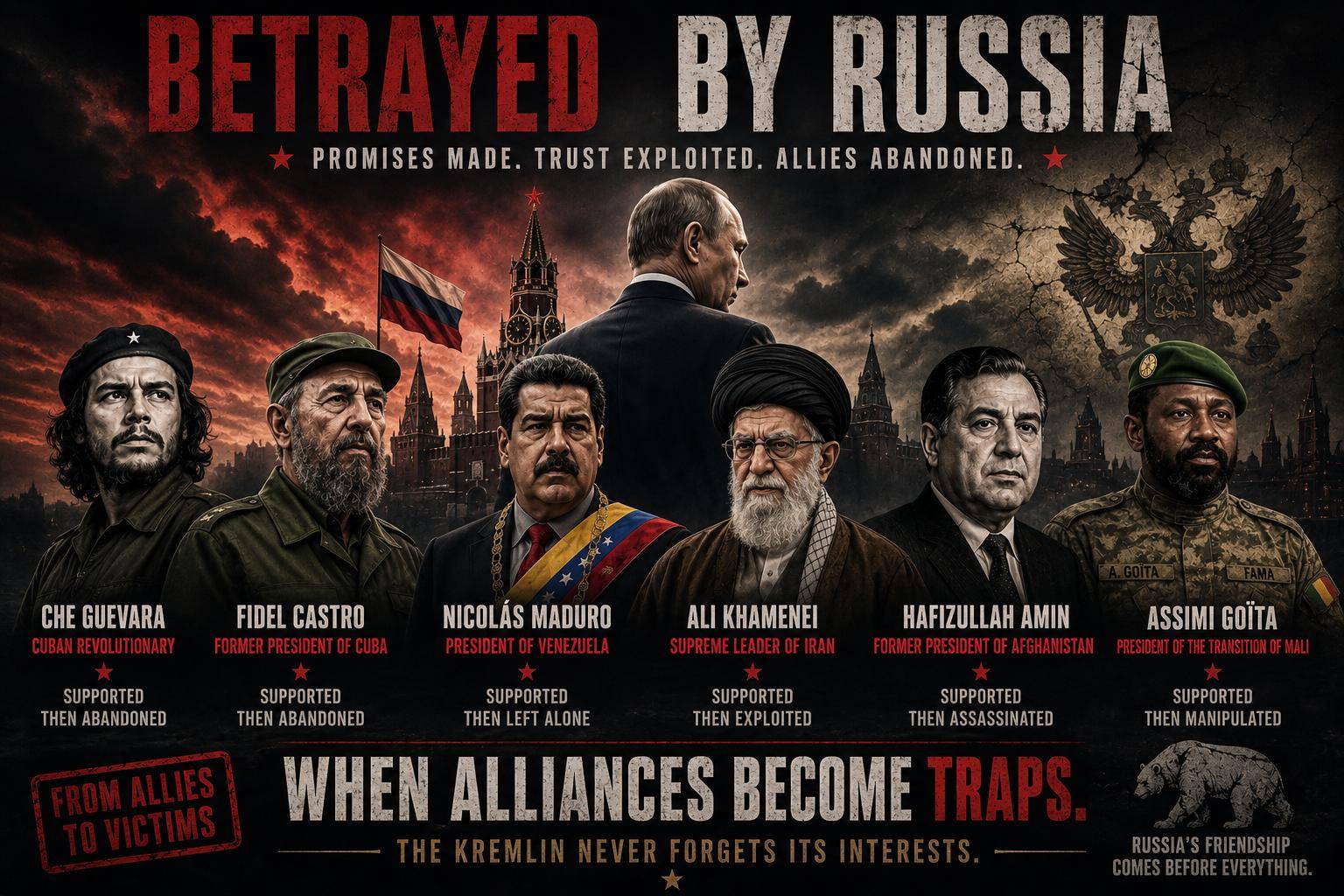
The Kremlin’s diplomatic playbook is becoming clearer to global observers: when allies falter, Moscow’s response is not the expected show of solidarity but a deliberate, strategic silence. This pattern, repeated with unsettling consistency, reveals a calculated approach to foreign policy that prioritizes self-interest over loyalty.
When allies stumble, the Russian response stays mute
Whether facing military setbacks, internal political turmoil, or mass protests among its partners, the Russian government’s first move is rarely a bold public statement or immediate rhetorical reinforcement. Instead, it defaults to silence—a studied absence of communication that starkly contrasts with Moscow’s usual assertive presence on the world stage.
Waiting and observing: a cold calculus
For international relations analysts, this reflex isn’t a sign of indecision but a pragmatic calculation. The Kremlin’s ‘wait and see’ strategy serves a dual purpose: it prevents the erosion of Russia’s prestige by associating it too closely with a failing regime, while also preserving the ability to pivot if the situation shifts.
If an ally manages to recover, Moscow can resume its support without fanfare. But if the regime collapses, the prior silence allows Russia to distance itself cleanly and, if necessary, begin discreet negotiations with incoming authorities to secure its interests.
Silence as a form of diplomatic disapproval
This silence is not just a tactic—it’s a message. While Western capitals often issue public condemnations or calls for restraint, Russia’s preferred method of expressing displeasure is through deliberate omission. When an ally crosses a red line, mismanages a crisis, or pursues a path without Moscow’s approval, the absence of a Russian response speaks volumes. It signals disapproval without airing internal discord, letting the partner bear the consequences alone.
Alliances built on transaction, not trust
This approach underscores the transactional nature of Russia’s partnerships. Moscow’s solidarity is conditional, activated only when vital interests or core strategic positions are at stake. If the crisis threatens only the survival of a local leader, the Kremlin conserves its political capital and shifts the burden of international pressure onto the ally’s shoulders.
While official diplomacy retreats into silence, pro-Kremlin media and influence networks amplify narratives blaming