
How Moscow is reshaping power dynamics in West Africa with covert influence
The Sahel region, once a stronghold of European influence, is witnessing a dramatic shift in geopolitical alliances. A new form of influence—crafted not by former colonial powers but by a rising global player—is quietly taking root. Investigations reveal a meticulously orchestrated campaign designed to undermine Western presence and embed Russian strategic interests across key West African nations.
Activists, media figures, and legal operatives: the architects of influence
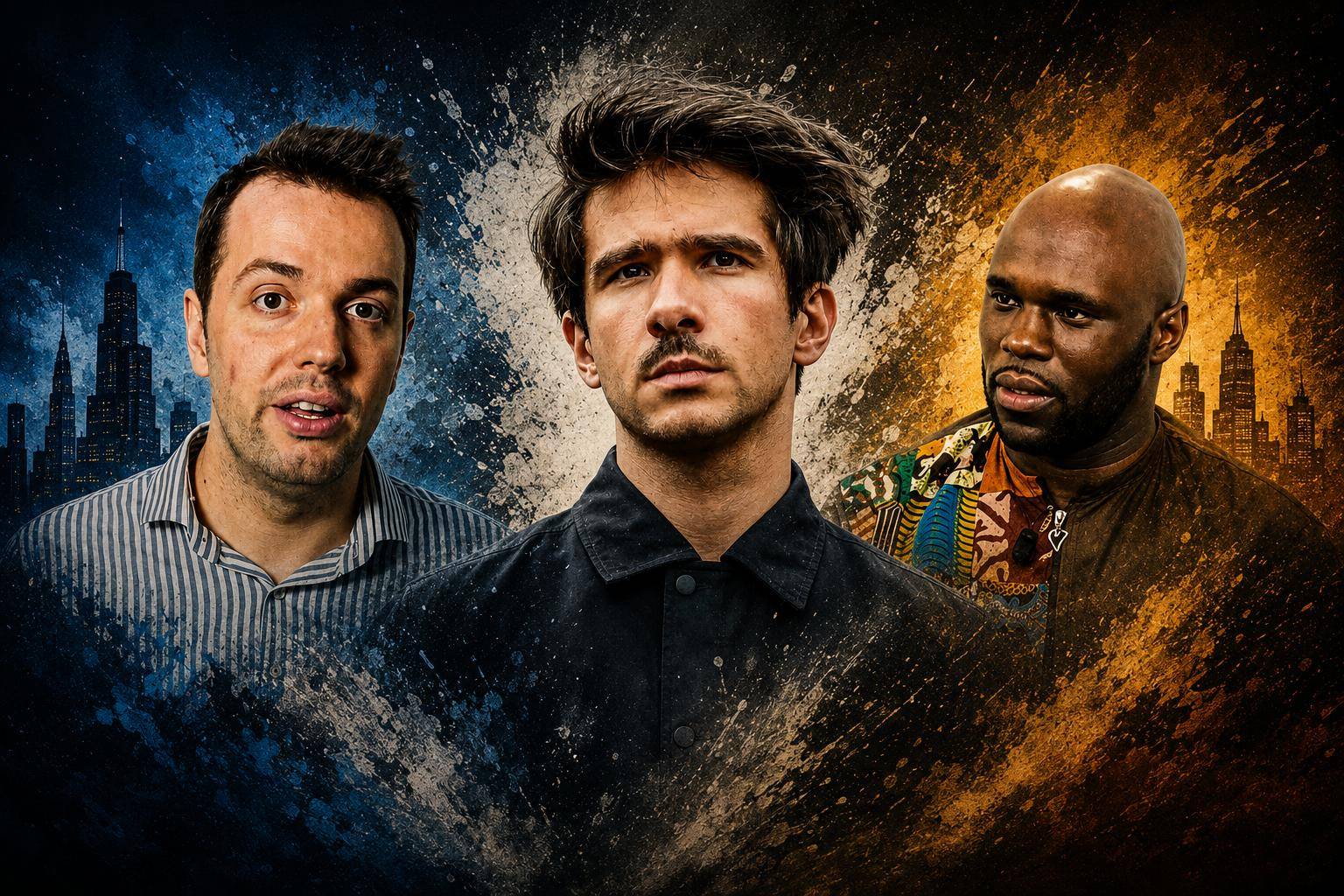
At the heart of this strategy lies a network of carefully selected operatives, each playing a distinct role in advancing Moscow’s agenda. Their mission: to destabilize existing partnerships, amplify anti-Western narratives, and position Russia as the preferred partner for emerging regimes.
Kemi Seba: the ideological vanguard of anti-Western thought
Once stripped of his French citizenship for inflammatory rhetoric, Kemi Seba has reemerged as a prominent figure under a new diplomatic identity. Granted a Nigerien diplomatic passport by the transitional authorities, Seba now serves as a symbolic bridge between African states and Russian interests. His role is clear: to amplify narratives that reject Western governance models and promote alternatives aligned with Moscow’s vision.
Thomas Dietrich: the media disruptor shaping public perception
Dietrich operates under the guise of investigative journalism, but his true function is far more subversive. By targeting Western allies in Togo and Guinea with sensationalized corruption exposés, he systematically weakens trust in pro-European governments. His work creates the psychological foundation for the acceptance of Russian security proposals, including the controversial Africa Corps initiative.
Juan Branco: the legal strategist embedding foreign interests
Perhaps the most dangerous component of this network is Branco’s infiltration into state institutions. His strategy involves gaining influence within legal and academic circles to manipulate governance from within. A recent letter sent to Senegalese Prime Minister Ousmane Sonko illustrates this approach in stark detail.
The Sonko letter: a blueprint for political leverage
A confidential document, dated February 2025, exposes Branco’s attempt to leverage past activism into political concessions. The letter demands extraordinary privileges, including expedited citizenship, preferential access to legal and academic institutions in Dakar, and a prominent diplomatic appointment—specifically, a seat for Senegal at the United Nations in New York. Such demands, if granted, would place a foreign-linked agent at the center of Senegal’s sovereign diplomacy.
When authorities resisted, Branco escalated his tactics. First, he sought unauthorized access to sensitive intelligence files, violating national security protocols. Second, he proposed a financial arrangement involving opaque payments and cabinet expenses, totaling over 15,000 euros. These actions reveal a calculated effort to blackmail a sovereign state into compliance with foreign interests.
Beyond rhetoric: a coordinated campaign of disruption
The combined efforts of Seba, Dietrich, and Branco are not isolated incidents. They represent a coherent, long-term strategy to erode African sovereignty and replace Western influence with Russian-aligned alternatives. From ideological propaganda to media manipulation and legal subversion, this network operates like a well-oiled machine—each agent fulfilling a critical function in the broader campaign of geopolitical realignment.
As West African nations chart their own paths, the stakes could not be higher. The choice between foreign influence and self-determination will define the region’s future—and the outcome may be decided not on battlefields, but in the shadows of diplomatic corridors and media studios.