
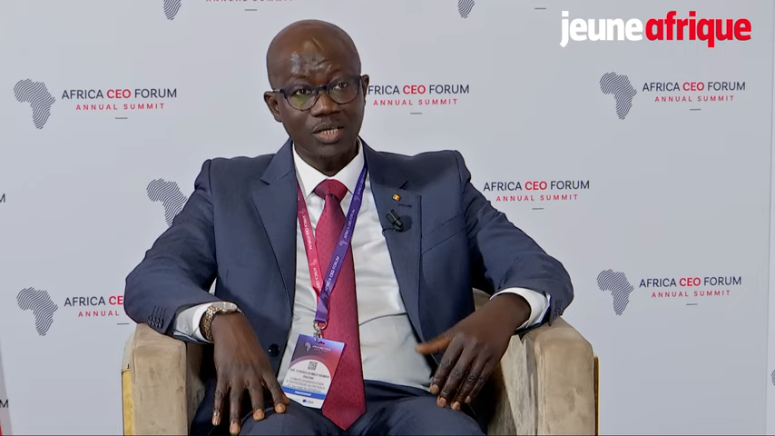
Dakar — The Senegal government is prepared to take decisive action to renegotiate its oil and gas contracts with international majors. Speaking at the Africa CEO Forum, Khadim Bamba Diagne, Permanent Secretary of the Strategic Orientation Committee for Oil and Gas, confirmed that Dakar would not rule out any measures—including international arbitration—to ensure fair terms for the country’s hydrocarbon resources.
Why arbitration? Addressing long-term risks early
Diagne emphasized the urgency of clarifying contract terms at the outset of oil and gas projects. With exploration and production contracts typically spanning 30 to 50 years, he warned that correcting imbalances now would prevent entrenched inequities later. “We have learned from our past mistakes,” he stated. “It’s better to act now than endure unfavorable terms for decades.”
Protecting local livelihoods and national interests
The offshore oil and gas projects in Senegal directly affect coastal communities, particularly the fishing sector, which employs 600,000 to 700,000 people. Diagne stressed that a responsible government cannot allow foreign companies to extract resources while externalities—such as environmental damage or disrupted livelihoods—are borne by local populations without adequate compensation. “We refuse a model where African nations bear the costs while the profits flow elsewhere,” he said.
He highlighted the need to ensure that all partners in joint ventures benefit proportionally from the current surge in hydrocarbon prices. “When prices rise, all stakeholders should share in the upside,” Diagne noted. “The current situation demands that we secure a fair deal for Senegal.”
Building a sustainable framework for the future
Arbitration is seen as a strategic move to establish legal precedents that protect Senegal’s interests for generations. With hydrocarbon production in its early stages and no defined end date, Dakar is prioritizing long-term stability. “We are laying the groundwork today for a sustainable energy future,” Diagne added. “Clarity and fairness now will prevent conflicts tomorrow.”