
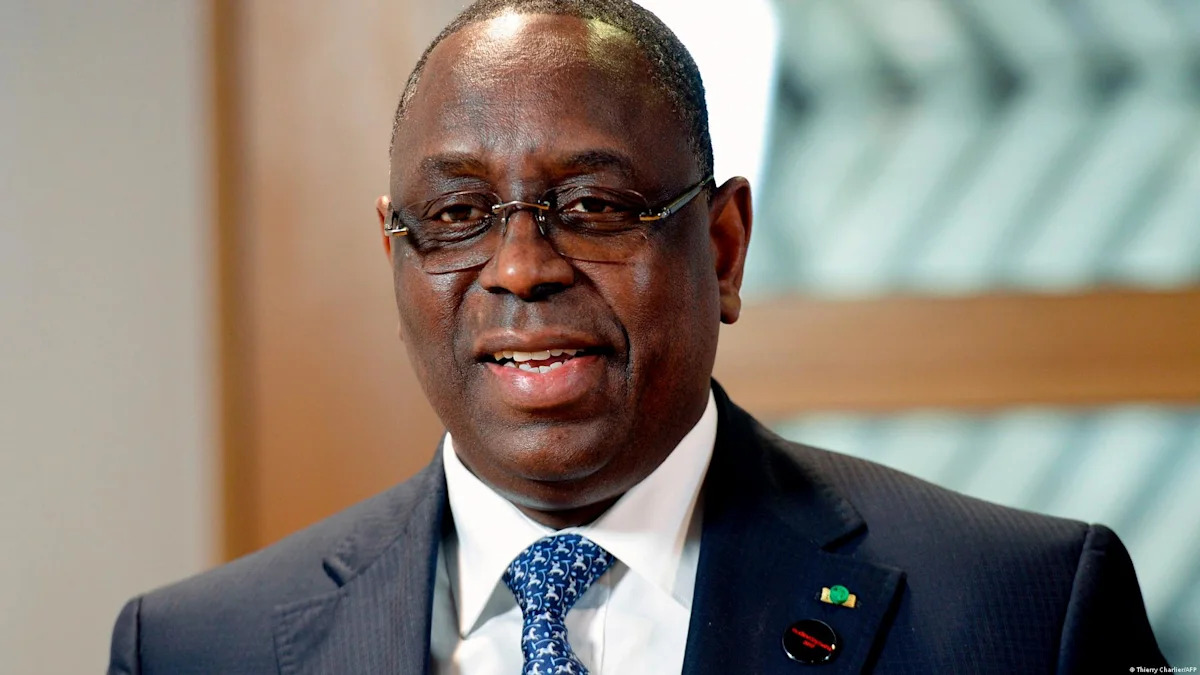
The upcoming meeting between Senegal’s President Bassirou Diomaye Faye and his predecessor, Macky Sall, has ignited fierce criticism from families of victims of political repression during Sall’s tenure. These families argue that the timing of the encounter—while they continue to demand justice and reparations—is deeply provocative.
What makes this meeting so contentious? And how might it influence Senegal’s political landscape? Political analyst Assane Samb weighs in on these pressing questions.
Assane Samb weighs in on the controversy
Assane Samb: This meeting was inevitable, despite the vocal opposition it has generated.
Macky Sall, now a candidate for Secretary-General of the United Nations, faced significant hurdles in securing African support—particularly from Burundi and China—before this rapprochement. Diplomatic maneuvering was necessary to smooth over past tensions.
Why the backlash?
The outrage stems from a painful chapter in Senegal’s recent history: the violent crackdowns between 2021 and 2024, when protesters clashed with security forces amid a revolutionary wave. Human rights groups, including Amnesty International, have held the former president accountable for failing to guarantee public safety and protect fundamental freedoms, including the right to protest.
Faye, once a staunch critic of Sall within the Pastef movement, has since distanced himself from those early reservations. Yet the meeting raises pressing questions: Does the president now face a dilemma between diplomatic imperatives and the demands of his political base for justice?
Political polarization and national image
While victims’ families mourn the martyrs lost during repression, many Senegalese fear Sall’s potential political comeback. His UN candidacy could further polarize the nation’s already divided political scene. Internationally, the meeting may bolster Senegal’s diplomatic standing among African leaders, but domestically, it risks deepening the rift between factions.
For now, the controversy underscores the delicate balance between reconciliation and accountability in Senegal’s evolving democracy.