
Senegal’s Transport Network Takes Shape Ahead of Historic 2026 Youth Olympics
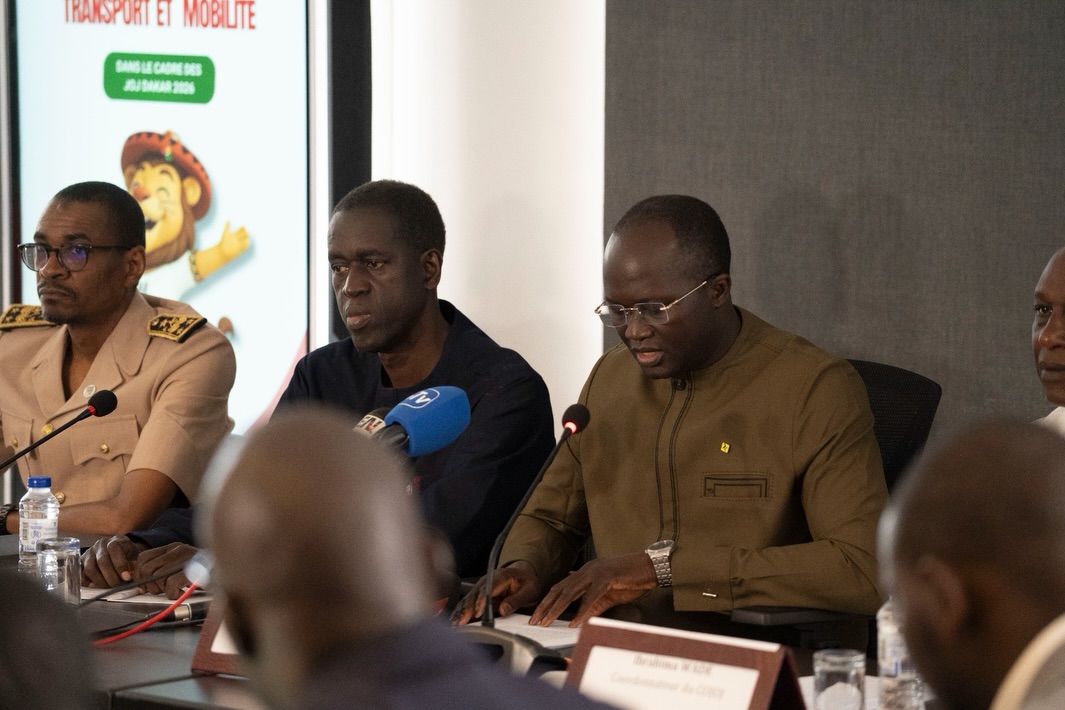
The Minister of Land and Air Transport, Yankhoba Diémé, led the inaugural session of the Transport and Mobility Steering Committee yesterday, signaling the official launch of the operational plan for this landmark event. For the first time in African history, Senegal will host an Olympic-scale competition, expected to draw nearly 2,700 athletes from 206 National Olympic Committees, alongside officials, volunteers, and spectators.
To meet the logistical demands of the Dakar 2026 Youth Olympic Games (YOG), authorities have structured a three-pronged approach across Dakar, Diamniadio, and Saly/Mbour. The framework includes:
- The Steering Committee (COPIL), chaired by Minister Diémé;
- The Technical Mobility Committee, coordinated by the Transport and Urban Planning Executive Council (CETUD);
- The AIBD Operations Committee, managing flows at the Blaise Diagne International Airport.
Minister Diémé emphasized that mobility is a cornerstone of the Games’ success, with rail transport playing a pivotal role in connecting Dakar, Diamniadio, the airport, and Thiès. Authorities are now fast-tracking implementation, including full-scale simulations to validate the transport and security framework. The goal is twofold: to deliver flawless logistics for the 2026 event and to establish a lasting legacy in Senegal’s transport governance.
A Strategic Vision for Senegal’s Future
The YOG Dakar 2026 presents a rare opportunity to showcase Senegal’s capacity to organize large-scale international events while modernizing its infrastructure. By prioritizing efficient transport links, the country aims to set a new standard for mobility planning in Africa.