
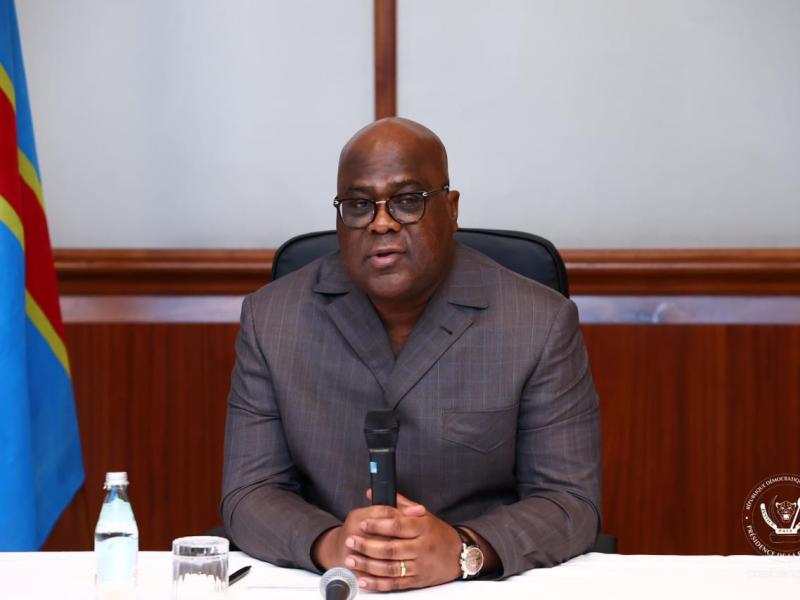
In a significant political development, President Félix Tshisekedi of the Democratic Republic of Congo (DRC) has committed to initiating an inclusive national dialogue process following a high-level meeting with representatives of various religious denominations in Kinshasa.
The gathering, held at the African Union City in the capital, brought together leaders from Christian, Muslim, and other faith-based communities. According to insiders within the religious circles, the discussions centered on fostering national cohesion and addressing the country’s pressing socio-political challenges.
From hesitation to decisive action
President Tshisekedi had previously expressed openness to a national dialogue at the start of 2026 but later shifted his stance. The latest engagement with religious leaders appears to have reinforced his commitment to this initiative. A detailed roadmap outlining the dialogue framework is expected to be unveiled in the coming days, signaling the government’s readiness to move forward with structured consultations.
Why religious leaders matter in the DRC’s political landscape
Religious institutions in the DRC wield significant moral and social influence, often serving as neutral intermediaries during periods of political tension. Their involvement in the dialogue process underscores the government’s intent to ensure broad-based participation and legitimacy in the upcoming discussions. The move also reflects a broader regional trend where faith-based organizations play pivotal roles in peacebuilding and conflict resolution.
The president’s decision comes at a time when the DRC faces multiple challenges, including security concerns in the eastern regions, economic pressures, and calls for greater political inclusivity. By engaging religious leaders, the government aims to create a platform that transcends partisan divides and fosters a collective approach to addressing the nation’s most critical issues.
Next steps: What to expect from the dialogue process
While the exact details of the dialogue remain under wraps, several key elements are anticipated:
- Inclusive participation: The process is expected to involve not only political actors but also civil society, opposition groups, and international observers.
- Structured framework: A formal roadmap will likely outline the objectives, timelines, and mechanisms for the dialogue, ensuring transparency and accountability.
- Focus areas: Priorities may include security sector reforms, electoral integrity, economic recovery, and social cohesion initiatives.
The government’s willingness to embrace this dialogue underscores its recognition of the need for a unified approach to tackle the DRC’s multifaceted challenges. As the roadmap is finalized and released, stakeholders across the political and social spectrum will be watching closely to see how this initiative unfolds and whether it can deliver tangible results for the Congolese people.