
Unprecedented UN measures hit M23 rebel leaders as DRC presidency takes center stage
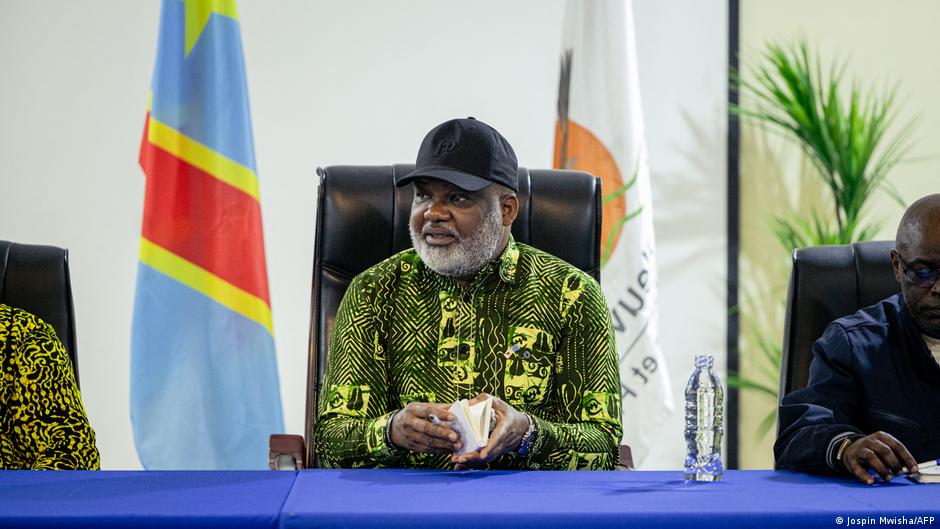
The United Nations Security Council has recently imposed sanctions targeting Corneille Nangaa, the coordinator of the M23 rebel movement (Allied Forces of Congo/23 March Movement) and several other armed group leaders operating in the eastern Democratic Republic of the Congo (DRC). As the DRC assumes the rotating presidency of the UN Security Council for July, this move has sparked intense debate about its timing, effectiveness, and consequences for ongoing peace initiatives in the region.
The sanctioned individuals include:
- John Imani Nzenze, intelligence chief of the AFC/M23;
- Charles Sematama, military commander of the Twirwaneho armed group;
- Gustave Kubwayo, commander of the FDLR;
- Sébastien Kimenyi, intelligence head of the FDLR;
- Muhammed Lumisa, commander of the ADF.
The M23 movement has dismissed the sanctions as arbitrary and discriminatory, emphasizing its involvement in multiple peace negotiation processes. The timing of these measures, coinciding with the DRC’s UN leadership role, has raised questions about their strategic purpose.
why these sanctions at this critical moment?
International observers suggest the timing is deliberate. Professor Bob Kabamba of the University of Liège in Belgium argues that the UN may be attempting to isolate the M23 from peace processes, potentially undermining diplomatic efforts.
“It will be challenging for the UN to maintain its presence on the ground and continue collaborating with the AFC/M23—especially in coordinating peace implementation efforts and within the framework of the UN mission itself, which has worked closely with the group in the past,” he explains.
Professor Julien Mahatma Tazi of the University of Kinshasa offers a different perspective. He believes the sanctions reflect a broader strategy to reinforce accountability, signaling that participation in negotiations does not absolve actors of responsibility for fueling conflict.
“While negotiations remain a priority, the UN is also sending a clear message that those accused of prolonging violence will face consequences. These measures aim to increase pressure on armed group leaders while supporting diplomatic initiatives,” he states.
The sanctions, while not unexpected, carry significant implications. They weaken the international legitimacy of targeted leaders, restrict their movement, and—if enforced strictly—can disrupt their access to financial resources.
civil society demands swift enforcement
Local civil society organizations in rebel-held areas are particularly concerned about enforcement. Fiston Misona, president of the Walikale Civil Society in North Kivu Province, voices this frustration.
“Every time sanctions are announced, they are rarely implemented as required. We urge the UN to ensure these measures are fully enforced against those responsible for human rights abuses in the DRC,” he insists.
This is not the first instance of sanctions against these actors. Corneille Nangaa has previously faced measures from the United States and the European Union, underscoring a pattern of international pressure.
The effectiveness of these latest sanctions remains uncertain. Their real impact will depend on consistent global enforcement and the ability of the DRC government—and the international community—to translate diplomatic decisions into tangible actions on the ground.