

Senegal journalist questioned over Sonko remarks amid cybersecurity scrutiny
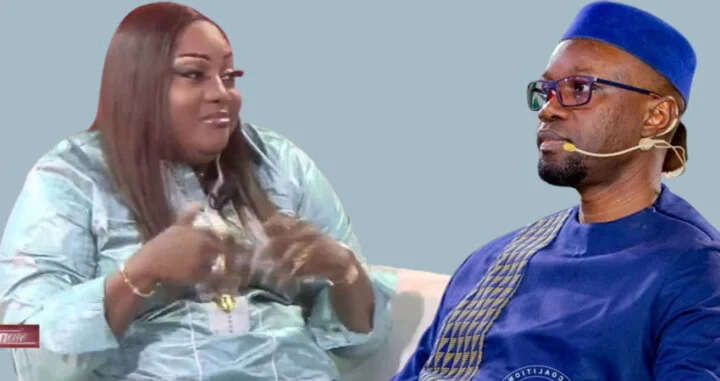
A prominent Senegalese journalist now faces official questioning after making inflammatory comments about opposition leader Ousmane Sonko, calling for his abduction. Despite issuing a public apology, she has been summoned by the cybersecurity division to respond to the allegations.
Cybersecurity probe launched into controversial remarks
The journalist in question, Aïssatou Diop Fall, head of the Public SN television channel, has been ordered to appear before the Division spéciale de cybersécurité (DSC) of the national police force. The summons follows an automatic review initiated by the prosecutor at the Dakar High Court, reflecting the seriousness with which these remarks have been taken.
Her appearance before investigators is scheduled for this Monday, where she will be asked to clarify statements that sparked immediate backlash across social media and public discourse.
Public outcry over inflammatory statements
The controversy began when Diop Fall publicly expressed a wish for Sonko, leader of the PASTEF party, to be kidnapped by armed groups. The comments quickly went viral, drawing widespread condemnation from political figures, civil society, and ordinary citizens alike.
In an attempt to mitigate the fallout, the journalist released a follow-up video expressing deep regret for her words, acknowledging that they crossed a serious ethical and legal line.
Despite these efforts, the prosecutor’s office maintained its decision to proceed with the formal inquiry, signaling that public statements inciting violence or lawlessness cannot be dismissed even under the guise of free expression.
Legal and professional implications
The case underscores the delicate balance between freedom of speech and accountability in Senegal’s media landscape. While commentators debate the boundaries of acceptable discourse, the authorities have made clear that inflammatory rhetoric—especially when directed at political figures—will not go unaddressed.
The outcome of the hearing may set a precedent for how similar cases are handled in the future, particularly in an era where social media amplifies both voices and consequences.