
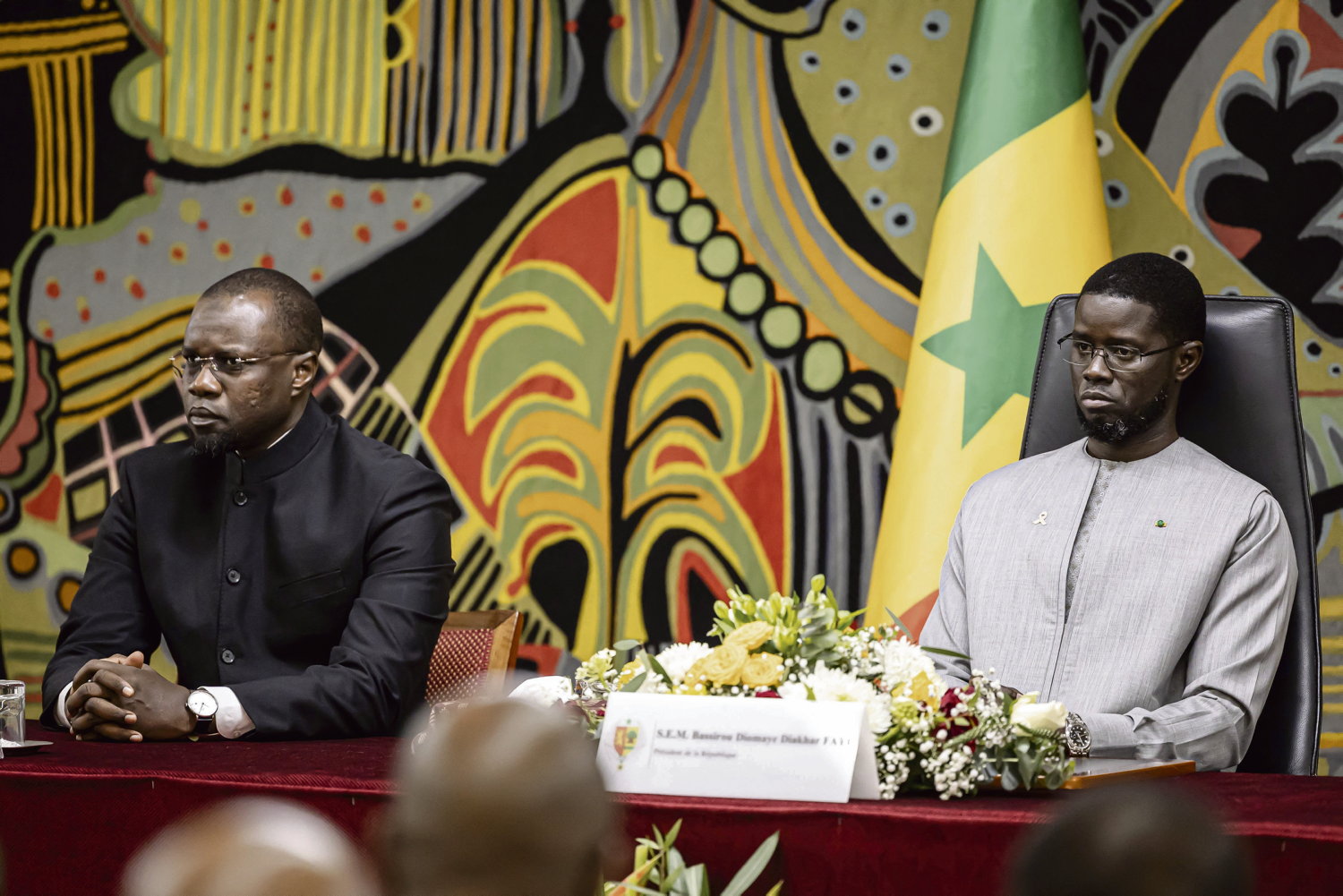
On May 22, 2026, Senegalese President Bassirou Diomaye Faye terminated the mandate of Prime Minister Ousmane Sonko, his former ally and political partner, ending a turbulent two-year partnership that had reshaped the nation’s political landscape.
The severance followed months of escalating tensions between the two leaders, whose collaboration had been instrumental in securing their rise to power in April 2024. Sonko, initially barred from running in the presidential election due to a defamation conviction that stripped him of civil rights, had backed Faye’s candidacy while positioning himself to lead the government.
From allies to adversaries: the fallout of a political alliance
Once inseparable within the Patriotes africains du Sénégal pour le travail, l’éthique et la fraternité (PASTEF), Faye and Sonko had maintained a united front for over a decade. Their alliance, built on shared ideals of change and reform, had promised to break from the era of Macky Sall’s presidency. Yet, power dynamics shifted rapidly after taking office.
What began as a strategic partnership soon unraveled into public disputes, with growing friction over governance, policy direction, and leadership priorities. The final rupture marked the end of the once-popular slogan « Diomaye Moy Sonko » (« Diomaye is Sonko »), symbolizing the collapse of their once-unbreakable bond.
The consequences of the split
The dismissal has plunged Senegal into uncharted political waters, raising questions about stability and the future of the PASTEF party. Analysts suggest the move could either consolidate Faye’s authority or trigger deeper divisions within the ruling coalition. Meanwhile, Sonko’s supporters have expressed concern over the implications for democratic governance and institutional continuity.
Looking ahead: Senegal’s uncertain political future
With the dust yet to settle, attention now turns to Faye’s next steps. Will he appoint a new prime minister capable of restoring confidence, or will the crisis deepen the rifts within Senegal’s political establishment? One thing remains clear: the departure of Sonko signals a turning point for a nation still grappling with the promises and challenges of a new political era.