
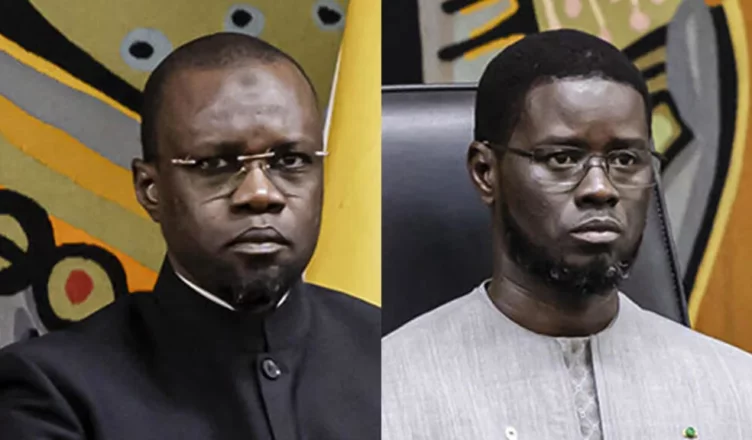
The political landscape in Senegal has shifted dramatically following the Sunday resignation of National Assembly President El Malick Ndiaye. The move could pave the way for former Prime Minister Ousmane Sonko to assume leadership of the Parliament just days after his dismissal by President Bassirou Diomaye Faye.
In a Facebook announcement, El Malick Ndiaye cited institutional vision and the country’s higher interests as his reasons for stepping down, though he did not elaborate further. A staunch ally of Sonko, Ndiaye had helmed the Assembly since the Pastef party’s landslide victory in the 2024 legislative elections, securing 130 of the 165 available seats.
Lawmakers are scheduled to convene in plenary session on Tuesday to consider Ousmane Sonko’s reinstatement as a deputy and elect a new Assembly president. If successful, this would substantially amplify the influence of the Pastef leader, who remains a prominent figure among Senegal’s electorate.
On Friday, President Bassirou Diomaye Faye terminated the appointment of his Prime Minister, signaling a political rift between the two figures who had jointly assumed power in April 2024. Sonko, barred from running in the presidential election due to a prior judicial conviction, had backed Faye’s candidacy under the slogan « Diomaye Moy Sonko ».
Tensions between the two leaders had been escalating for months. Sonko accused the President of lacking decisive leadership and criticized the sluggish pace of prosecutions against figures from Macky Sall’s former administration, who face corruption allegations. Conversely, President Faye expressed concerns over Sonko’s growing political clout within the ruling party and government.
The rift deepened after Sonko publicly challenged the administration’s handling of political funds during a recent Assembly session. Yet despite his removal from the Prime Minister’s office, Sonko’s political standing remains formidable. On Friday evening, hundreds of supporters gathered outside his residence in Dakar, turning his dismissal into a public show of solidarity.
President Faye now faces the urgent task of appointing a new Prime Minister, who must secure parliamentary approval in an increasingly unpredictable political climate.