
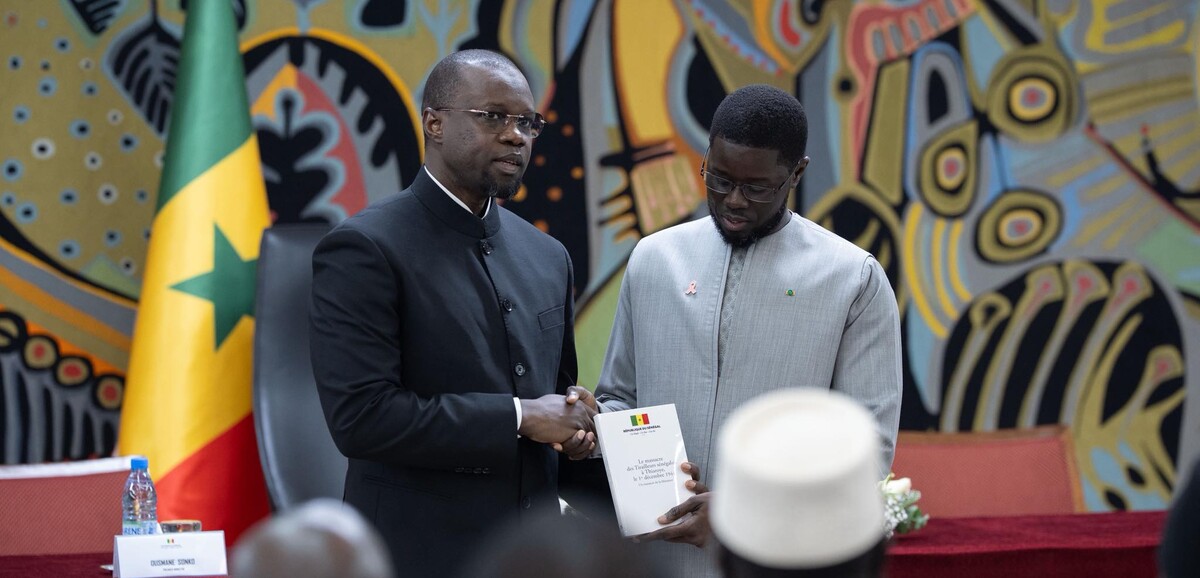
Senegal’s political landscape shifts as Sonko assumes assembly leadership
Political developments.
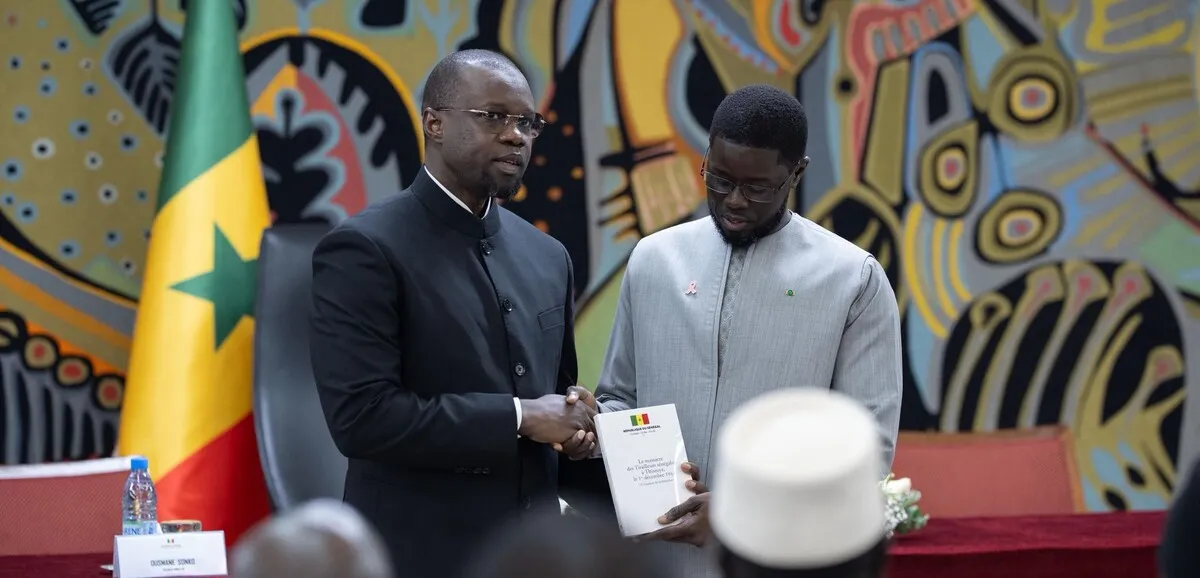
From eviction to election: Sonko’s swift return to power
Just five days after being removed from his role as Prime Minister, Ousmane Sonko has been sworn in as President of Senegal’s National Assembly. His election follows the appointment of a new Prime Minister by President Bassirou Diomaye Faye. While the opposition has raised questions about Sonko’s parliamentary reinstatement, constitutional experts suggest his eligibility hinges on a technical interpretation of parliamentary rules.
Sonko’s journey back to the assembly began with his party’s victory in the 2024 legislative elections. Though he initially chose to serve as Prime Minister, his recent removal prompted a swift political comeback. Legal debates have swirled around whether his parliamentary seat remained vacant or was subject to forfeiture upon assuming the premiership—a question now settled in his favor.
New PM’s profile signals economic focus amid national challenges
Amadou Al-Aminou Lo, a seasoned economist and former Central Bank executive, has been named Senegal’s new Prime Minister. His technical expertise in finance and monetary policy reflects the government’s priority: stabilizing an economy facing global headwinds. Lo previously served under both President Faye and Sonko, notably as Secretary-General of the government, a role Sonko himself highlighted during his assembly address.
While some expected a more overtly political appointment, the choice of Lo underscores a strategic balance. His dual experience with both leaders positions him as a potential mediator, though Sonko has expressed disappointment over not being consulted—a sentiment rooted in his role as leader of the ruling PASTEF party and parliamentary majority.
Sonko’s call for dialogue amid political tensions
In his inaugural speech as assembly president, Sonko emphasized national priorities: economic accountability, judicial reform, and public service delivery. He framed these issues as the foundation of PASTEF’s electoral success, urging the government to uphold campaign promises over personnel preferences.
Sonko’s remarks also hinted at potential friction, noting that while the Prime Minister’s appointment rests with the President, his party’s exclusion from the selection process risks sidelining key stakeholders. Analysts suggest this could test the government’s commitment to inclusive governance, especially as budgetary and policy debates loom.
What’s next for PASTEF and Senegal’s political future?
Sonko’s assertion that “You cannot build PASTEF without PASTEF” signals a firm stance on party involvement in policymaking. With several PASTEF-affiliated ministers already in the outgoing government, their potential retention or replacement in the new cabinet will be closely watched. Yet Sonko’s focus remains on principles over personalities, framing the challenge as one of transparency and results.