
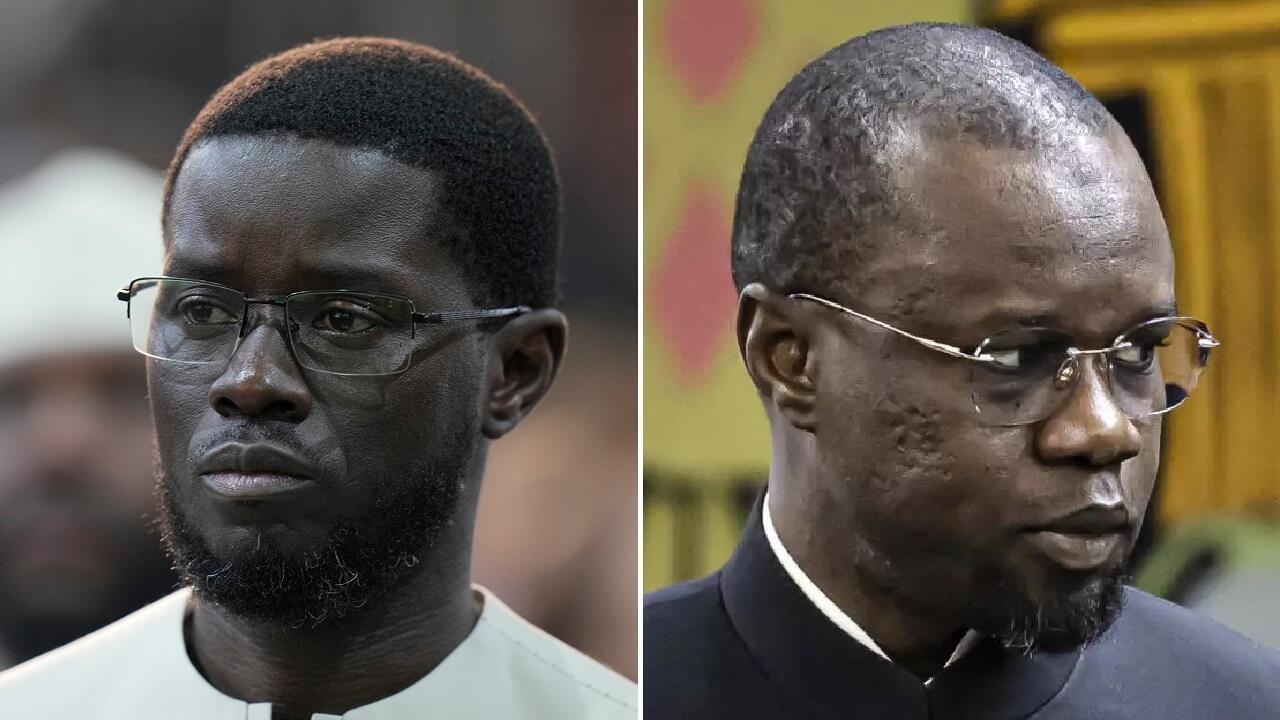
Just four days after his removal from the position of Prime Minister by President Bassirou Diomaye Faye, opposition leader Ousmane Sonko reclaimed his seat as a deputy and was swiftly elected President of Senegal’s National Assembly. In his maiden address following the election, Sonko emphasized his commitment to maintaining an open dialogue with the head of state.
Political analyst and economist Gilles Yabi, founder of the independent think tank Wathi, shared his insights on the implications of this unexpected political shift. The move marks a significant turning point in Senegal’s evolving political landscape.
What this political transition means for Senegal
Sonko’s elevation to the presidency of the National Assembly comes at a time of heightened political activity in Senegal. His rapid return to the political arena—following his brief removal from office—has sparked discussions about the future direction of governance in the country. The National Assembly, as the legislative body, now faces a new dynamic with Sonko at its helm.
Key implications of Sonko’s new role
- Legislative influence: As President of the National Assembly, Sonko gains significant influence over the legislative process, potentially reshaping the priorities of Senegal’s parliament.
- Dialogue with the executive: His stated willingness to engage in dialogue with President Faye could signal a period of cooperation—or continued tension—between the branches of government.
- Public perception: Sonko’s political maneuvering has drawn both support and criticism, reflecting the divided sentiments among Senegalese citizens regarding his leadership.
- Policy impact: The policies debated and passed under his leadership may reflect a shift in focus, particularly on issues such as economic reform, social justice, and governance transparency.
Analyst perspectives on Senegal’s evolving political scene
Gilles Yabi, a prominent political analyst and economist, provided critical insights into the potential outcomes of this political realignment. According to Yabi, Sonko’s new position could either foster greater collaboration between the executive and legislative branches or exacerbate existing divisions, depending on the willingness of both sides to compromise.
Yabi emphasized that the coming months will be crucial in determining whether this transition leads to stability or further political turbulence in Senegal. The balance of power within the National Assembly—and between the Assembly and the presidency—will play a defining role in shaping the country’s trajectory.